-
Is NIL Ruining College Sports?
With college sports on a rise paying athletes only right, but at what point is NIL becoming to much? Is NIL taking away from student-athletes and making them just athletes.
NIL, which stands for “name, image, and likeness,” becoming official July 1, 2021 allowing student-athletes to make a profit from their NIL. If the athlete would like, they can hire an agent or business advisors but isn’t required. The polices and certain colleges require to know all details of deals or any possible deals with the school and have to be approved before any signing is done. NIL deals vary from all types of things. Popular ones being high end clothing and shoes or school related materials.
NIL has taken over the NCAA these past 4 years. According to sports illustrated in 2025 Arch Manning, University of Texas quarterback will be making $6.5 million. Manning is only a sophomore, during his freshman year he was the backup quarter back for Quinn Ewers, who declared to the NFL draft and was drafted by the Miami Dolphins. Manning only appeared in two games his freshman season making $3.2 million and not even starting a game. Cooper Flagg, the number one projected pick in the 2025 NBA Draft made at least $28 million just one season alone at Duke Fox Sports states. The $28 million is based on Flagg’s deal with brands like New Balance and Fanatics. Flagg had more NIL deals with Gatorade, AT&T, Cort Furniture and The NIL Store with those prices being unknown leaving us knowing he made at least $28 million. If picked as the first overall pick Flagg’s rookie contract will be on an average scale around $62.7 million. Another stand out freshman and national champion Jeremiah Smith makes around $4 million Sports illustrated says. Smith has partnerships with, Nintendo, Epic Ames, Redbull, American Eagle Outfitters and Lululemon. He’s ranked number 3 among college players in NIL value.
Granted these star athletes bring in huge attention and money to the school but here when it starts to get out of hand. This is when the transfer portal gets involved. The transfer portal is an online system where college athletes can declare their intention to transfer to another school publicly. It allows coaches from other schools to view information about athletes and reach out to them. As soon as a player enters the portal all their academic records become visible and the recruiting process starts all over again. A more recent example of transfer portal situations is Nico Iamaleava, Tennessee’s former quarterback, he left the university to seek a higher NIL after Tennessee refused. According to multiple reports Iamaleava was trying to renegotiate his $2 million a year contract with the school in hopes for a new $4 million a year contract. After the school declined this negotiation Iamaleava refused to show up to practices and missed the spring game in hopes to change their minds. Not long after, Iamaleava posted on Instagram his new commitment post to UCLA, which, UCLA offer was not remotely close to the $4 million he wanted. The Tennessee coach and athletic director were positive they made the right idea. Tennessee is a large football school being an SEC team, the Vols went 6-2 this past season and making the College Football Playoffs but fell short to the Ohio State. Meanwhile UCLA went 3-6 and hasn’t made the playoffs since 2014. It shows Iamaleava was more focused on his NIL income compared to playing for a team that’s a better overall team and has produced more professional athletes. It’s sad to see someone with so much talent and potential waste it somewhere just to make more money. This exist shocked his teammates. “He left his brothers behind,” Boo Carter says, a receiver and defensive back at Tennessee said.
This to pay and play system system does question the schools loyalty, the players loyalty, but the fans too.
A sports page made a poll for college fans to vote how they felt about NIL and 53 percent voted its ruining the sport while only seven precent voted its a great thing for players. Looking at St. Johns basketball team one team leader R.J. Luis entered the NBA Draft, soon players flooded into the portal. The school lost eight of their nine rotation players. Along with McNeese State team manager entering the transfer portal and signing a $100 thousand NIL deal transferring to NC State.
What makes people enjoy college sports more is watching young athletes are not playing for money like the pros but the love of the game, unfortunately now it isn’t the same. The logo on players jerseys has now lost its meaning and is represented by the most followers and the biggest paychecks. NIL made these athletes believe playing for a brand is more important. The process of recruiting players has changed drastically since NIL, it used to be you would commit to the school with the culture, team chemistry, and coaches. Now to get recruits you try to bring them in to offer the most money. Schools with less funding are losing out on key players. College sports has turned into a business more than anything.
What Moore said is a perfect example of college sports were like before NIL was introduced, you committed to the school you dreamed of going to or grew up watching.
This year was the first year since 2008 all seeds in the Final Four were all the number one seed. The Final Four consisted of Florida, Duke, Houston and Auburn. Leaving the final matchup being both number one seeds it brings it more viewers knowing the game will be closer in score and competitive. When theres a lower seed and higher seed less people watch thinking the higher seed will more than likely win. People were upset knowing there was no “Cinderella stories” in this year’s tournament. Lots of people said it had something to do with NIL big time schools paying the best players to win them championships which happened to the Florida Gators this year. With just generating $1.5 million the week of the final four.
NIL is paying some of these players more than they would make in the pros if signed. Shedeur Sanders was worth $6.5 million yearly while drafted by the Cleveland Browns with the 144 pick Sanders signed a 4 year contract worth $4.6 million, a drastic drop from his NIL checks.
The question now is, is it even worth going pro for these big college athletes with insane NIL deals?
So quickly these players who become millionaires, are still students?
When this athletes pile up NIL checks how will they still reflect positive efforts on the academic side of school.
Paying athletes in college is important and something we need to keep because they bring so much revenue to schools by NIL has ruined the traditional college experience.
-
How banning cell phones in schools affected teachers
On July 9, 2024 Virginia Governor Glenn Youngkin proposed banning cell phones in Virginia public schools starting January 1 2025. The goal of “cell phone-free education” was to promote healthier and more focused learning conditions but allowing students to have access to them at lunch.
Janet Balestino has been teaching at Virginia schools for 15 years. Through out her teaching career she always had access to her cell phone, preferably on her desk. “Without having to worry about my kids as much anymore, I still would check my messages from any clients and check for other important messages,” she says.
“Staying off of phones is hard for students, it’s normalized to have them on you at all times. It’s hard for both teachers and students because if they can’t be on it neither can I.”
With the ban coming in place January 1st which means as soon as we got back from winter break no watches, headphones, earbuds and phones. She expressed how having such a huge change mid year is hard for students to get used to. She believes it would’ve been more efficient to start the ban the first day of school. The first week of the ban she said she’s never had to contact as many parents or write so many referrals. She says it causes tension between her and the students. She hates having to get on her students so much about something that isn’t a huge problem but still has to follow the law.
“Having to come back after winter break and not being allowed to have any electronics it’s hard, it’s the middle of the year why do it now?”
For some student when working on computers makes them want to get on their phone more. Balestino says now she aims towards more lessons on paper. She also started doing game days on certain Fridays and days towards the end of semester. She said she loves to see her students take time off electronics and socialize more which was the goal of the ban.
“Doing worksheets means students are putting more focus into writing compared to typing with a phone in one hand, it also keeps the classroom quieter too, a better learning environment.”
As a marketing teacher making promotional videos have always been a big part of her class. If its videos for our school store or projects she allowed students to make videos on their phones. Filming videos on the Chromebook is hard. She says it’s going to be hard to find an alternative for the lesson for next year.
“I hate to see teachers also argue with other teachers about their views on cellphones, it’s such a non problem to other things that happen in the building. Phones are helpful if used in the right way. Like why are we chasing students down the halls if there’s an Airpod in their ear?”
After decreasing in test scores the governor made a change in our school system that did more affected more than just the students.
“I don’t think think that passing this worked in the way he wanted (Governor Glenn Youngkin) he thought it would be beneficial but started more behavioral issues in my personal opinion.”
-
Pro Sports in Athens
By: Trey Layfield
Athens is a town known for its sports culture, from the UGA football team winning back-to-back national championships to the 1990 College Word Series. One thing that links all of Athens sports culture is the University of Georgia. UGA is the very fabric of the town when it comes to sports … until 2024. This is when the Athens Rock Lobsters were born.

Image Credit to Wingate Downs, Akins Ford Arena’s House Photographer The Athens Rock Lobsters have only had a team for a year and they have already taken Athens by storm. The Rock Lobsters, who play in Akins Ford Arena, are a minor league ice hockey team. In the teams first year, they managed to finish the season in second place in the Continental Division of the Federal Prospect Hockey League (FPHL) They also had the league’s Most Valuable Player in forward Garrett Milan and Defensemen of the Year in team captain Carter Shinkaruk. With the addition of new head coach Garrett Rutledge, a CHL Memorial Cup winner and former FPHL Coach of the Year, this team shows no signs of slowing down.
The Rock Lobsters have to face plenty of challenges being a local team in a warm weather state. “One of the biggest challenges of being in a small market like Athens is visibility,” said Scott Hull, president of the Athens Rock Lobsters. “Whether its corporate sponsors, media outlets, or venue venue availability, we don’t always have the depth a bigger city might offer.”
The Rock Lobsters have to be extra creative in the small market that they inhabit due to the nature of the sports business. Despite this, the Rock Lobsters have posted the third best attendance average in the league and the best attendance for a team in the southern half of the league.
The Rock Lobsters are able to do this due to the exact reason it can be difficult to succeed — the Athens area and its small market. “Being in a college town like Athens is a massive advantage that goes far beyond just having a built in population,” Hull said. “You’ve got a young, passionate audience that’s always looking for something exciting to do, and when we bring the lights down and the puck drops, its an experience that fits right into that culture of entertainment and community.”
The team has quickly become a part of the fabric that UGA has taken up for decades. This ground level link with the community has made the team a fundamental part of the sport culture within Athens.
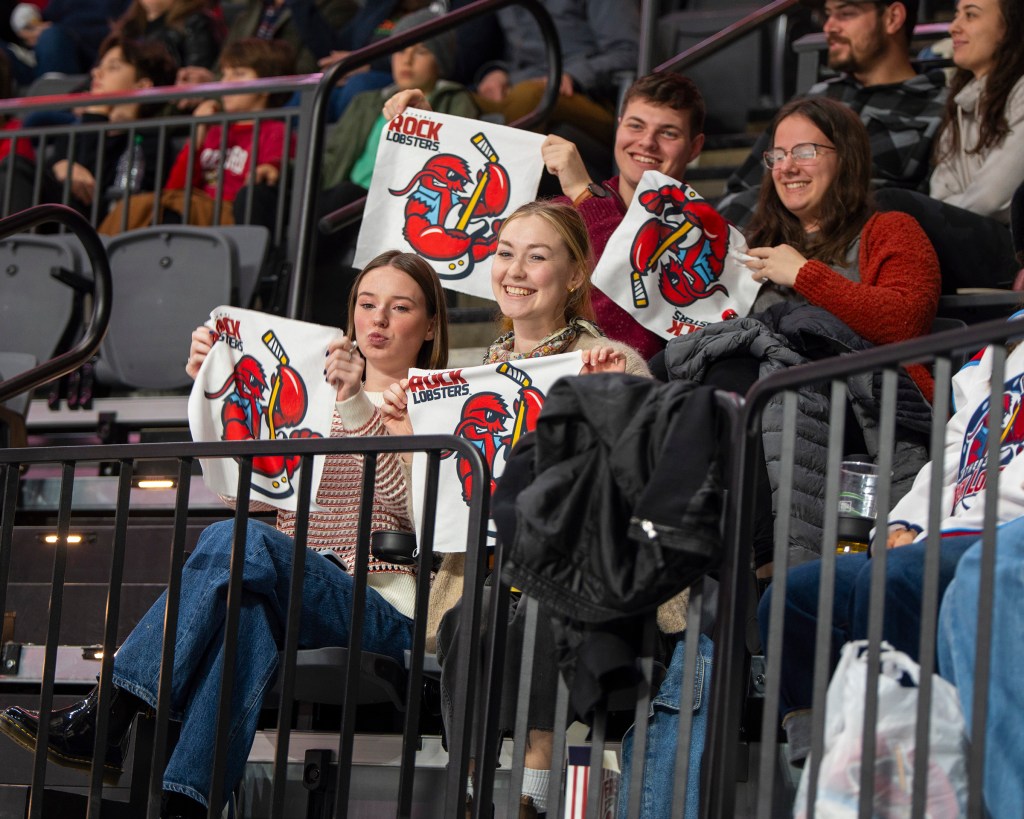
Image Credit to Wingate Downs, Akins Ford Arena’s House Photographer The sport of ice hockey is growing throughout the Southeast, which is one reason why the Rock Lobsters are getting so big within the city. “The South is providing one of hockey’s fastest-growing frontiers, just look at the success stories; The Florida Everblades (three titles in four years in the ECHL), the Florida Panthers (back-to-back Stanley Cup championships) have made huge momentum in recent years. From a players perspective, this has drawn them down south due to the warm weather off the ice,” Hall said.
We are not fighting the cold down here, we are embracing it and using our lack of it to our advantage.”
The South is getting bigger and bigger when it comes to hockey, when even 30 years ago, there were only two NHL teams and almost no lower-level teams in the south.
Hall hopes the Rock Lobsters are going to continue to be popular in Athens, further fueling hockey’s growth in the South. The Rock Lobsters have created a culture that runs deeper then just the locker room and the ice, it has spread all across Athens and Northeast Georgia as they continue to rise with the region.
-
Quelea quelea; Destructive Crop eating birds of Africa
As Georgians face the challenge of a new invasive species, retired wildlife biologist Jeff Jackson recalls dealing with a different disruptive species — cereal grain eating birds, the Quelea. These birds caused disruptions for farmers.
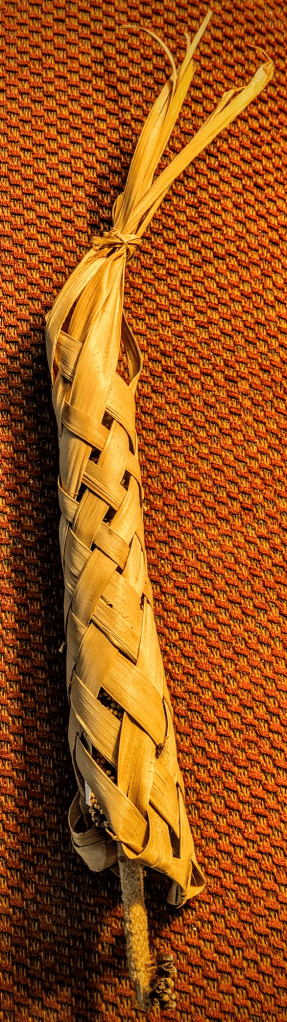
“They eat any kind of cereal grain, some of the ones in Africa that we saw ate pearl millet, sorghum, and rice,” Jackson said, adding that he and his wife, Phyllis, studied the bird for roughly six years in Chad and the Sudan,
Their task was to find a solution to the cereal grain eating birds, as local farmers took drastic measures to get rid of these birds in order to maintain a successful harvest.
“They come in swarms of locusts, thousands of birds will come and decimate a cereal crop,” Phyllis Jackson said.
In desperation, the local crop growers needed to find a solution. “They would keep the kids out of school, and they would have them in the field, scaring off the Quelea with noise makers,” Jeff Jackson said.
Since the kids needed to be in school or doing other tasks, this method did not suffice.
“The local people made a cover to go over the crops out of dune palm,” Phyllis Jackson said. “It’s pretty labor intensive, since they had to make one for every crop.”
Sadly, these were too time-intensive to make one for each of the thousands of the crops, and since they had to be hand-woven, this was another strike in the war against the Quelea.
“One of the things that was commonly done was use dangerous pesticides, and they would spray these by aircrafts over these colonies containing thousands of nests in a single trees,” Jeff Jackson said.

Although effective, this was extremely dangerous to humans and other mammals, like lions, who frequently were killed by these chemicals. “There was a pilot, of one of these spray planes. He got one of those pesticides on his arm, and he wiped it off not thinking about it,” Jeff Jackson said. “That evening he went to a local bar, to socialize with his friends, and he randomly keeled over and died.”
Over the years, the couple learned that the most effective way to deal with the birds was to harvest the crops before the birds came through and destroyed them. This was where Jeff and Phyllis came into play.
“There, some of the work Jeff did, was to figure out a type of rice, or sorghum, that the people liked, that tasted good, looked good, that would mature when the birds weren’t coming through,” Phyllis Jackson said. “They would harvest it quicker than the typical crop.”
These variations of crops did not not produce as much grain per as the typical ones.
Jeff and Phyllis’ work helped provide aid and neccesary knowledge to the people of Sudan and Chad.

-
Why Do The Clothes I Wear Matter To You?
By: Madison McKenzie
Have you ever put on a really cute outfit and you are feeling confident? You can feel peoples eyes on you, and then you start seeing looks of disgust and hatred. That has happened to me. Whether it was because my stomach was out, too much skin was showing or because I wore something that people don’t normally wear. People will judge you wherever you go and that is a lesson I had to learn.
In some cases, the clothes you wear would matter. There is a time and a place for the outfits you should wear. You don’t want to wear an overly revealing outfit to a very important meeting or interview. But, if you are out somewhere to hangout, eat, have fun with friends whatever the case may be , then you should be able to wear what you want (as long as you aren’t showing all of your bits and pieces). People should not dictate what you can and cannot wear. Other people should not be able to dim your light.
I feel that people who are not you, shouldn’t have a say in what you decide to put on your body. Sometimes, the clothes that we wear are an expression of how we feel. You are decorating yourself in a way that makes you happy. People shouldn’t feel self-conscious because someone looked at them with a side eye and made them feel as if they were ugly or looked like an outcast.
Your clothing choices shouldn’t be changed because someone else’s views. One’s fashion choices is supposed to be a form of self projection, a way to show what you like and how you want to be viewed. This means that people should have the right to their own style. Some outfits should only be worn at certain events and some outfits will make you look twice. But that aside, don’t diminish who you are to satisfy others.
Fashion experts say that the clothes that we wear show the personality that we created for ourselves. This is because it is a form of self expression which should be important to everybody. Nobody should tell you what you can and cannot wear. They are not you and you are not them. Don’t let them diminish your light.
-
Opinion Story
Growing up, I learned early on how to pretend. Not pretend in the playful, childhood sense — like dress-up or imaginary games — but a more quiet, painful kind of pretending.
I learned how to act like everything was fine even when it wasn’t, especially when it came to food, my body and how I saw myself. And If I’m being honest, a lot came from growing up next to someone who seemed to have the body I was always told I should want.
My sister has always been skinny. Naturally thin, effortlessly “perfect.” I’d hear people compliment her over and over: “You’re so tiny!” “You could be a model!” Even when they didn’t say anything directly to me, I could feel the comparison hanging in the air like a fog I couldn’t escape. Like a moth watching a beautiful butterfly flying through flowers. I was growing up in a body that didn’t match hers, and somehow that made me feel like mine was wrong — like I was the “before” picture no one wanted to be. I remember my mom saying, “Put the food down Saybel, your sister needs it more.” This cut deep between me and my mother’s relationship.
So I started hiding. I didn’t talk about how hard it was to eat in front of people. I didn’t admit how often I skipped meals, or how much shame I carried around after eating something “bad.” I smiled. I laughed. I made jokes. And inside, I quietly punished myself for not being “enough.” I told myself if I could just be skinny like her, things would feel OK. That I’d feel OK.
But it wasn’t just my sister’s body I was comparing myself to — it was every girl on my screen. Social media, TV shows, magazines, ads … they all sent the same message: thin is beautiful, and everything else you have to “fix.” Every time I opened Instagram or TikTok, I saw endless videos of girls with flat stomachs, perfect angles and “What I eat in a day” clips that added up to barely a snack. When those images are all you see, they start to feel like the only standard that matters. What made it worse is how fake so much of it is – filters, Photoshop, angles and lighting tricks. I didn’t just want to be skinny ; I wanted to be accepted, loved, and seen the way those girls were. I didn’t realize that I was measuring myself against something that isn’t even humanly achievable most of the time.
But here’s the truth : Striving to look like someone else — especially someone you love — is a trap. It doesn’t make you feel better. It just makes you feel invisible. I was fighting a battle inside my own mind, and nobody knew. And I let that happen, because I thought admitting it would make me weak. I didn’t know that there is real strength in saying, “I’m not OK.”
Now I’m starting to learn that I deserve to be seen as I am. That my body is not a failure just because it isn’t like hers. That no one should feel like a failure because their bodies are different. That food is not something to earn or fear. And that pretending doesn’t protect me — it only isolates me. What I needed back then wasn’t perfection. It was protection and compassion. It was someone to say, “You don’t have to look like her. You’re already worthy.”
I am proud of who I am and how I look. I’m not going to pretend anymore.
-
Student Awareness and Stigma
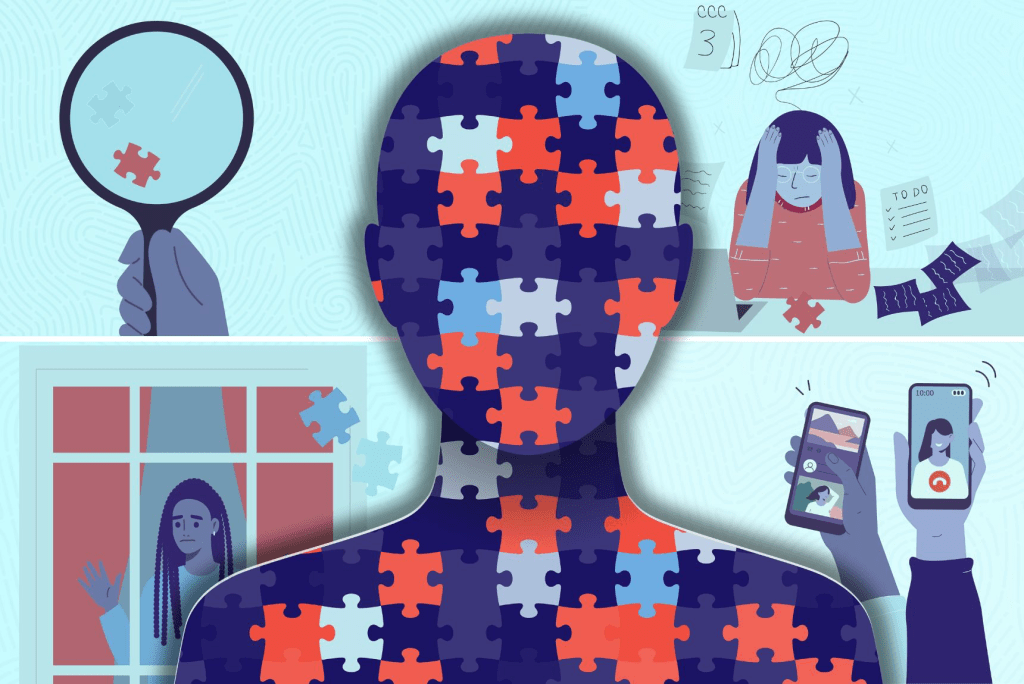
On the surface, college campuses buzz with energy – late-night study sessions, packed lecture halls and students chasing dreams with iced coffee in hand. But beneath that energy, many students are struggling with something less visible: their mental health. Anxiety, burnout and depression are increasingly common among college students (https://sph.umich.edu/news/2023posts/college-students-anxiety-depression-higher-than-ever-but-so-are-efforts-to-receive-care.html) , yet talking about those issues make some students uncomfortable and nervous. For many, the pressure to “have it all together” drowns out the need to ask for help.
Despite growing conversations around mental health, stigma remains a major barrier. Some students often feel that admitting they’re struggling could make them appear weak, dramatic or incapable of handling college life.
“I felt like everyone else was thriving, so I kept pretending I was too,” said Natasha, a third – year biology major at Mercer University.
This mindset – one that values toughness over vulnerability – can leave students isolated right when they need support the most.
Awareness of available mental health resources is another challenge. Many colleges and high schools offer counseling services, wellness centers or peer support groups but students often don’t know how to access them – or they assume the wait times are too long to bother.
“I thought the counseling center was just for people in crisis,” Maggie, a high schooler at Northview High School, shared. “I didn’t know I could go just to talk.”
Schools may host mental health events during midterms or finals, but that’s not always enough to change a culture of silence.
Students may benefit from more than just a flyer or a single awareness week. Ongoing, visible messaging from professors, resident assistants, and campus leaders can help reinforce that seeking help is a common and supported choice. Even when some teachers praise mental health as an important thing, some don’t realize they give more work than relaxation time.
“There are professors who preach that mental health is important and say you should take care of yourself, but then they say OK and you have a test in three days that is half your grade.” Naluchi, a senior in Mercer university, says.
When faculty incorporates mental health resources into their syllabi or when student organizations engage in open discussions about emotional well-being, it communicates to students that their challenges are recognized. Even modest efforts – such as faculty highlighting office hours or promoting designated wellness days – can contribute meaningfully to a supportive academic environment.
Breaking the stigma around mental health in college starts with honest conversations. Students are under pressure: managing school, jobs, relationships and identity – all at once. Minimizing or overlooking emotional challenges may influence the way support resources are accessed or perceived.
“My school includes mental health and daily conversation, some weeks, which benefits the kids who are struggling in secret, and I think that’s what makes it stand out from all the schools that don’t.” Kerisha is a two-year psychology major from Mercer University.
These outcomes may offer a broader perspective on what success in education can look like.
-
Dangerous Energy
A student anxiously watches the clock. The buzz from the exceptional amount of caffeine in their energy drink had turned into racing thoughts, jittery hands, and a tight feeling in their chest.
According to Centers for Disease Control and Prevention, up to half of adolescents consume energy drinks at least once a week, and a Civic Science study shows the majority of energy drink consumers are teenagers and young adults.
“A lot of my friends drink energy drinks [and] I would say it’s a very big part of my morning routine to have an energy drink as well,” said Cedar Shoals high school sophomore Catherine Dennison.
Above: An infographic picturing popular energy drinks including Alani, Monster, RedBull and Celcius, respectively, are pictured. Graphic by Edie Ash.
With teenagers included in the majority of consumers of energy drinks, brands like Celcius and Alani Nu have taken further steps to appeal to their audience through flashy packaging as well as collabing with popular celebrities including Kim Kardashian, Megan Moroney, and Jake Paul.
“There is always something being promoted to teenagers that is bad for them. I think they are incredibly glamourized,”said Athens Clarke County Pediatrician Carrie Kelly. “They make the packaging so appealing. I think these collaborations are so influential . It’s completely understandable why [they] are influenced”
The energy drink craze has made an appearance all over popular social media apps like TikTok with hashtags including “#Energydrinklover” and “#Energydrinks” having hundreds of thousands of videos.
“Energy drinks are on TikTok a lot” Dennison said. “When new flavors come out, people definitely post about it and a lot of teenagers are on TikTok, so it definitely influences them.”
While these drinks are known for offering aesthetic packaging and a quick boost of energy, it’s important to read the labels before consuming your daily pick-me-up.
Many popular energy drinks including Celcius and Alani Nu contain up to twice The American Academy of Pediatric recommended daily limit of 100 milligrams- some reaching up to 250 milligrams. When consumed, Athens Clarke County Pediatrician Carrie Kelly warns consumers of the threats it may have on their health.
“We want to avoid putting things like that into our bodies, especially for teenagers, as their bodies and brains are still developing and growing,” said Kelly. “Sleep is important for our development, our memory, our learning and anything that affects sleep can be really bad. As a pediatrician, I would say sleep is very important to help ourselves feel healthy and feel less anxiety.”
While flashy packaging and collaborations with popular celebrities can be appealing, The Franciscan Missionaries of Our Lady Health System offers a list of healthy alternatives including unsweetened tea, Hot or iced coffee and 100% fruit or vegetable juice to help consumers select a healthier drink.
“The decisions you make now when your young are going to affect you when your older,” Dennison said. “So making those healthy decisions now will benefit you in the long run”
Story by Edie Ash
-
Fast fashion and its impact

According to an article in USA Today, fast fashion is slowing the growth of local businesses, keeping them from flourishing to their full potential.
When younger generations choose clothes, many look at cheap, but trendy choices.
“Some fast fashion is good because if you need something quickly or if you need a bundle of something then you can order it quickly and cheaply,” said Saybel, a freshman in high school.
According to a UCLA sustainability study, fast fashion is where clothing manufacturers focus on mimicking and producing trendy clothes with poor materials, fast assembly time and low pay wages. Most of these clothes appeal to consumers however, due to social media pushing the trends and highlighting the cheap prices.
“I understand the convenience and why as many people buy it as they do,” Andrew Fritz, a resale store employee, said. “But it’s something that’s gonna get worse and worse the more common it gets.”
Many of these fast fashion prices are so low that local businesses cannot compete. Most small businesses use authentic materials and take a long time to design and eventually produce the clothing item. The time and materials small businesses use creates higher costs; if they lowered the purchase price, they would make no profit.
With 92 million tons of textiles being wasted every year and 10% of carbon emissions coming from the fashion industry, it also hurts our environment to an extreme degree, according to a study by research firm McKinsey and Company. The less trendy clothes may still be wearable, but consumers want the newest and trendiest outfits so they throw away the old. Many donation centers and landfills are filled with discarded clothes.
“Global consumption of clothing has been exponentially increasing, and the fast fashion industry isn’t going away anytime soon. Since 2000, clothing sales have doubled from 100 to 200 billion units a year,” reports Earth.Org, an environmental news website. “At the same time, the average number of times an item was worn has decreased by 36% overall.”
The advantage that small businesses have over these large fast fashion brands is connection. The community can become close to the owners of these stores and in turn may be convinced to purchase more as support. Also, thrift stores are an excellent alternative to fast fashion stores. Most thrift stores are full of great finds that are still low-price.
“I think it’s more of an emotional connection because you know you have people who are dedicated to you and actually care and believe in what you’re doing and it forms a relationship,” said a manager of a thrift store.
-
Negative Impacts of AI Use in Education
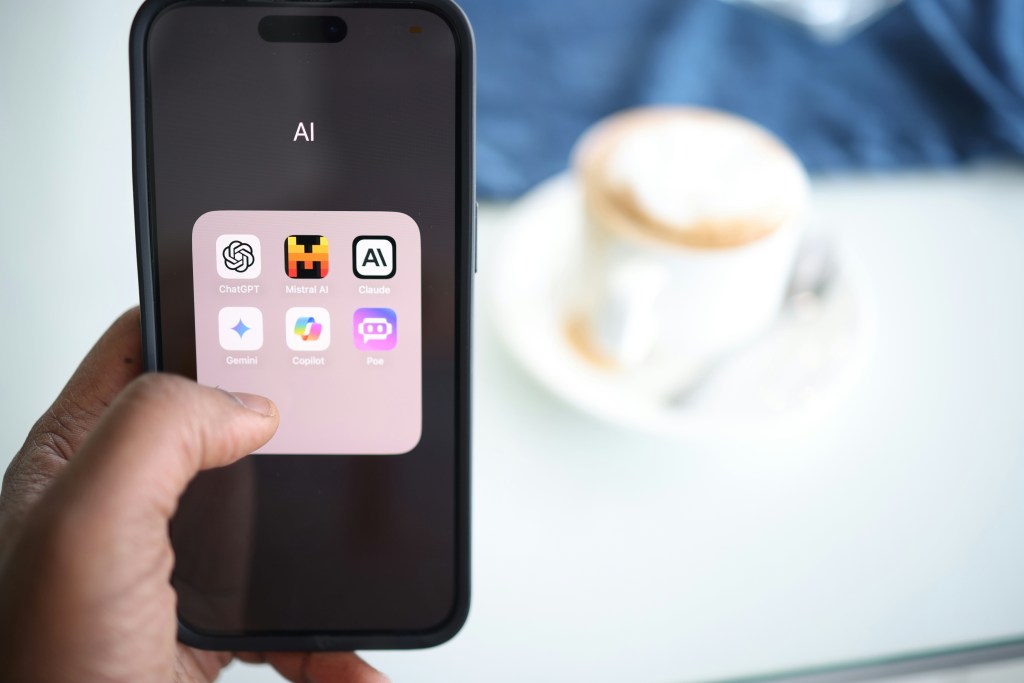
Photo by Solen Feyissa on Unsplash
By: Jupiter Sousa
Sprayberry High School
Marietta,GAAI has been increasingly dominating society as early as 1956 according to Dartmouth Summer Research Project on Artificial Intelligence.
AI has been proven to be a good tool to assist others in many aspects however, some abuse this technology by replacing creative writing with AI to cheat. NerdyNav confirms that 43% of college students use ChatGPT and/or other AI sources and 89% of those students use AI for homework assignments.
This reliance on AI to complete educational tasks has decreased critical thinking, IQ for youths and shortened attention spans. As this will not only affect this generation negatively, but future generations as well. Heavily relying on ChatGPT or AI overview can cause: under developed minds, conflict in problem solving, and lack of knowledge, which decreases a teacher’s ability to teach and students’ ability to learn essential information from textbooks, lectures or socialization that can expand their views.
“Writing is essentially thinking- if you’re not putting in thought, you’re not really learning,” said Braine Ash, a teacher at Clarke Central High School in Athens, Georgia. ” You are not building that skill when you make a computer write it for you.”
This dependence on AI won’t help you obtain the knowledge, which dramatically affects the education for youth in all aspects of learning: “A lot of these kids in math, they’ll take virtual school and will get these classes done in days, it’s not just English.” Mr. Ash says.
This not only impacts students, but also teachers and future generations as they’ll continue to depend on AI to get their high school or college degree, lowering the IQ average for future kids and academic expectations. Ash said teachers need to adjust their teaching styles to consider AI..
“Is it the end of civilization? I don’t think so, however English teachers are going to have to continue to think about how we teach with AI now.”
This is why many teachers are now prone to assign in class essays, so you cannot take it home.
Many debate on the topic of AI and its qualifications for “cheating.” For example, some teachers allow students to use AI to correct or help essay writings to perfect it in order to turn in. But Ash isn’t one of those teachers. “It’s a blurry line there, some teachers don’t have problems with a student doing that- I would not [agree with that] .”
Despite Ash agreeing on net positives of AI being able to assist people who struggle with certain subjects getting automatic feedback on how to correct their mistakes, he believes the negatives overpower the positives in AI. “There’s no denying that at this point, their growth during these years will dictate what kind of writers and readers they will become.”
Ash said that AI usage differs in adults to youth, as adults already have the knowledge to write and read while youth haven’t fully developed yet. Instead of learning that skill they rely on AI to do it for them, never growing or challenging themselves.
The rise of AI may come at the expense of a massive decline in future generations’ IQ. According to ie University, “As reliance on AI grows, experts warn that it could diminish critical-thinking skills and alter fundamental cognitive processes.”
This directs that society should work alongside AI, rather than use it as a replacement for human work. AI will continue to develop and grow within society and there’s no stopping it, but incorporating it in appropriate ways in everyday life will ensure AI has minimal impact on development.
“If you never go through something hard, you won’t grow,” Ash said, adding that if you challenge yourself, you build experience and life lessons that will help you evolve. “It’s not going away, we are going to have to teach our kids appropriate ways to do it, and hope they will.”

Summer Media Academy • Multimedia Journalism Class • The University of Georgia


 Rock Star Writers Blog