How many transfers are too many? Why college athletes need a transfer limit

By Reese Johnson
Tombs County High School

For centuries, college athletics have been built on loyalty, but the transfer portal has decided to throw away the culture athletes across the country have dedicated their lives to creating. While athletes should have the opportunity to find the best fit for their academic and athletic careers, there should also be a line drawn on the number of transfers allowed. Without restrictions, it creates an environment of distrust and disloyalty .

Team bonds take time to be developed, and teams are unable to do that with the transfer portal. The culture of different athletic departments is beginning to be lost due to a lack of stability provided by the athletes. Coaches spend countless hours investing in athletes only to watch them leave after one season. Teammates who have bonds require chemistry and time spent together, but the transfer portal creates a space of wondering what your teammates’ next move will be. College teams were once about overcoming adversity united as a team, but now, once a conflict arises, the team scatters.
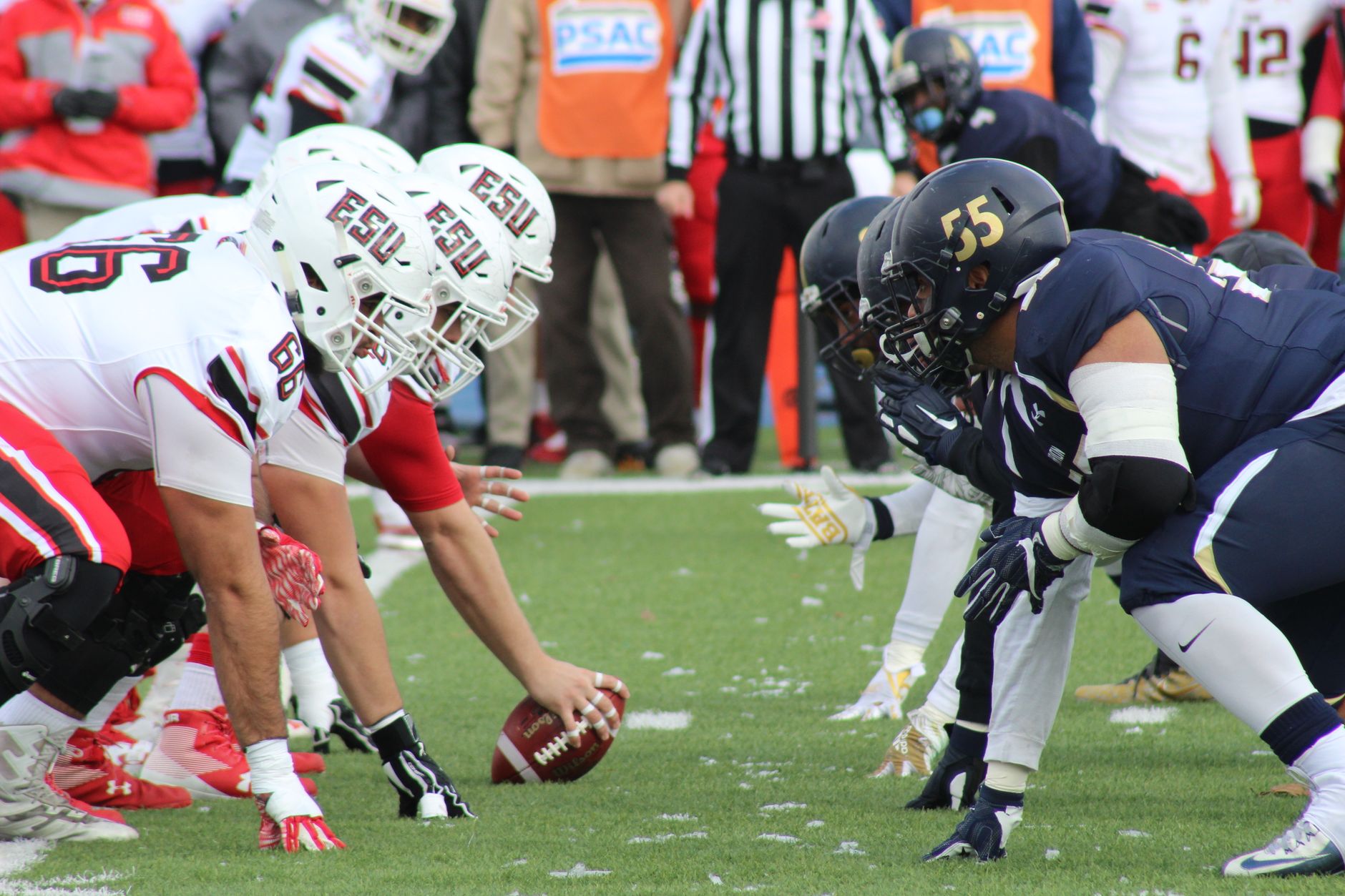
Photo by Jack Biddinger on Pexels.com

Another aspect of the game that the transfer portal has created is uneven playing fields. Larger schools have more influence over where a player goes due to having more resources and a greater opportunity for exposure. Smaller schools often become used as stepping stones for athletes to find their footing as they experience the college sports world for the first time. This creates harder playing situations for the smaller schools that are constantly having to rebuild their rosters during the offseason.

Supporters of an unlimited number of transfers for athletes argue that athletes should get the same access to transferring schools as academic students do. While that can be viewed as a fair point, Athletes have different privileges than regular students, such as, scholarships, training, and unique opportunities.

A limit of one to two transfers still allows athletes to seek better situations while still keeping the integrity of college sports.

College Athletics should consist of development, commitment and stability. The transfer portal has granted athletes with valuable opportunities, but unlimited transfers create unintended consequences. Setting boundaries with the amount of transfers per athlete can give athletes the freedom to find better opportunities while also keeping the culture of college sports. Finding the right balance is essential to preserving the future of athletics.


Experience v. Youth/Knicks v. Spurs

By Anthony J.T. West
Natchez Early College

The 2026 NBA finals isn’t just a battle for a championship, it is a clash between two totally completely different identities. The New York Knicks represent experience, leadership and composure, while the San Antonio Spurs bring youth, energy, and hunger. This series shows how different paths can lead to the same stage, but only one approach will come out on top. This series has shown us (so far) that it will be based on who can stay calm under pressure. Right now the 2026 NBA finals may go down in history for one simple reason.The New York Knicks are putting together one of the greatest comeback performances the league has ever seen, while the San Antonio Spurs are showing signs of being one of the weakest second-half teams on the biggest stage.

Photo by Rockwell branding agency on Pexels.com

The Knicks have built their Finals run on resilience. No moment has been too big, no deficit too large. Their ability to come back from massive leads, most recently a historic 29-point comeback, shows a level of toughness that separates good teams from great ones. When the game gets tight, they don’t panic. They stay cool, calm, and collected while at the same time executing every possession to slowly chip away the lead that any team has during that time of a game. This is a team that believes that until the clock hits triple zeros in the 4th quarter of a game that it’s not over until it’s over.

On the other side, the Spurs are telling a completely different story. For a team with so much talent and potential, their second-half performances have been their biggest weakness. Time after time, game after game, night after night, they would build leads early only to watch them disappear after halftime. Whether it’s poor shot selection, defensive breakdowns, or simply losing composure, the pattern is hard to ignore. This is a team that has defeated last years NBA champions the Oklahoma City Thunder. During the whole series they were relaxed, stayed composed, and made smart decisions. However, when you go to the NBA finals it’s a different setup and you have to find how you are through all the chaos and not lose site of who you are in the process. Sadly, the San Antonio Spurs have not been the team that we have seen all year.

Photo by Israyosoy S. on Pexels.com

The difference between these two teams is not skill it’s the mentality. The Knicks play like a team that expects to win no matter the situation. The Spurs, at least right now, look like a team still learning how to handle pressure when everything is on the line. That’s why the Knicks’ comeback ability feels historic. It’s not just one game anymore, it’s starting to become a consistent identity. They absorb runs, stay disciplined, and strike when it matters most.

Meanwhile, the Spurs’ second-half struggles raise a bigger question. Are they really ready for this moment yet? Talent alone isn’t enough to win a championship. You need focus, composure, and the ability to FINISH. That’s exactly where the Spurs’ have fallen short multiple times during this series. Last night in game 4 they have just blown the biggest lead in the history of the NBA Finals. “To me that shows that they probably are not ready for the stage yet even though they are extremely talented.” a person I interviewed said. “There is no excuse for the Spurs’ as good of team as they are to blow a lead like that on the biggest platform basketball has to offer.” he continued.

This series is proving one thing clearly. Great teams don’t start strong, they play strong the entire game and finish the game strong as well. Right now, the Knicks are doing exactly that, and it’s why their comeback run may be remembered as one of the greatest in NBA history. “The Knicks are showing us who they are and why they are finally showcasing us what they can do when they make it to the greatest stage in basketball.” he said. It has been 53 years since the Knicks has won the NBA championship. During that time my granddad was in middle school and my grandma just entered middle school. “The Spurs’ have a lot of learning to do this offseason”. he says. “Knicks in 6” he continued putting emphasis on have he believes this series will end.

“The Knicks are making history by never giving up, while the Spurs are learning the hard way that in the Finals, a great first half means nothing if you can’t finish.”

USA vs. Jamaica: The Pinnacle of Track and Field Rivalry

By Kaya Collins
Forsyth Central High School

12 seconds.

That’s about the longest a professional track and field sprinter will be on the track racing during a competition.

In 12 seconds history can be made, dreams have a chance to be fulfilled and hearts are broken.

Track and Field is an individual sport. Each athlete is responsible for every loss, every upset and every win. This makes every moment so much more passionate and important. Like every sport, professional track and field has had long standing rivalries that push athletes to their limits and make each athlete want that beautiful gold medal just a little bit more. The most notable of those rivalries is the competition between American and Jamaican runners. For decades now, competitors from these two countries have battled closely and hard for first place.

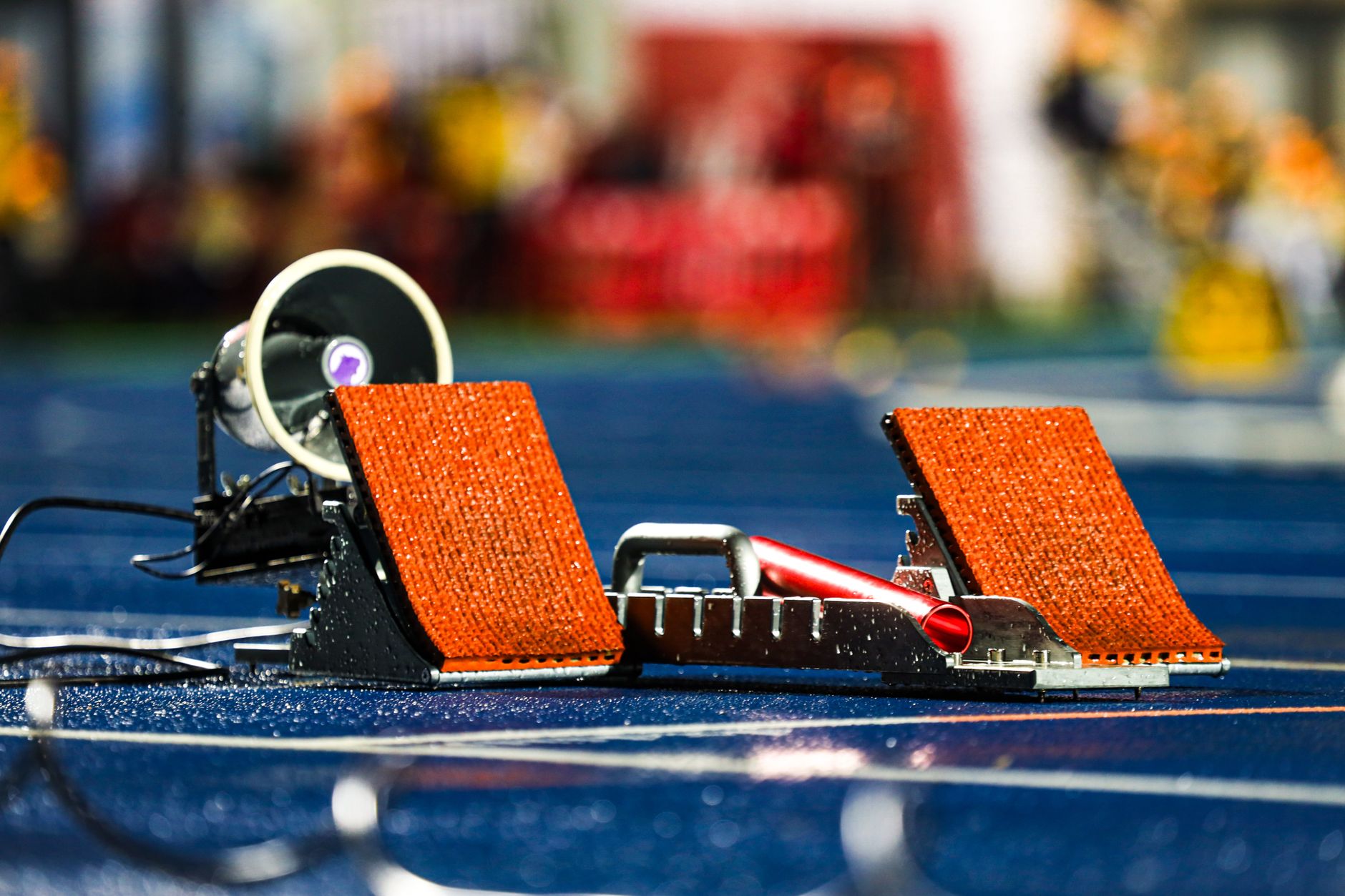
Photo by Writchid Snipes on Pexels.com

The USA has long been known and recognized for its astounding athletes. Not many in the world are willing and able to compete successfully against USA’s runners. But Jamaica stands out. For decades now, Jamaican runners have gone head to head with Americans in a fight fueled by national pride, tradition, and athletic culture.

The Paris summer Olympics 2024 showcased this rivalry in one of the closest men’s 100 meter dash races in Olympic history. USA’s Noah Lyles won gold after a neck and neck finish with Jamaica’s Kishane Thompson. The race was so close that announcers actually stated, or assumed, that Thompson had won the race before results were posted, and ended up being incorrect. Lyles winning the 100m mens final that year, especially with the race being so close with a Jamaican runner, only further fueled the rivalry between countries.

From old competitors like Jamaican Usain Bolt and American Justin Gatlin to modern day Kishane Thompson and Noah Lyles, the USA vs. Jamaica rivalry has made its impact and continues to showcase phenomenal athletes and promising talent for future competitions. The next championship meet is September 2026.

Now the question is, will the rivalry continue with each country securing wins back and forth?

Or will a champion emerge and settle the long lasting struggle?

How Does Mental Health Affect Athletes Off The Field?

June, 9, 2026

By Uri Powell
Alpharetta High School

Are college athletes perfect? Some assume so, some disagree.

College athletes have some of the most pressure placed on them every game. Especially college athletes who strive in football or baseball. Athletes who play football or baseball have the expectations from their teams, of the likes of a MLB (Major Baseball League) , and a NFL (National Football League) athlete over their heads. Even when they aren’t on the field, their minds are running back and forth about their performance, practice, or anything to do with their athletic scholarships.

Photo by football wife on Pexels.com

Sports can easily have a huge psychological effect on someone. Stress, Depression, Burnout, Substance Abuse, and more. Athletes usually develop these to survive under the pressure of reality and live up to the standards of fellow team mates and coaches. In Oct. 2023, Brown University held a studying discovered that around 30% of college athletes will eventually quit their sport due to physical and mental exhaustion. As many colleges across the country notice this behavior in their athletes, they try to ensure that their athletes maintain stable mental health by having equitable access to counselors and other comfort sources to improve and uphold their performance. Even though student athletes have resources to turn to if they’re struggling, they can quite easily be replaced if a coach suspects the player constantly struggling, this creates hesitation for players to reach out for help while knowing it could cost them they’re athletic career. As football players miss classes for practice, and baseball players miss so many hours of school due to sport travel and packed schedules. Academic pressure can increase on the athlete due to these rules.

If a college athlete is falling behind in academic performance, they are legally required to be benched until their grades reach standards again due to the National College Players Association. On field performance can cause exhaustion and stress which can lead to severe sleep loss from worrying. Being unable to sleep can greatly impact an athletes grades. Their grades can begin decline drastically which can lead to the legal ineligibility to play causing them become benched during games. After this process, it’s also very likely that the athletes will turn to substitutes to fill loose time which leads to substance abuse and mental exhaustion.

Photo by Pixabay on Pexels.com

Although for baseball, it’s a bit different. Baseball players do need as much required academic excellence as college football does. College football usually only competes on Saturdays, baseball is a constant fast paced grind. A regular baseball season can average up to 56 games in a single semester. With this information, This can mean four to five baseball games per week with consistent travel and practices. While football must earn 9 credits during their fall semester to be considered for next years team. In baseball, they must earn only 6 credits during the fall semester to become eligible for next years team. Another challenge is that the NCAA Regionals are held in late April and early May, which are also the times colleges and universities are holding all final exams. This can cause tremendous stress among student athletes.

In Dec. 2023, the NCAA Student-Athlete Health and Wellness Study conducted a study for college athletes. It was shown that up to 45% of college athletes experience constant mental stress due to intense athletics, around 24% experience clinical depression, and over 55% participate in heavy substance abuse. This data clearly demonstrates how college athletes are affected by the industry.

College American Football, Golf and Cheerleading are a couple of the most mentally demanding sports while college baseball is one of the most strategic team sports. College football and baseball are two of the most fan hyped sports in the world. College sports are the most watched and cheered for sports in America at the moment. So maybe college athletes aren’t perfect, and they don’t always win, but they try their best.

Georgia baseball paving their way to Omaha after years of championship drought

By Reese Johnson
Tombs County High School

For the first time in almost two decades, Georgia punches their ticket to Omaha. The 3rd seeded Bulldogs beat 14th-ranked Mississippi State in a two game thriller in front of sold out Foley field.

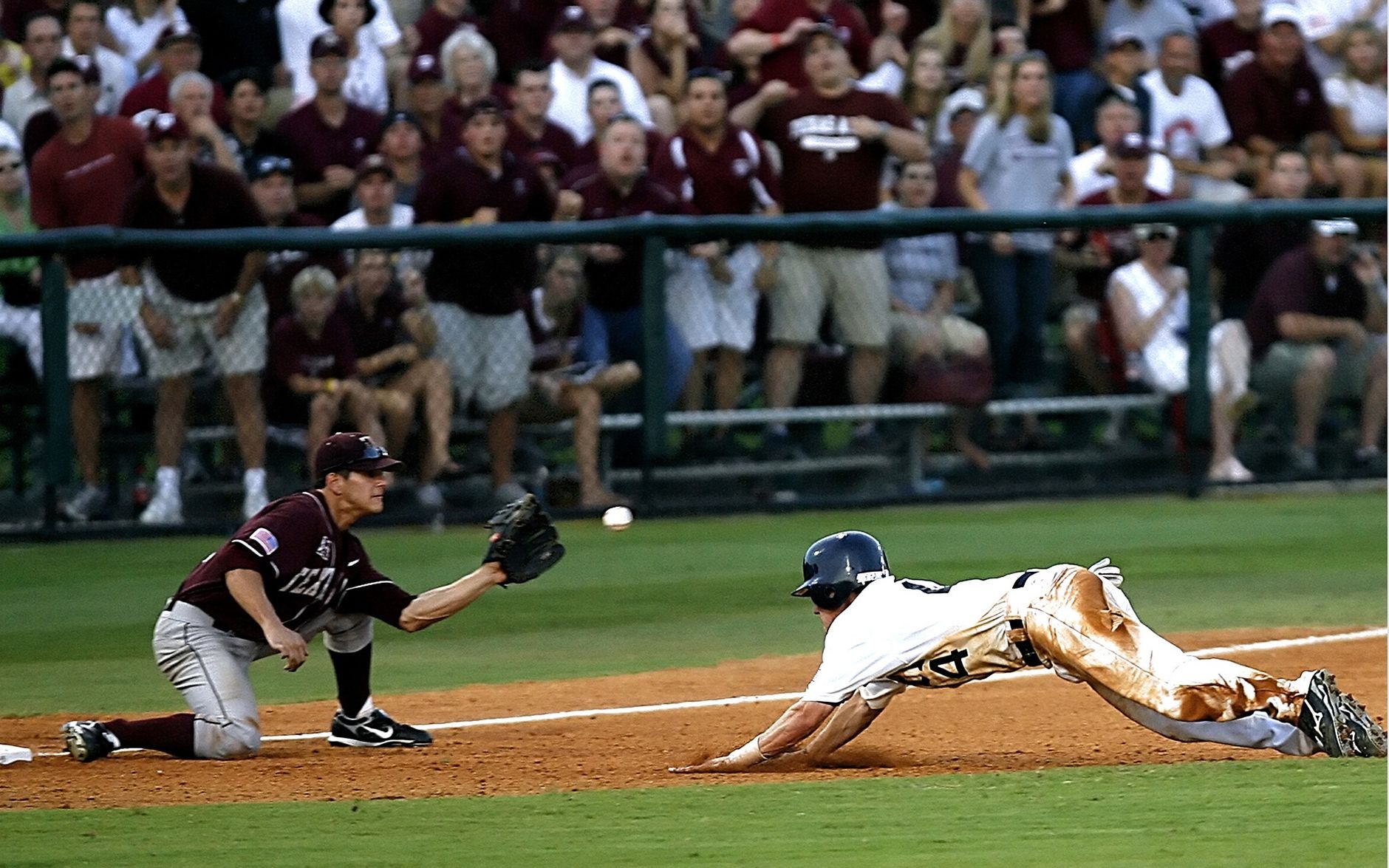
Photo by Christopher Gaines on Pexels.com

“I tell our guys all the time, I think toughness gets a bad rap. People think it’s some kind of physical element, and it’s not. You have to learn to be capable of great endurance and understand that our game is really long,” said head coach Wes Johnson after two close ball games. “And you just saw a bunch of resilient guys, and you saw the fruition of all that work come through.”

Game one was held on Saturday, ending in a close win for the Georgia Bulldogs. Mississippi State came out swinging, earning them a 7-0 lead. In the fifth inning, Georgia started climbing back to earn a 2-run lead. State and Georgia battle back and forth for the next 4 innings. In the bottom of the 8th, Micheal O’Shaughnessy – filing in for suspended third baseman Tre Phelps- hit a 3-run homer, sending it over the scoreboard. To end the game, closing pitcher Justin Byrd held the Mississippi State Bulldogs scoreless in the ninth inning, helping Georgia take game one of the Athens Super Regional.

Going into game two, Georgia just needed one more victory to punch their ticket to Omaha. The UGA Bulldogs quickly asserted dominance, keeping a steady lead for most of the game. With pitcher Caden Aoki setting the tone, pitching 5.2 innings, striking out 9 batters. State had a furious comeback attempt, which led to the game going into extra innings. Georgia star catcher Daniel Jackson blasted a go-ahead 2-run homer in the tenth. Justin Byrd took the mound yet again to secure the Bulldogs trip to Omaha.

“I remember going to bed that night knowing we were going to Omaha, we are going to win this game, and it just didn’t work out,” said Senior Kolby Branch. “And now we are on to Omaha, it’s kind of a full circle moment.”

Veterans, like Branch, having experienced heartbreaking endings the last two seasons, say the trip to Omaha is proof of their hard work paying off.

Head Coach Wes Johnson got emotional in the post-game interview, talking about the former players who helped the team get to where they are today and how the current team’s resilience is how they fought until the end to score their spot in the College World Series.

National Player of the Year finalist, Daniel Jackson, stated how seemingly little things as the “sour power” can unite their team like it has. The sour power trend started out as a simple celebration after scoring a run and it has turned into a fan wide tradition.

He ends his interview saying, “The chemistry on our team, it’s hard to talk about. I mean, it’s just incredible. I think a big factor of that is, as silly as it sounds to say, winning. When you’re winning together, it’s fun, and it’s true. The locker room is a much happier place after a win.”

Powered by sour candy, Georgia baseball keeps sights set forward

By Grady Leatherwood
Calhoun High School

Every team begins the college baseball season with the same goal: to advance to the Men’s College World Series (CWS) in Omaha, Nebraska, and win the national championship. On Sunday, the Georgia Bulldogs took the next step in advancing towards the national championship, clinching a spot in the CWS after sweeping Mississippi State in a high-scoring two game series. In front of 3,633 fans packed inside Foley Field on Sunday, the Diamond Dawgs mashed four home runs — none bigger than junior catcher Daniel Jackson’s go-ahead two run home run in the 10th inning — en route to an 11–9 extra innings victory.

“It’s everything we’ve been working for the last ten months,” Jackson said during an interview with ESPN discussing the win. “As soon as I saw that it would stay fair, I knew it’d be lights out from there.”

Jackson’s tie-breaking home run was his 31st of the year, the second most in Georgia baseball history, behind Charlie Condon’s 38 home run season in 2024. “He’s the best player in the country,” Bulldogs head coach Wes Johnson said. “He’s one of the best I’ve ever coached.”

With the win, Georgia advanced to the CWS for the first time since 2008 and for just the seventh time in program history. In their previous six trips to Omaha, the Bulldogs have only won the tournament once, in 1990, led by late coach Steve Webber. The latest trip to the CWS for Georgia ended with a second place finish, as they lost the championship series to Fresno State.

The 2026 campaign has already been one of the most storied in program history, with the Bulldogs winning their first conference tournament in the club’s 140 year history. Additionally, the Super Regional clinching win on Sunday was the Bulldogs’ 51st of the season, second only to the 1990 team that won 52 games and the CWS. The team also leads the nation in home runs with 174, a school record.

The Bulldogs success this season can be attributed to a variety of factors, including their high-powered offense led by Jackson, Tre Phelps and Brennan Hudson, and a solid pitching staff headlined by junior and top Major League Baseball draft prospect Joey Volchko. However, the players claim that Buc-ee’s candy is the secret to the team’s winning ways.

Quattro Sour Power Candy Belts from the Texas-based gas station chain Buc-ee’s have established themselves into the mythos of Bulldog baseball. Georgia players claim the rainbow-colored candy gives them powers on the diamond.

“This is sour power right here. Every time you score, you get some of it,” Jackson explained during a post game interview. “It’s actually one of the things that brings us together. A part of our offensive identity is sour power.”

“Sour power” has become a rallying cry of sorts for the team. The fans have also embraced the sweet tradition, with a large “sour power” sign adorning the lawn of Kudzu Hill during Sunday’s game.

With a trip to Omaha secured, the Bulldogs know they can’t afford to become complacent. “We”ll soak it in for about 12 to 24 hours and then get right back to the grind,” Jackson said in a post game press conference. “Take each day of practice and get better. That”ll set us up for a good time in Omaha.”

Senior shortstop and clubhouse leader Kolby Branch also weighed in on the team’s need for focus. “We just want to get there and go from there and start playing and competing like we’ve done all year. Just like the SEC tournament, the Regional, and the Super Regional,” Branch said. “You just got to get to the next step and go from there. But we’re confident and ready to go and ready to get after it.”

Georgia’s third-year head coach Wes Johnson emphasized his lack of relaxation and his full concentration on the CWS. “We didn’t get to sit back and soak it in,” Johnson said when the media asked how he celebrated the Bulldogs win. “It was business as usual. We’re getting ready for Texas. Sitting back and taking it in will hopefully happen July 4th weekend.”

The Bulldogs are listed as the best team in the field of the CWS according to USA Today, having won 19 of their last 20 contests. Georgia’s first game in Omaha will commence at 7 p.m. EST on Saturday against the Texas Longhorns and will be broadcast on ESPN.

The Impact of the Transfer Portal In College Football

By Anthony J.T. West
Natchez Early College

College football used to be about staying loyal to one school. Players would commit, grow, and finish their careers in the same place. Now with NCAA Transfer Portal, things have changed. Players can leave and join new teams much easier, and that has had a big impact on the game.

On a college football team, a jersey used to mean everything. When a player chose a school, it felt like a promise something that would last for years. However, that promise isn’t staying the same. With the transfer portal, players now have the chance to leave one team and join another whenever they feel it’s the right move. The transfer portal created by the NCAA, allows college athletes to enter their name into a system where other schools can recruit them. “This means that we are now living in a world where more than 25 percent of all the scholarship football players in FBS are entering the portal annually!” This phenomenon has given players more freedom than ever before. If they are not getting playing time or feel like they don’t fit, they can find a better opportunity somewhere else.

This change has helped many players. Some athletes who were once overlooked have transferred to new schools and become stars. It gives them a second chance to succeed and shows what they can really do. However, the transfer portal has also changed how teams are built. Instead of only recruiting high school players, coaches now look for experienced players in the portal. Teams can improve quickly but adding new talent, sometimes rebuilding their whole roster in just one season.

Photo by Steve DiMatteo on Pexels.com

At the same time, this can hurt smaller schools. They may develop a great player, only to lose them to a bigger program. This creates an unequal system where stronger teams can keep getting stronger. When I interviewed a person he says that he feels like “the transfer portal has improved and helped college football.” He also goes on to say that “bigger schools can build their teams easily and be more competitive against other teams.” The last thing he said was that “this can help the fans be able to be more engaged with the team and the players that are on the field on Saturdays.”

Another impact is the loss of team chemistry. When players are constantly coming and going, it can be harder for teams to build strong connections. Fans also find it harder to follow players when they don’t stay at one school for long. Now with players transferring from different school have less time to adjust, which can lead towards miscommunication and inconsistency on the field. It also affects leadership, since experienced players may leave and new ones may not be ready to step up right away. While the transfer portal creates more opportunities, it can make teams feel less stable and connected.

The transfer portal has completely changed college football in ways we never thought it would. It has given players more control over their future, allowing them to leave situations that don’t benefit them and find better opportunities in other places. At the same time, it has made the game faster and more competitive, with teams able to improve quickly by adding experienced players. However, this constant movement can also make college football fell less stable, as rosters change often and teams have less time to build chemistry. While the transfer portal creates new chances for success, it also brings challenges that continue to reshape the way the game is played and experienced.

Has Sports Betting Changed Sports Fandom For The Worse?

By Becket McDuffie
Palos Verdes High School

The loudest reaction in my living room wasn’t when Georgia scored the game-winning touchdown. It was when a meaningless 3-yard rush ruined someone’s parlay.

“Are you kidding me?” my friend yelled at the TV.

At first I thought he was upset about the game. He wasn’t, Georgia was winning. The season wasn’t on the line. Nothing had changed except the fact that one player had failed to reach a statistical milestone he needed for a bet.

Photo by Tobias Pedersen on Pexels.com

That was the moment I realized some fans aren’t really watching sports anymore. They’re watching their gambling slips.

Growing up, sports were simple. My friends and I argued about who would win, who deserved a championship and which players were the best. Now those conversations sound different.

“Did you hit your parlay?”

“What’s the over-under?”

“Did that touchdown cash your bet?”

Somewhere along the way, the game stopped being enough. Sports betting has exploded across America, becoming one of the fastest growing parts of the sports industry. While gambling has made games more exciting for some viewers, I believe it has changed sports fandom for the worse by shifting attention away from the teams and competition, towards the money. Ever since the Supreme Court legalized sports betting nationwide in 2018, sports gambling advertisements appear during nearly every major sporting event, and betting odds are discussed as frequently as scores and statistics.

There’s nothing wrong with enjoying sports betting responsibly. For many fans, it adds excitement to games they otherwise might not watch. However, when the financial outcome becomes more important than the actual competition, sports begin to lose what made them so special in the first place.

Photo by Pixabay on Pexels.com

The influence of sports betting is hard to ignore. According to Front Office Sports, Americans legally wagered more than $147 billion on sports in 2024, a dramatic increase from just a few years ago. As betting has grown, so has its presence in sports broadcasts. When fans are constantly being encouraged to place bets, it’s no surprise that many begin to focus more on their wagers than the teams they are supposedly supporting.

Sports betting isn’t going anywhere, and I’m not arguing that it should. Adults should have the freedom to place bets if they choose. But as sports gambling becomes more common, fans need to remember why they started watching in the first place. Sports are supposed to be about competition, loyalty and unforgettable moments, not just winning money. If we reach the point where a missed parlay matters more than a championship, then sports betting won’t have improved sports fandom. It will have changed it for the worse.

Behind the Wheel: Beyond the Stereotype

By Bristol Hardman
Madison County High School

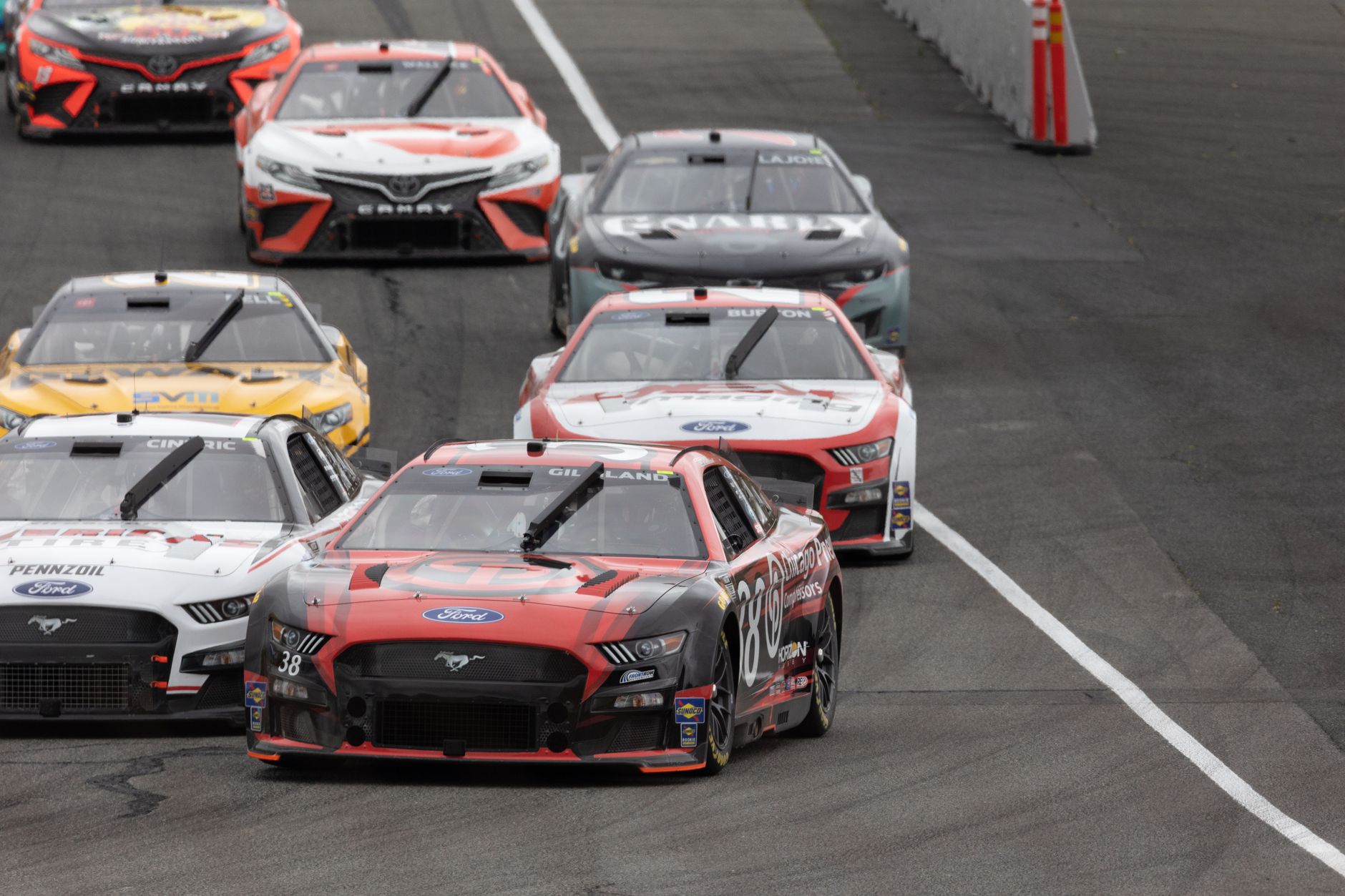
For many people, Nascar is just a group of drivers making endless left turns around a track. But spending a few minutes inside a race car — traveling nearly 200 miles per hour, enduring extreme heat, split-second decision-making and hours of physical strain — and that opinion quickly changes. The belief that Nascar isn’t a real sport ignores the athleticism, mental toughness, and skill required to compete at the highest level. If sports are defined by physical ability, strategy, training and competition, then Nascar deserves a place alongside football, basketball and every other major sport.

Brad Keselowski is a 42-year-old Nascar Cup Series Champion. All throughout his Cup Series career, he has had major injuries like a broken femur and fractured ankle and he has had to recover through physical therapy. But he still got in the race car and raced.

On March 2, 2025, Brad Keselowski’s cooling-suit failed and he was sent to the infield care center to be hooked up to an IV to get the fluids he needed. The race car he was in got up to 150°F and his body heat was 130°F, so in total the race car felt like 280°F. Athletes in other sports do not have to experience what 280°F feels like, but these racers feel that heat every time they step into a car to race.

Photo by Sean P. Twomey on Pexels.com

Christopher Bell is a 31-year-old All-Star Race winner. Bell is one of the younger drivers and he is a little smaller than the other drivers. On June 7, 2026, he was racing for the lead at Michigan and he collied with Chase Elliot and hit the wall at 200mph and demolished his car and Elliot’s race car as well. His injuries were a fractured wrist. He did not speak with broadcasters after to get his side of his story.

Nascar drivers have to go through extreme practices to get their bodies to even be able to stand the heat and exhaustion that goes into racing. They go through cardiovascular conditioning, extreme heat training, hydration protocols, and extensive mental and stimulator practice. During their cardiovascular conditioning they tend to cycle, run and swim to learn how to keep their heart rate down under stress. While doing heat training, they sit in warm environments like hot yoga to get their bodies used to the high temperatures in the race cars. They also work on their strength and flexibility, which focuses on neck strengthening and upper-body stamina to withstand the weight of the helmet and the steering force.

People tend to say that these drivers aren’t athletes because they think the machines do all the work and that the drivers don’t do the standard athletic movements. Nascar doesn’t change anything major in the race cars unless there is a major injury or death so until something physically happens, the rules stay the same. That is not right. They should be changing the race car every time a driver enters it because the safety of these drivers should be the first priority.

Yes, fans do not like the changes that the teams do because it could make the race car slower, or that it is not the same as the 1980 stock cars that everyone fell in love with. But in this day and time, you can’t have those cars because of the competitiveness and how light these cars are, and that can result in more injuries and flips.

If the fans of Nascar would actually think about these driver’s safety instead of just thinking about their experience and how fast the car can go, there wouldn’t be as many injuries, deaths or malfunctions happening to these drivers. Athletes get in these race cars because this is what they love to do, even if there is a chance that it is their last, because anything can happen in a split second.

We need more fall sports

Photo by RDNE Stock project on Pexels.com

by Paul Chandler
Athens Academy

Going into the second semester of school, I often feel jarred choosing between one of the many sports being offered. The question comes to mind, “Why can’t some of these be moved into the fall semester.” Well, being in the south that answer is always football, the most popular sport. This is understandable because it brings in the revenue and all, but shouldn’t there be a way to not make multi sport athletes have to choose between Track and Field, Baseball, Soccer, Tennis, Softball or Golf?

All of these sports are able to be played in the fall semester except for soccer which would invade Football since they play on the same field.

According to Sanford Health, specializing in one sport also poses a higher risk for overuse injuries and burnout. On top of that 30 of the 32 first round picks in the 2017 NFL draft played multiple sports in high school, showing the competitive and health benefits of playing multiple sports.

The window to play multiple enjoyable sports for many athletes is thrown out the window by most sports being crowded into the spring season. Since less than 1% of young athletes will make a career out of playing sports, the focus should be on opportunity to enjoy and play sports. Expanding on that topic, we should allow for multiple spring sports to be played in the fall season.

I obviously understand that football will always be a priority, but restricting athletic potential and forcing kids to play one sport and making them make the hard choice of which sport they need to cut out of their high school life is not worth it just to keep the spotlight focused on football, even when most students don’t play it.