
Has Sports Betting Changed Sports Fandom For The Worse?

By Becket McDuffie
Palos Verdes High School

The loudest reaction in my living room wasn’t when Georgia scored the game-winning touchdown. It was when a meaningless 3-yard rush ruined someone’s parlay.

“Are you kidding me?” my friend yelled at the TV.

At first I thought he was upset about the game. He wasn’t, Georgia was winning. The season wasn’t on the line. Nothing had changed except the fact that one player had failed to reach a statistical milestone he needed for a bet.
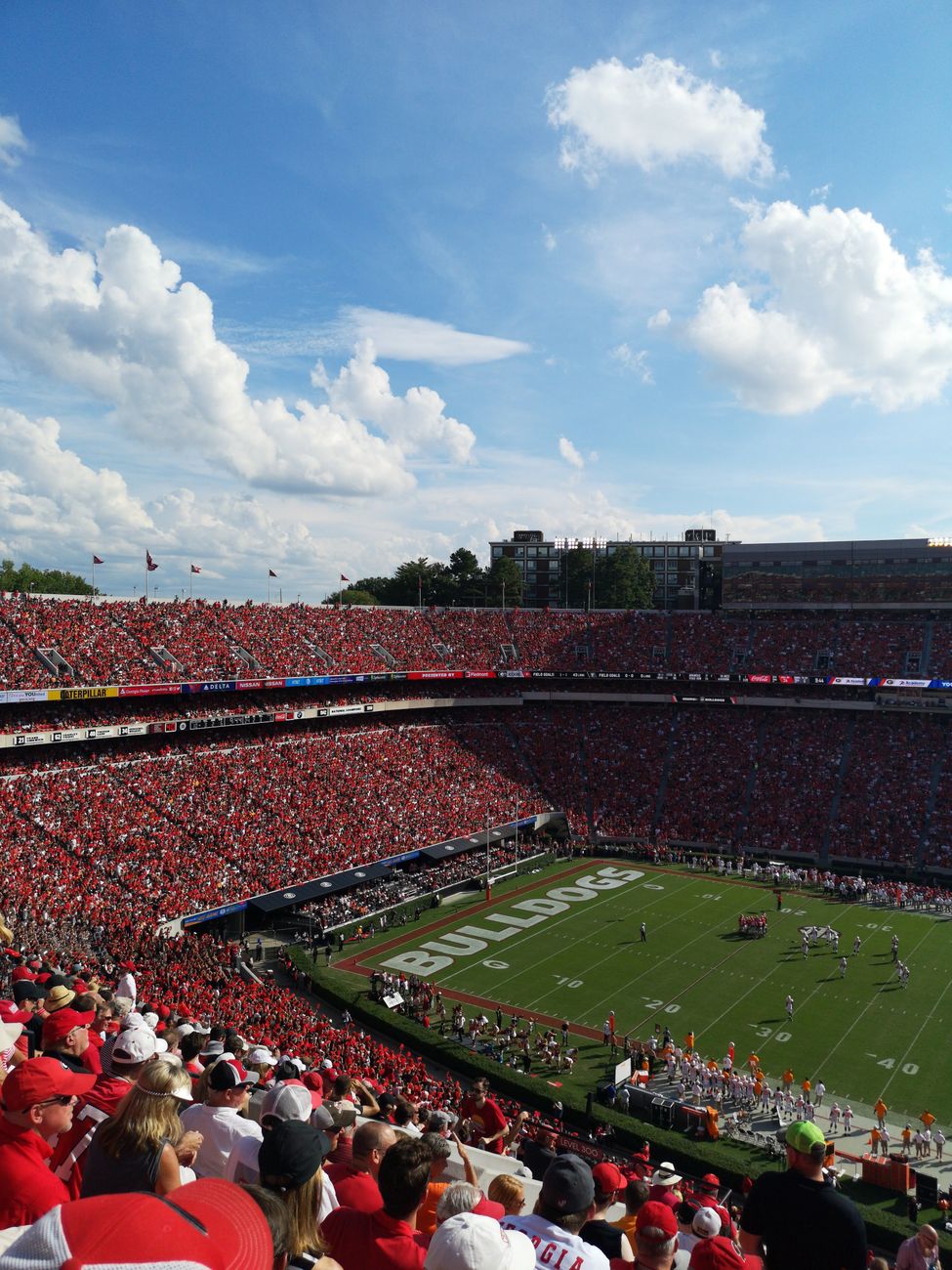
Photo by Tobias Pedersen on Pexels.com

That was the moment I realized some fans aren’t really watching sports anymore. They’re watching their gambling slips.

Growing up, sports were simple. My friends and I argued about who would win, who deserved a championship and which players were the best. Now those conversations sound different.

“Did you hit your parlay?”

“What’s the over-under?”

“Did that touchdown cash your bet?”

Somewhere along the way, the game stopped being enough. Sports betting has exploded across America, becoming one of the fastest growing parts of the sports industry. While gambling has made games more exciting for some viewers, I believe it has changed sports fandom for the worse by shifting attention away from the teams and competition, towards the money. Ever since the Supreme Court legalized sports betting nationwide in 2018, sports gambling advertisements appear during nearly every major sporting event, and betting odds are discussed as frequently as scores and statistics.

There’s nothing wrong with enjoying sports betting responsibly. For many fans, it adds excitement to games they otherwise might not watch. However, when the financial outcome becomes more important than the actual competition, sports begin to lose what made them so special in the first place.

Photo by Pixabay on Pexels.com

The influence of sports betting is hard to ignore. According to Front Office Sports, Americans legally wagered more than $147 billion on sports in 2024, a dramatic increase from just a few years ago. As betting has grown, so has its presence in sports broadcasts. When fans are constantly being encouraged to place bets, it’s no surprise that many begin to focus more on their wagers than the teams they are supposedly supporting.

Sports betting isn’t going anywhere, and I’m not arguing that it should. Adults should have the freedom to place bets if they choose. But as sports gambling becomes more common, fans need to remember why they started watching in the first place. Sports are supposed to be about competition, loyalty and unforgettable moments, not just winning money. If we reach the point where a missed parlay matters more than a championship, then sports betting won’t have improved sports fandom. It will have changed it for the worse.
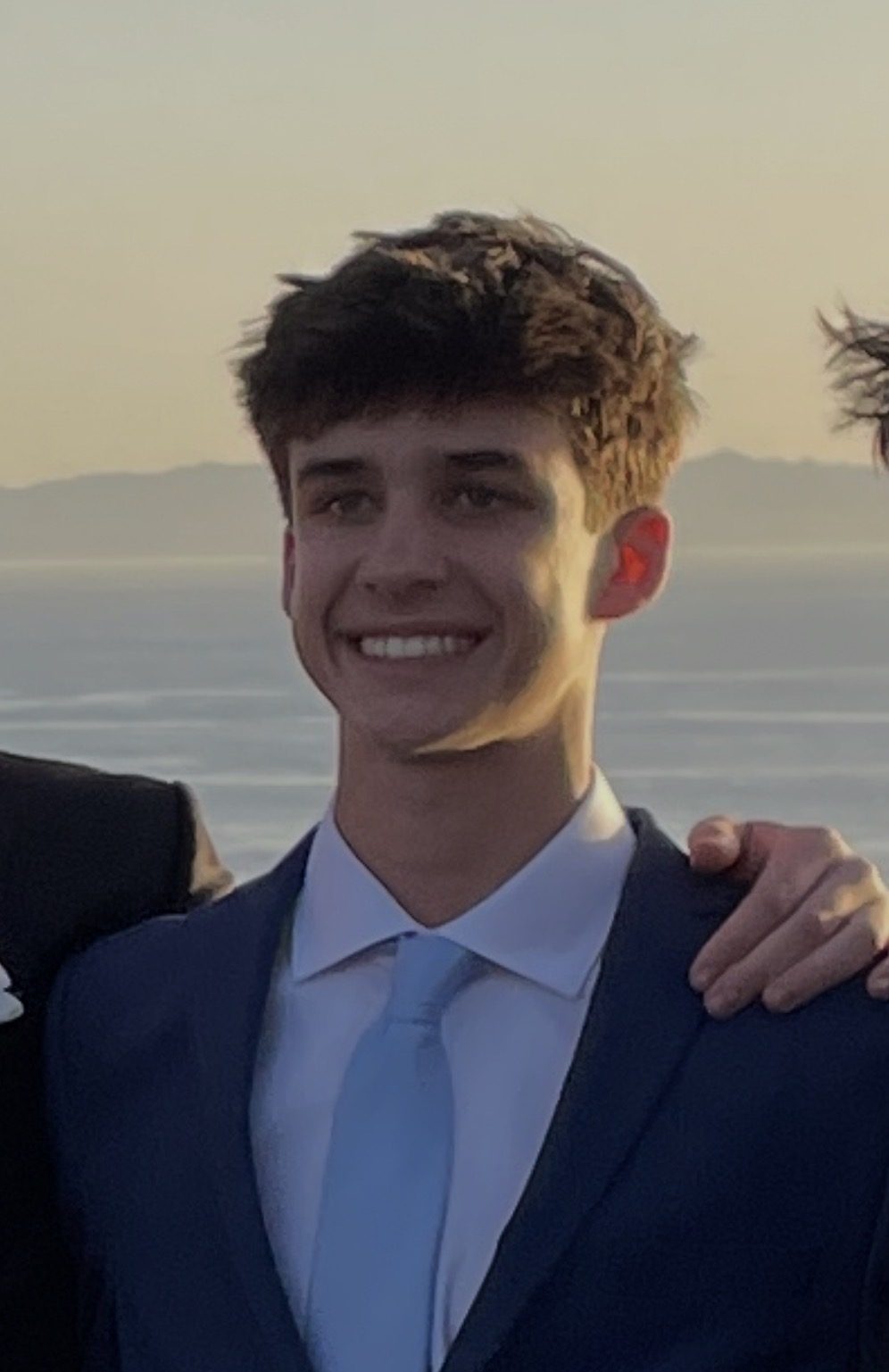
Joe Dennis

By Becket McDuffie
Palos Verdes High School

For years, Joe Dennis was always on call. The news didn’t care if he was spending time with family. And it certainly didn’t care that he was shopping for baby strollers with his wife. “We were shopping for baby strollers when I got a call from my contact at GBI, he said, ‘Hey Joe, I need you to come down to Logansville at 5 o’clock tonight,” Dennis said. Like countless times before, Dennis had a choice to make. He could continue the afternoon with his family, or he could chase the story. Joe explained the situation, saying, “I’m having some family time right now, but this is my job, and I need to do this.” For much of his career, journalism dictated Dennis’ schedule. But experiences like that eventually changed how he viewed the profession and led him toward a new role, teaching the next generation of journalists.

While Dennis eventually left the fast-paced world of daily news reporting, he never left journalism behind. Instead, he found a new way to pursue it through teaching. Today, Dennis helps students understand not only how to report stories, but also how to navigate an increasingly complicated media landscape. “I wanted to continue journalism for something that was on a more regular schedule,” Dennis said. “That’s what led me into teaching.”

While Dennis found a more predictable schedule in teaching, his experiences as a journalist continued to shape the lessons he shared with students. Years spent covering the news also changed the way he viewed information itself. “You are overwhelmed with information. I actually struggled with this,” Dennis said.

Having experienced the effects of information overload himself, Dennis believes quality journalism is more important than ever. In a world dominated by social media, he argues that journalism provides something many online platforms cannot: context.

While social media often delivers information through short clips and individual opinions, journalism requires reporters to gather information from many sources and present a fuller picture of events. “Journalism is rooted in principles that other forms of media aren’t,” said Dennis.

Dennis’ view of journalism has evolved in other ways as well. Early in his career, he believed journalists should strive to be completely unbiased. Over time, however, he came to realize that complete objectivity is impossible. Instead, he believes journalists must recognize their own biases and understand how those biases can influence their reporting.

Although Dennis remains passionate about journalism, the most rewarding part of his career isn’t seeing a story published; it’s seeing where his students end up. Former students have gone on to work for organizations ranging from the NBA to the Savannah Bananas. For Dennis, those successes serve as a reminder that his impact extends far beyond the classroom.”Seeing where some of my students go afterwards and how they make an impact is really cool,” Dennis said, “It’s rewarding to know that I helped them get to where they are today.”

Becket McDuffie

Hello! I’m Becket McDuffie, a rising junior at Palos Verdes High school, California. I am heavily involved in my school whether it be lacrosse, academics, or clubs. I am a part of a national charity league where I can serve my community and do my real passion, which is helping others. This correlates perfectly with my passion for journalism, which began with my middle school teacher Mrs. Demerjian who taught Sea King News, the schools news program. At first I just took the class because I heard it was easy and I didn’t have to do anything, but my teacher slowly pushed me to create news packages around the school. I began to enjoy finding the story in things and in people and was eager to learn more. I became the anchor for the schools news show and that is when I figured out this is what I wanted to do in my future.

Fast forward to high school, I tried out for Live From 205, one of the top-ranked broadcast journalism programs in the country, knowing I had a very slim chance of making it. Everybody knew that freshmen never made it, but somehow, with the help of Mrs. Demerjian, I became one of two freshmen in the class. Being one of the only freshmen was tough in a class full of seniors, but I had an amazing teacher in Mr. Beaucar to guide me. Over my first two years, I was a sports reporter. I reported on sports games, learned how to find a story in anybody, and how to work in teams to meet a deadline.

At the end of my sophomore year I decided to take another leap. I tried out for general news anchor which was a position in the past that had always gone to a senior. Once again I did not expect to make it, but somehow, I landed the position. So next year, I will be the second ever junior general news anchor in the program. I will continue to take risks and grow, and hope to study journalism either as a major or a minor at a four year university.