
June, 9, 2026
By Uri Powell
Alpharetta High School
Are college athletes perfect? Some assume so, some disagree.
College athletes have some of the most pressure placed on them every game. Especially college athletes who strive in football or baseball. Athletes who play football or baseball have the expectations from their teams, of the likes of a MLB (Major Baseball League) , and a NFL (National Football League) athlete over their heads. Even when they aren’t on the field, their minds are running back and forth about their performance, practice, or anything to do with their athletic scholarships.
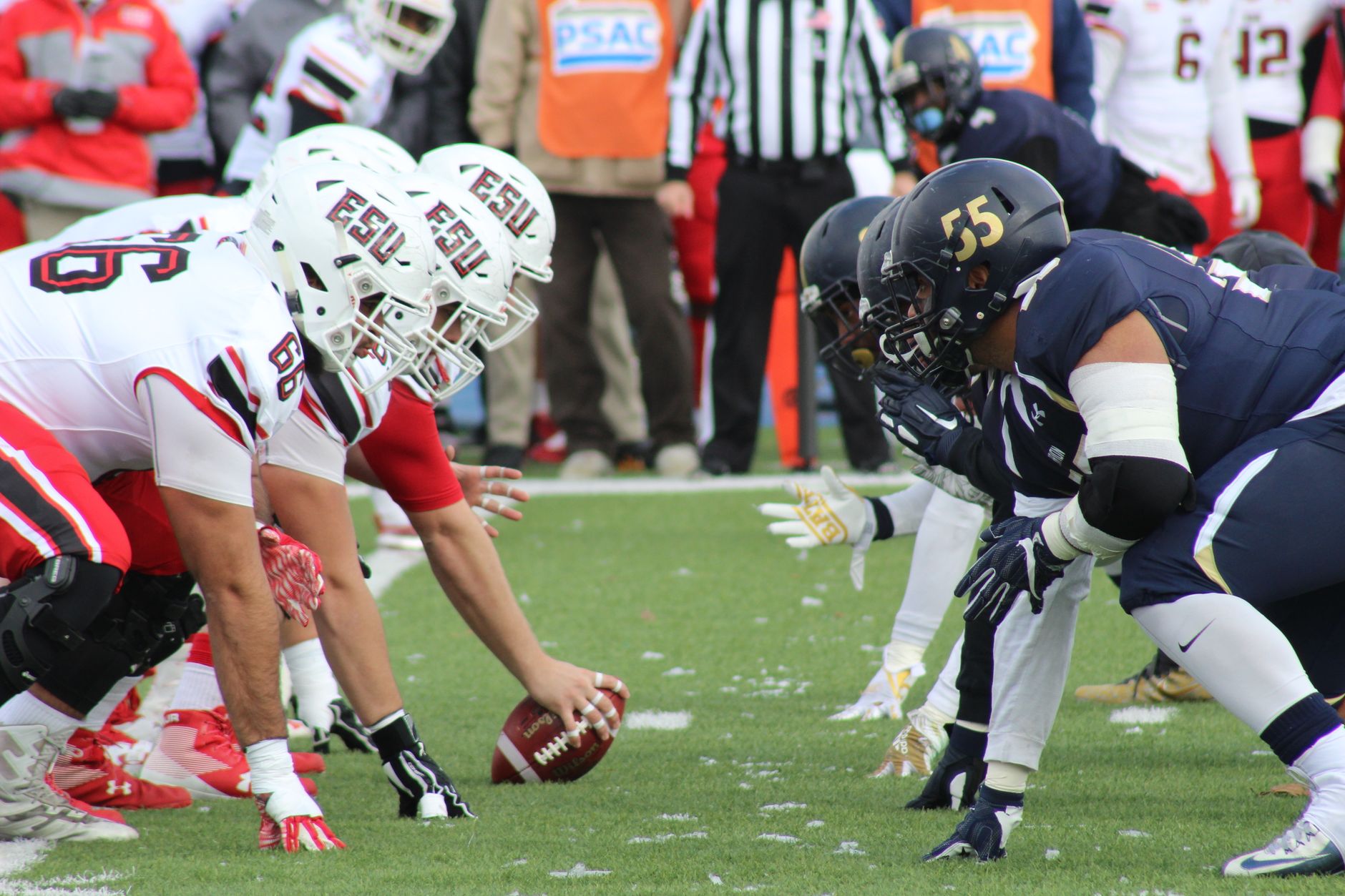
Sports can easily have a huge psychological effect on someone. Stress, Depression, Burnout, Substance Abuse, and more. Athletes usually develop these to survive under the pressure of reality and live up to the standards of fellow team mates and coaches. In Oct. 2023, Brown University held a studying discovered that around 30% of college athletes will eventually quit their sport due to physical and mental exhaustion. As many colleges across the country notice this behavior in their athletes, they try to ensure that their athletes maintain stable mental health by having equitable access to counselors and other comfort sources to improve and uphold their performance. Even though student athletes have resources to turn to if they’re struggling, they can quite easily be replaced if a coach suspects the player constantly struggling, this creates hesitation for players to reach out for help while knowing it could cost them they’re athletic career. As football players miss classes for practice, and baseball players miss so many hours of school due to sport travel and packed schedules. Academic pressure can increase on the athlete due to these rules.
If a college athlete is falling behind in academic performance, they are legally required to be benched until their grades reach standards again due to the National College Players Association. On field performance can cause exhaustion and stress which can lead to severe sleep loss from worrying. Being unable to sleep can greatly impact an athletes grades. Their grades can begin decline drastically which can lead to the legal ineligibility to play causing them become benched during games. After this process, it’s also very likely that the athletes will turn to substitutes to fill loose time which leads to substance abuse and mental exhaustion.
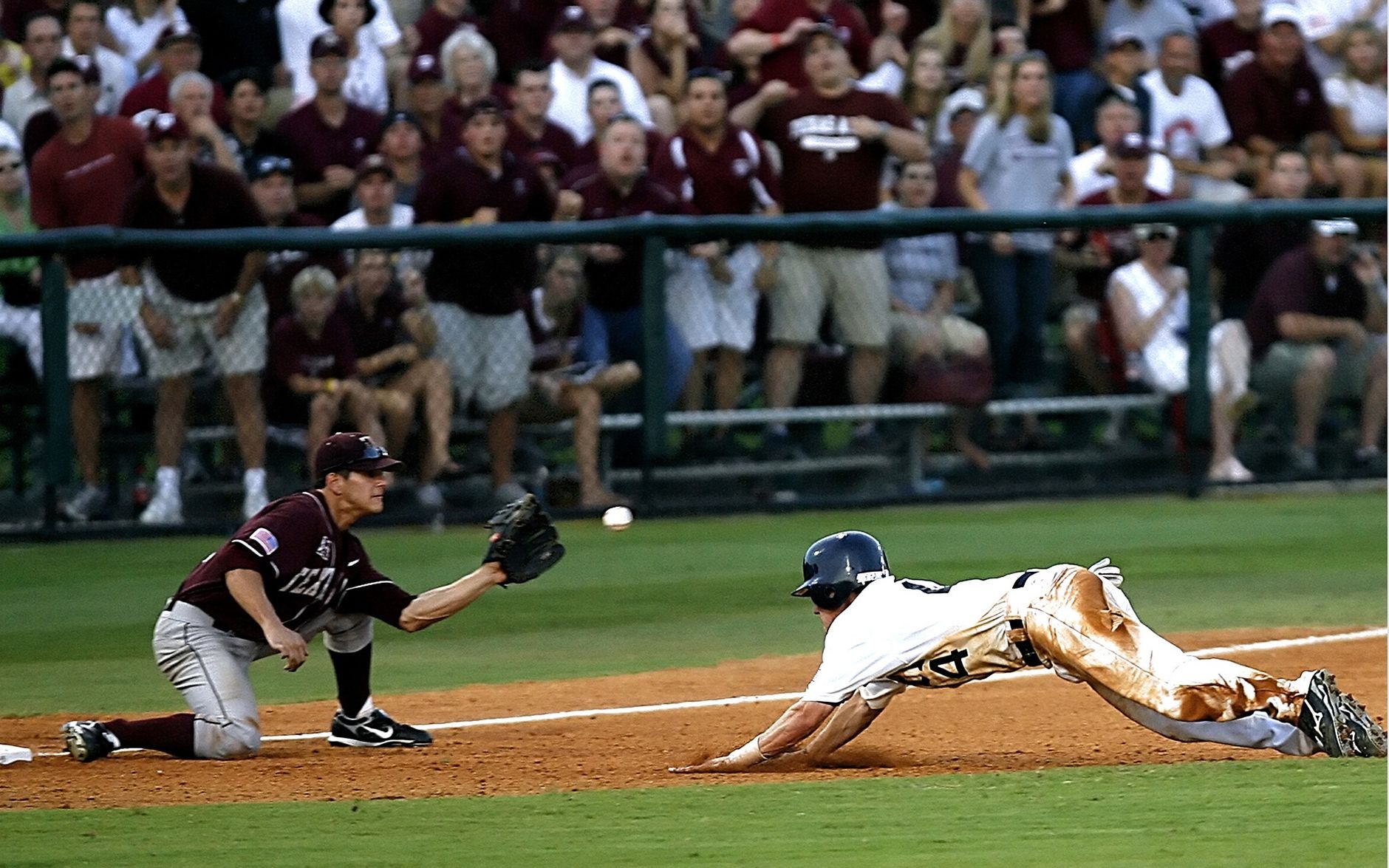
Although for baseball, it’s a bit different. Baseball players do need as much required academic excellence as college football does. College football usually only competes on Saturdays, baseball is a constant fast paced grind. A regular baseball season can average up to 56 games in a single semester. With this information, This can mean four to five baseball games per week with consistent travel and practices. While football must earn 9 credits during their fall semester to be considered for next years team. In baseball, they must earn only 6 credits during the fall semester to become eligible for next years team. Another challenge is that the NCAA Regionals are held in late April and early May, which are also the times colleges and universities are holding all final exams. This can cause tremendous stress among student athletes.
In Dec. 2023, the NCAA Student-Athlete Health and Wellness Study conducted a study for college athletes. It was shown that up to 45% of college athletes experience constant mental stress due to intense athletics, around 24% experience clinical depression, and over 55% participate in heavy substance abuse. This data clearly demonstrates how college athletes are affected by the industry.
College American Football, Golf and Cheerleading are a couple of the most mentally demanding sports while college baseball is one of the most strategic team sports. College football and baseball are two of the most fan hyped sports in the world. College sports are the most watched and cheered for sports in America at the moment. So maybe college athletes aren’t perfect, and they don’t always win, but they try their best.


