
By Jeremiah McKinney
North Cobb High School
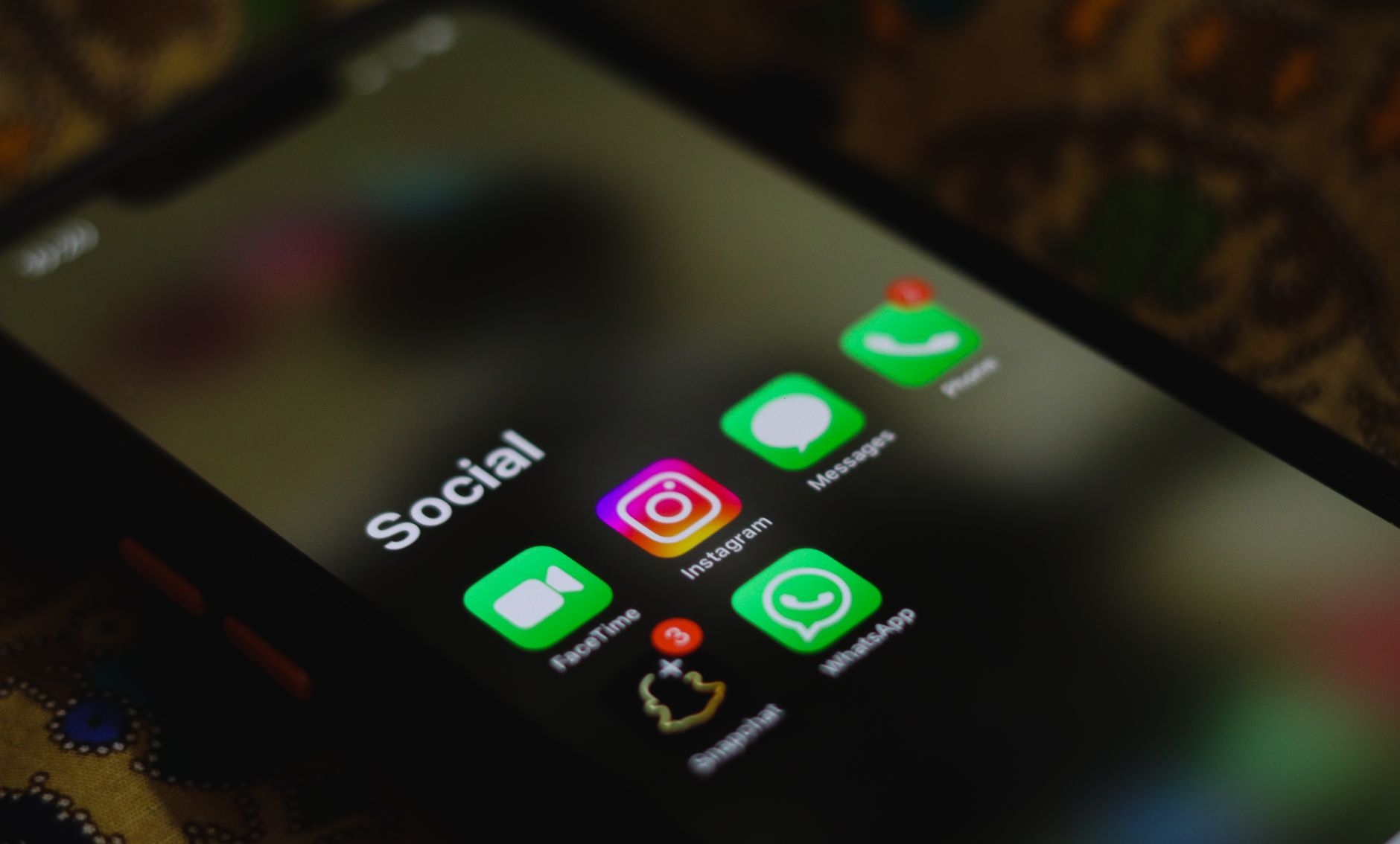
A single notification. A quick glance at a phone. A few minutes spent scrolling through a social media feed. For millions of people, this routine seems harmless, yet it often turns into hours of continuous engagement. Social media has become deeply integrated into modern life, transforming the way people communicate, consume information and interact with the world around them. However, researchers have increasingly begun to question whether these platforms are simply tools for connection or systems deliberately designed to capture and maintain users’ attention. As rates of social media use continue to rise, scientists are examining the psychological and neurological mechanisms behind this behavior, revealing striking similarities between excessive social media use and other forms of addiction. Understanding the science behind social media addiction is essential for recognizing its effects on mental health, behavior and daily life.
“We’re all vulnerable to social approval,” said Tristan Harris, a former Google design ethicist and co-founder of the Center for Humane Technology, in an interview with Big Think. Harris argues that social media platforms are intentionally designed to take advantage of basic human psychology, particularly the desire for connection, validation and acceptance. According to the Cleveland Clinic, social media interactions can trigger the release of dopamine, a neurotransmitter associated with feelings of pleasure and reward. Each like, comment and notification provides a small sense of satisfaction, encouraging users to repeatedly return to their devices. The Cleveland Clinic also notes that these rewards can become habit-forming because they are unpredictable, resembling the reward systems commonly associated with gambling. Rather than simply serving as tools for communication, social media platforms have evolved into systems that continuously compete for users’ attention. As a result, what begins as casual social media use can gradually develop into compulsive behavior that many users struggle to recognize and control.
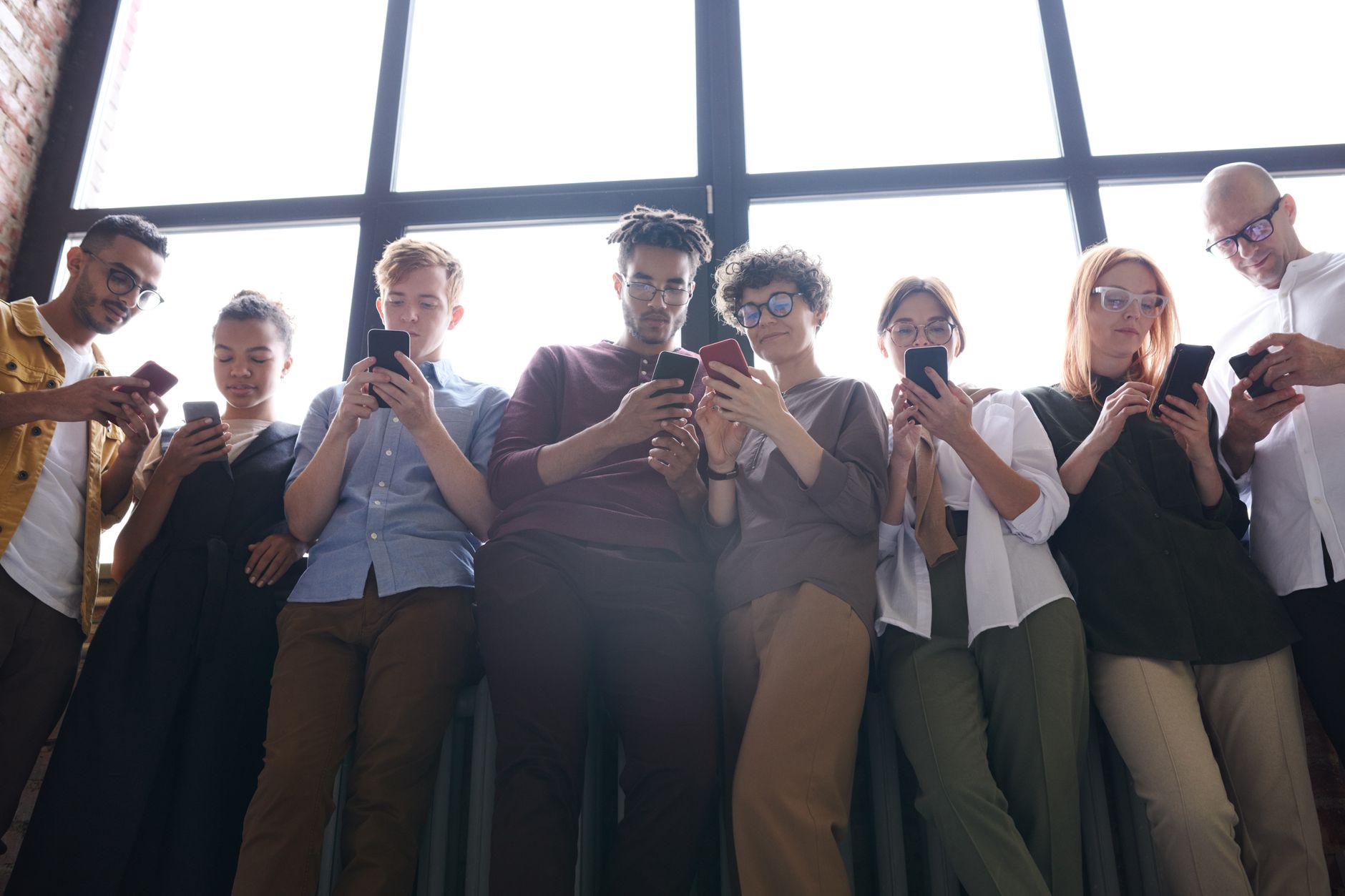
The consequences of social media addiction extend far beyond excessive screen time. According to the American Psychological Association (APA), heavy social media use has been associated with increased levels of anxiety, depression and loneliness among adolescents and young adults. Researchers suggest that constant exposure to carefully curated online content can encourage unhealthy comparisons and negatively affect self-esteem. These findings were reflected in interviews conducted with North Cobb High School senior Lidia Sidorova. When asked about a time she realized social media was affecting her life more than it should, Sidorova recalled the COVID-19 pandemic and the feelings of exclusion that came from constantly viewing the lives of others online.
“I knew that social media shouldn’t be making me feel bad,” Sidorova said.
Social media addiction can also affect students’ ability to focus and succeed academically. According to a study published by the National Library of Medicine, excessive social media use has been linked to decreased attention spans, lower academic performance and increased procrastination among students. The constant stream of notifications, videos and online interactions can make it difficult for users to maintain focus on schoolwork for extended periods of time. This concern was echoed by North Cobb High School senior Sebastian Zambrano, who said his frequent use of short-form content on platforms such as TikTok and Instagram Reels contributed to a decrease in his attention span. When asked whether social media helps or hurts academic performance, Zambrano said it primarily hurts students because of how distracting it can be. While social media can provide educational resources and opportunities for communication, research suggests that excessive use often interferes with concentration and productivity, making it more difficult for students to perform at their full potential.
Despite the risks associated with excessive social media use, many researchers acknowledge that social media is not entirely harmful. According to the Pew Research Center, social media allows users to maintain relationships, access information and connect with communities they may not otherwise encounter. The impact of social media often depends on how it is used and the amount of time spent on these platforms. This perspective was shared by Sidorova once again, who said social media can have both positive and negative effects on mental health and academic performance depending on how it is used. While social media can provide opportunities for communication, creativity and learning, experts warn that problems arise when usage becomes excessive and begins to interfere with daily responsibilities, relationships and overall well-being. Understanding this balance is essential when examining the growing concern surrounding social media addiction.
As social media continues to play an increasingly important role in everyday life, understanding the science behind its addictive nature has become more important than ever. Research from organizations such as the Cleveland Clinic, the American Psychological Association and the National Library of Medicine suggests that social media platforms can influence the brain’s reward system, affect mental health and impact academic performance. The experiences shared by Lidia Sidorova and Sebastian Zambrano further demonstrate that the effects of social media addiction are not limited to research studies but are evident in the lives of students who use these platforms daily.

Although social media has transformed the way people communicate, learn and share information, its addictive nature cannot be ignored. The research demonstrates that social media platforms are designed to capture attention by appealing to the brain’s reward system, while the experiences of students such as Sidorova and Zambrano highlight the real-world effects these platforms can have on mental health, attention spans and daily life.
As social media continues to evolve, users must become more aware of how these platforms influence their behavior and develop healthy habits that promote balance rather than dependence. Understanding the science behind social media addiction is not simply about limiting screen time. It is about recognizing how technology affects human behavior and ensuring that people remain in control of the platforms they use, rather than allowing those platforms to control them.


