Hooked on the Scroll.

Photo by Sanket Mishra on Pexels.com

By Jeremiah McKinney
North Cobb High School

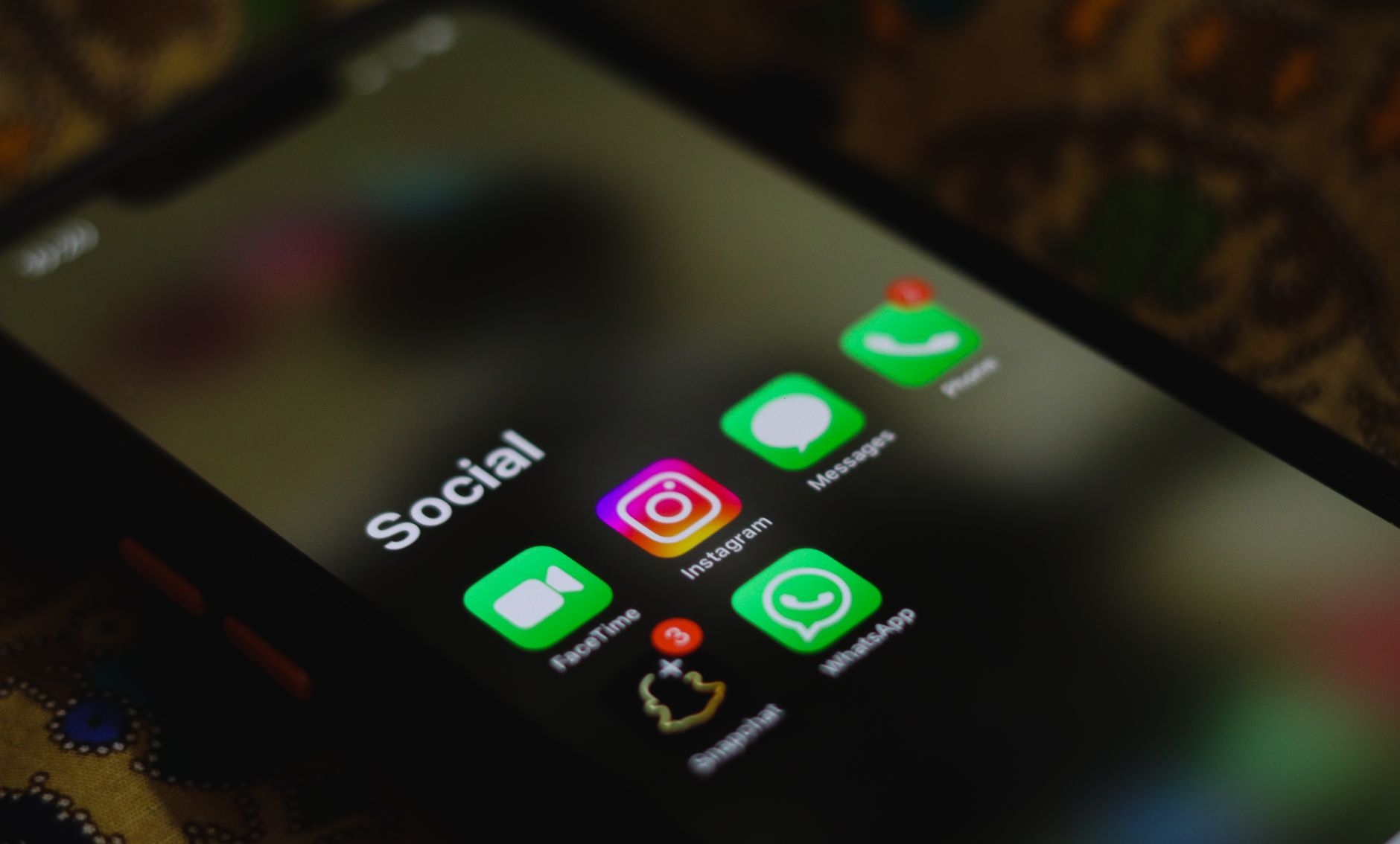
A single notification. A quick glance at a phone. A few minutes spent scrolling through a social media feed. For millions of people, this routine seems harmless, yet it often turns into hours of continuous engagement. Social media has become deeply integrated into modern life, transforming the way people communicate, consume information and interact with the world around them. However, researchers have increasingly begun to question whether these platforms are simply tools for connection or systems deliberately designed to capture and maintain users’ attention. As rates of social media use continue to rise, scientists are examining the psychological and neurological mechanisms behind this behavior, revealing striking similarities between excessive social media use and other forms of addiction. Understanding the science behind social media addiction is essential for recognizing its effects on mental health, behavior and daily life.

“We’re all vulnerable to social approval,” said Tristan Harris, a former Google design ethicist and co-founder of the Center for Humane Technology, in an interview with Big Think. Harris argues that social media platforms are intentionally designed to take advantage of basic human psychology, particularly the desire for connection, validation and acceptance. According to the Cleveland Clinic, social media interactions can trigger the release of dopamine, a neurotransmitter associated with feelings of pleasure and reward. Each like, comment and notification provides a small sense of satisfaction, encouraging users to repeatedly return to their devices. The Cleveland Clinic also notes that these rewards can become habit-forming because they are unpredictable, resembling the reward systems commonly associated with gambling. Rather than simply serving as tools for communication, social media platforms have evolved into systems that continuously compete for users’ attention. As a result, what begins as casual social media use can gradually develop into compulsive behavior that many users struggle to recognize and control.
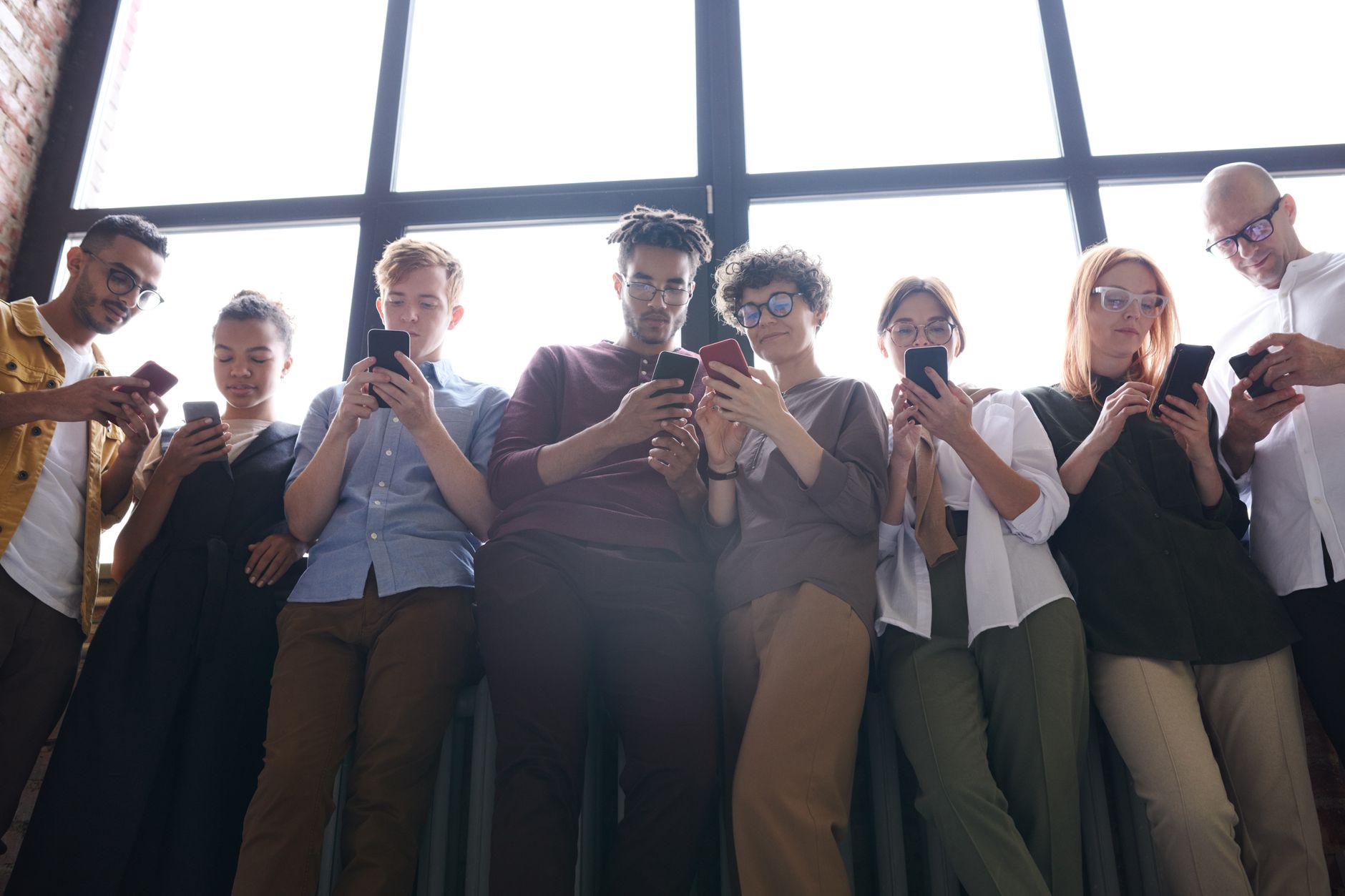
Photo by fauxels on Pexels.com

The consequences of social media addiction extend far beyond excessive screen time. According to the American Psychological Association (APA), heavy social media use has been associated with increased levels of anxiety, depression and loneliness among adolescents and young adults. Researchers suggest that constant exposure to carefully curated online content can encourage unhealthy comparisons and negatively affect self-esteem. These findings were reflected in interviews conducted with North Cobb High School senior Lidia Sidorova. When asked about a time she realized social media was affecting her life more than it should, Sidorova recalled the COVID-19 pandemic and the feelings of exclusion that came from constantly viewing the lives of others online.
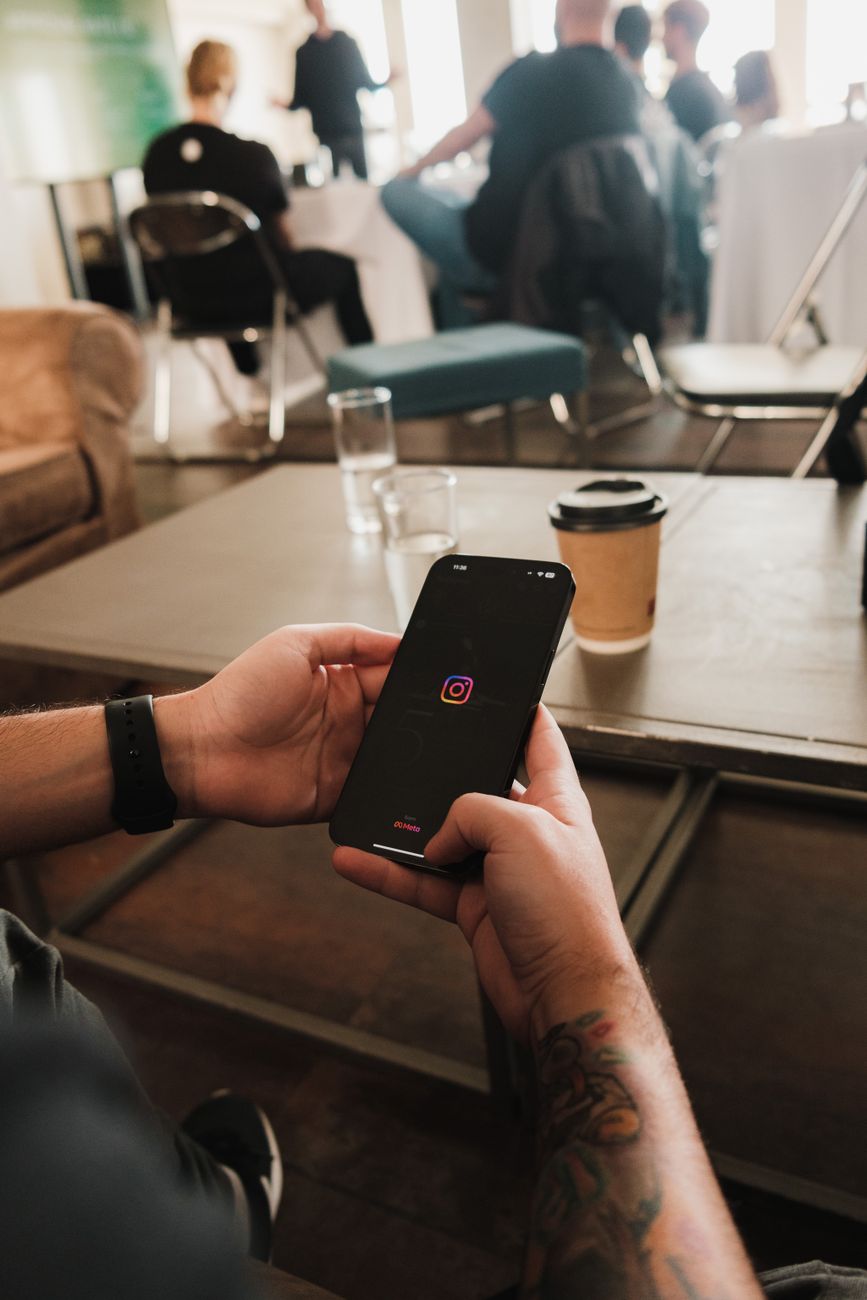
Photo by Airam Dato-on on Pexels.com

“I knew that social media shouldn’t be making me feel bad,” Sidorova said.

Social media addiction can also affect students’ ability to focus and succeed academically. According to a study published by the National Library of Medicine, excessive social media use has been linked to decreased attention spans, lower academic performance and increased procrastination among students. The constant stream of notifications, videos and online interactions can make it difficult for users to maintain focus on schoolwork for extended periods of time. This concern was echoed by North Cobb High School senior Sebastian Zambrano, who said his frequent use of short-form content on platforms such as TikTok and Instagram Reels contributed to a decrease in his attention span. When asked whether social media helps or hurts academic performance, Zambrano said it primarily hurts students because of how distracting it can be. While social media can provide educational resources and opportunities for communication, research suggests that excessive use often interferes with concentration and productivity, making it more difficult for students to perform at their full potential.

Despite the risks associated with excessive social media use, many researchers acknowledge that social media is not entirely harmful. According to the Pew Research Center, social media allows users to maintain relationships, access information and connect with communities they may not otherwise encounter. The impact of social media often depends on how it is used and the amount of time spent on these platforms. This perspective was shared by Sidorova once again, who said social media can have both positive and negative effects on mental health and academic performance depending on how it is used. While social media can provide opportunities for communication, creativity and learning, experts warn that problems arise when usage becomes excessive and begins to interfere with daily responsibilities, relationships and overall well-being. Understanding this balance is essential when examining the growing concern surrounding social media addiction.

As social media continues to play an increasingly important role in everyday life, understanding the science behind its addictive nature has become more important than ever. Research from organizations such as the Cleveland Clinic, the American Psychological Association and the National Library of Medicine suggests that social media platforms can influence the brain’s reward system, affect mental health and impact academic performance. The experiences shared by Lidia Sidorova and Sebastian Zambrano further demonstrate that the effects of social media addiction are not limited to research studies but are evident in the lives of students who use these platforms daily.
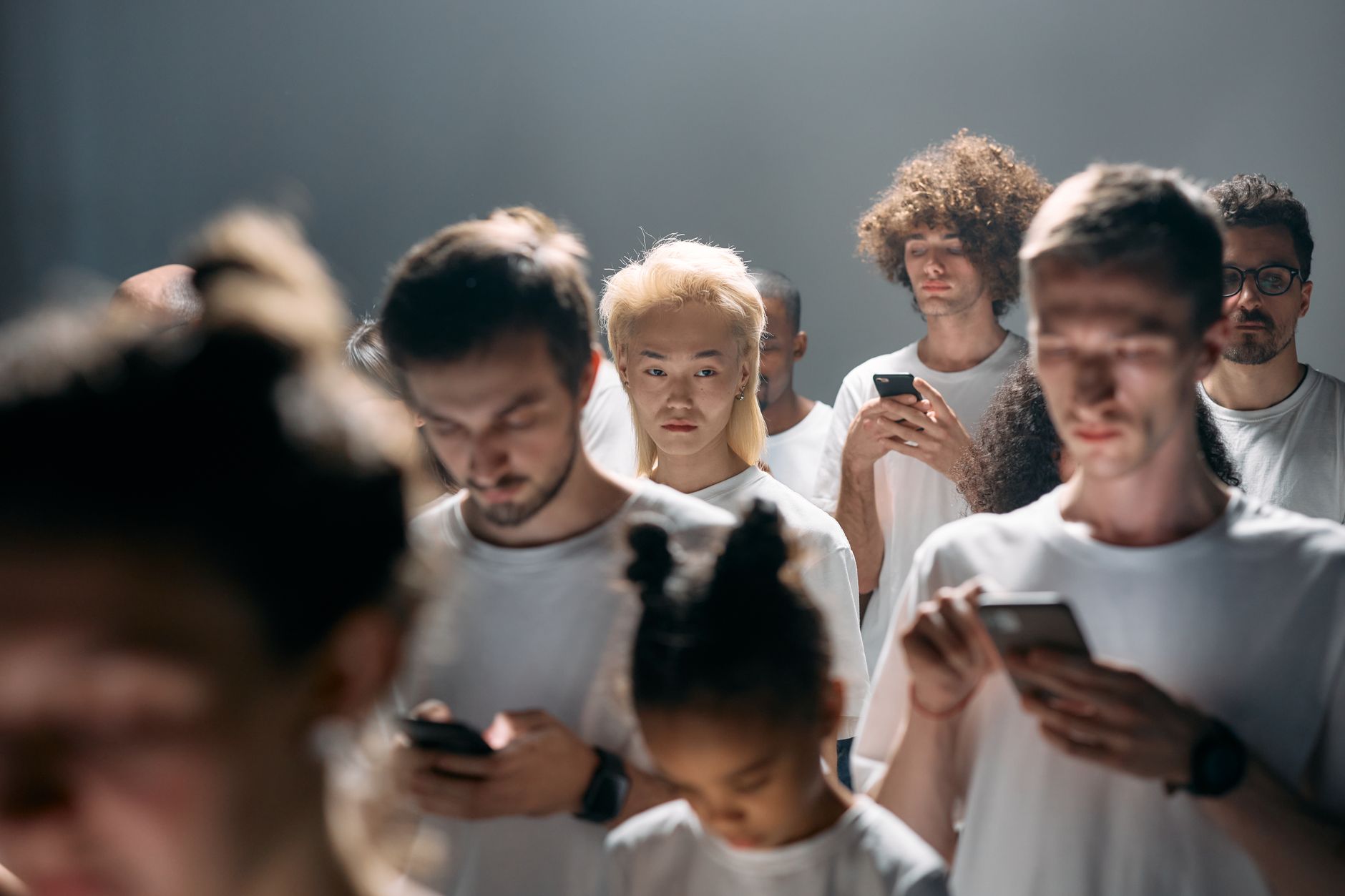
Photo by cottonbro studio on Pexels.com

Although social media has transformed the way people communicate, learn and share information, its addictive nature cannot be ignored. The research demonstrates that social media platforms are designed to capture attention by appealing to the brain’s reward system, while the experiences of students such as Sidorova and Zambrano highlight the real-world effects these platforms can have on mental health, attention spans and daily life.

As social media continues to evolve, users must become more aware of how these platforms influence their behavior and develop healthy habits that promote balance rather than dependence. Understanding the science behind social media addiction is not simply about limiting screen time. It is about recognizing how technology affects human behavior and ensuring that people remain in control of the platforms they use, rather than allowing those platforms to control them.


Education Shouldn’t Come With a Lifetime of Debt…

Photo by Pixabay on Pexels.com

By Jeremiah McKinney
North Cobb High School

Ever since I was a kid, college was never presented as an option. It was presented as the next step. Work hard, get good grades and get accepted into a university that helps build a successful future. That was the message I heard from teachers, parents and society for years. It wasn’t until I started looking at tuition costs, housing fees and student loan statistics that I realized pursuing an education could also mean taking on a financial burden that follows students long after they walk across the graduation stage.

The more I researched colleges, the more overwhelming the process became. What once seemed like an exciting milestone quickly turned into a series of questions about affordability. How much debt is too much debt? Is a degree worth tens of thousands of dollars? How many years will it take to pay off students loans after graduation? These are questions that many students are forced to consider before ever stepping foot on a college campus, and they highlight a growing problem with the cost of higher education in the United States.

College is no longer just about paying for classes. Students are expected to cover tuition, housing and meal plans. None of that even helps cover the cost for supplies which can quickly drive up the total cost of attendance. For many families, these expenses are unrealistic to pay out of pocket. As a result, student loans have become the norm rather than the expectation. Instead of graduating with a sense of financial freedom and opportunity, many students leave college carrying debt that can take years or even decades to repay.


Photo by Tara Winstead on Pexels.com

The impact of student debt does not end at graduation. Many graduates enter the workforce already owing thousands of dollars, forcing them to make major life decisions based on their financial situation. Buying a home, starting a family or saving for retirement can become far more difficult when a significant portion of a paycheck goes toward loan payments. Rather than beginning adulthood with a strong financial foundation, many graduates spend years trying to recover from the cost earning their degree.

The impact of student debt extends far beyond graduation. According to Forbes Advisor, Americans collectively owe approximately $1.75 trillion in student loan debt, making it one of the largest forms of consumer debt in the country. Forbes advisor also reports that the average federal student loan borrower owes more than $35,000. These numbers highlight how common it has become for students to take on significant financial burdens in order to earn a degree. Rather than entering the workforce with financial freedom and opportunity, many graduates begin their adult lives focused on repaying loans that can take years or decades to eliminate. As college costs continue to rise, the question becomes not whether students will face debt, but how much debt they will be forced to carry.

Photo by Nicola Barts on Pexels.com

Perhaps the most concerning aspect of rising college costs is that they discourage students from pursuing higher education altogether. According to the Nation Center for Education Statistics (NCES), concerns about affordability are among the most common reasons students choose not to attend a four-year institution. Many students are forced to settle for school they did not originally want to attend, while others delay college or avoid it completely because of the financial burden. Education should be an opportunity available to anyone willing to work for it, not a privilege reserved for those who can afford increasingly expensive tuition bills.

Higher education has long been viewed as a pathway to opportunity, personal grown and career success. However, as tuition and other college expenses continue to rise, that opportunity is becoming increasingly difficult for many students to access. While earning a degree remains important, students should not have to sacrifice their financial future in order to receive an education. Colleges, lawmakers and educational institutions must work toward making higher education more affordable so that future generations can focus on learning and building successful careers rather than worrying about years of debt. Education should open doors, not create financial barriers that prevent students from reaching their full potential.

Finding Her Voice Through Journalism : Featuring Morgan Hardy

By Jeremiah McKinney
North Cobb High School

From launching a high school newspaper to helping produce an Emmy Award-winning documentary, Morgan Hardy has dedicated her journalism career to telling meaningful stories that make a difference. What began as an interest in morning show broadcasts during middle school grew into a passion that continued through high school and into college. Through internships, researching and in depth reporting, Morgan has worked to demonstrate that journalism has an impact on society. Now pursuing a masters degree in journalism and mass communications at the University of Georgia, she continues to build a career centered on uncovering stories that matter and sharing them with audiences through innovative digital media.

“It’s always been something I’ve always wanted to do,” said Hardy.

Long before producing digital content and gaining recognition for her work, Morgan was the kid that never wanted to miss the news. Breaking news especially caught her attention. “Every time breaking news was on I was like, oh my gosh turn everything off, we’re watching breaking news.”

She often found herself watching broadcasts with curiosity. While others focused on the events unfolding on the screen, Morgan became interested in the people behind the stories. She wanted to know who wrote the scripts, gathered all the information and delivered the news to audiences. “I would sit in my dad’s office and watch MSNBC and I’m like I want to be up there, I want to write their script.”

That early fascination with journalism eventually led her towards a career dedicated to story telling and informing communities.

Morgan’s interest in journalism soon became more than just watching the news. In middle school, she joined her school’s morning show broadcast, giving her a firsthand look at what it was like to help create content for an audience. That experience continued into high school where she spent four years on the journalism staff. During her first two years, she worked in broadcast journalism for the daily news announcements before expanding into other forms of storytelling.

As her skills and confidence grew, Morgan took on a larger role within her school’s journalism program. She helped launched the school’s newspaper and began producing digital content for its website, including video and audio stories. Through these opportunities, she discovered a passion for multimedia storytelling and connecting with audiences through different forms of media.

Morgan’s passion for storytelling continued at the University of Georgia Grady College of Journalism and Mass Communication. Throughout her undergraduate career, she gained valuable professional experience through internships and digital media projects. Working with organizations such as the Oglethorpe Echo and The Christian Index, she created content and analyzed audiences’ engagement and developed strategies to connect with readers across digital platforms. “If I have not gone to UGA, I don’t think I would be able to do something of this magnitude,” said Hardy. These experiences helped her strengthen the skills she had developed in the classroom while preparing her for a career in journalism.

One of the most meaningful experiences of Morgan’s career came during her work on the documentary “We Will Rise: The story of the Apalachee High School Shooting.” As a social media producer, she conducted research, interviewed sources and helped create content that shared the story of a community facing tragedy. “It was really tough to set my emotions aside knowing it’s going to hurt.”

Working alongside her team, Morgan helped tell a story that not only informed audiences, but also honored those affected by the event. The documentary later earned a student production Emmy award, marking a major milestone in her journalism journey.

Now entering her second year as a graduate student at the University of Georgia, Morgan continues to build on the passion that first began while watching breaking news as a child. Through internships, digital storytelling and award- winning projects, she has remained committed to informing communities and telling stories that matter. As she continues her journey in journalism, Morgan hopes to use her skills to make a lasting impact through meaningful and engaging storytelling. “You won’t know until you try.”

Jeremiah McKinney

Hey, I’m Jeremiah! I am currently a rising senior at North Cobb High school which is where I am studying and learning to major in journalism at university. I am on the Media Team for The Chant which is the schools newspaper at NC. I live in Acworth, Georgia. I’m 17 years old and I play the trombone in band. I am very passionate and involved with my hobbies! I have been in band for 6 years. Since 6th grade, four of those years I have been spent in Marching Band which is where I spend most of my time.

I always had a passion for writing, so journalism has always been an option for me. I decided to give it a chance last year and I am so glad I did since it has become a true passion for me now. I have learned so many things and I can feel how much it has helped me improve my writing and creativty skills in the best ways possible. I always have so much fun with anything I do. I am consistently trying to improve and make everything to the highest quality possible. While having a hint of my personality within it.

With me starting my pathway going into journalism last year, I have already won multiple awards for my work. Since I am on the Media Team at NC, I mainly do things like videos, podcasts and all the artwork for the team. I love recording and editing videos. Since I have a lot of experience with it, you can always find me doing it when I have the chance when I am not playing the trombone. One video piece I have done that I would love to show off is my Game day with the North Cobb Marching Band, which won an award. This was a clear sign for me to go deeper into journalism since this was the first thing I have ever done in the world of journalism for The Chant. Which made it feel even more rewarding.

Another piece I have done is my investigative journalism piece titled The true cost of school where I talk about, well the cost of school. I put so much time into this and I think personally that the time and effort I put into it truly shows. I got to speak with professionals about the topic which was really cool. I interviewed book authors and public speakers for this topic so the information is as true and clear as possible. Another sign to continue my passion into journalism was winning an award for this investigative piece.

For band, I am a section leader / operations manager for the low brass section. Having leadership experience with the band helped me with journalism in a way that’s hard to put into words. I love both with a passion, but the band story would have to be a whole story in itself. It helped set me up to be even more successful in the journalism world. My goal is to make an impact with my work, I want people to see my love and passion through the words I say. I try my best to make my stories interesting and make life out of everything I do.

This whole process lead me to becoming the Media editor for The Chant, I will be the one reading and editing all of the media works before they are moved on to be posted. I can’t wait to start this next chapter and see what else it unlocks! I have already learned so much, and I can’t wait to continue to grow and use the skills I have learned.