
The Lasting Affects of Slavery on the Black Community

By NaAbena Nyarkowaa-Kusi
Gwinnett School of Mathematics, Science, and Technology

Chattel slavery, which consisted of the violent capture and enslavement of Africans, commenced the dehumanization of black people around the world. 161 years later, what seems like a distant memory of tragic events continues to affect the black community.

“We may be five to six generations removed from the horrors of slavery, but the trauma of enslavement has been carried by African Americans through the ages” says therapist Dr. Erica Wilkins. “The system of slavery was predicted on the belief that African Americans are inferior, and that systematic inequality still persists today.”

Psychologist also note that that black patients are more prone to schizophrenia and depression but due to misdiagnoses these patients are less likely to get the help they need and their cases go untreated . Yvonne Owusu, a psych nurse partitioner at Northern Virginia mental health institute, states that these mental illnesses are commonly seen in the black community due to “Racism, bullying, etc. are situational factors that contribute to depression”

But how does this tie into slavery? CapitalBnews writes in an article that “Enslavers went to great lengths to prevent physicians from treating enslaved africans ailments, frequently accusing them of “malingering.” It’s nothing new that black patients pain is ignored. That same article later states “It’s estimated that around 8.8 million black Americans died prematurely between 1900 and 2015 because of the racial health gap,” the same racial gap that had already deemed black people as “genetically different” for 100s of years.
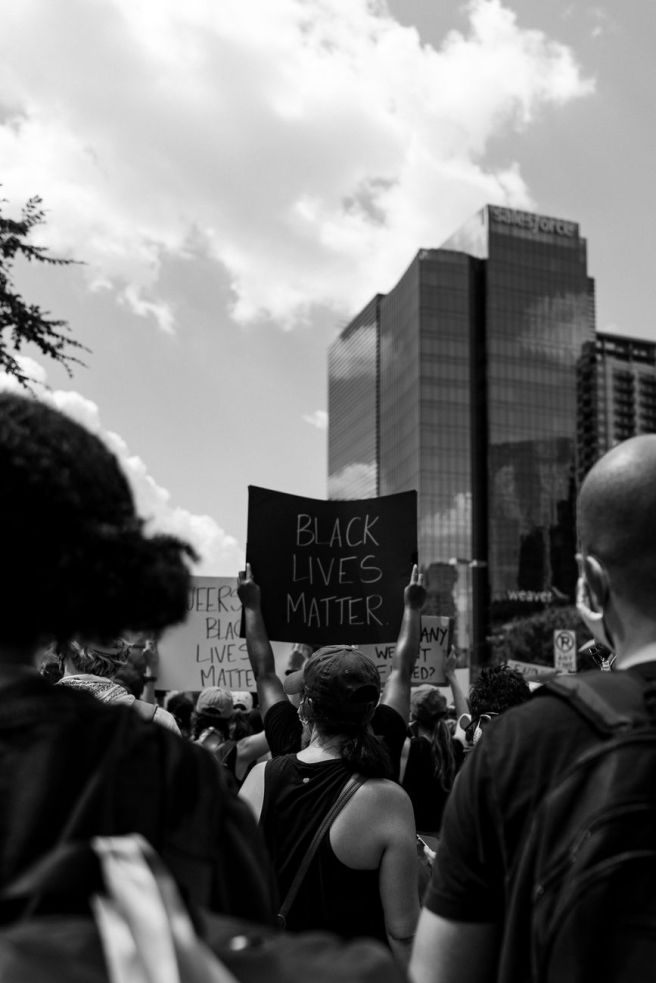
Photo by Lan Johnson on Pexels.com

The discrimination doesn’t stop at America, thousands of miles away in the continent of Africa, black africans continue to suffer due to slavery’s affects. The brutal capturing of 12 million young African men and women took away the possibility of development in Africa and replaced it with damaging systems put in place by colonizers. A Fairplanet article says “The most pronounced impact of slavery on contemporary Africa is racism and skewed value judgements that created class, social status and respect based on colour.” Another paragraph states that “Researchers argue that there would have been 112 million more africans if there was no slave trade.” This population would have increased Africas development but without it the continent fell behind.

400 years ago, the transatlantic slave trade began and with it came racism. Although this racism is still prevalent in today’s society, the black community continues to work toward healing. In 1964 Malcolm X said that “we declare our right on this earth, to be a man, to be a human being, to be respected as a human being, in this society, on this earth, in this day and night, which we intend to bring into existence by any means necessary.” 62 years later the black community is still fighting for the respect Malcolm X spoke of, the peace black children dream of, and the end of a racist era black people still suffer from.
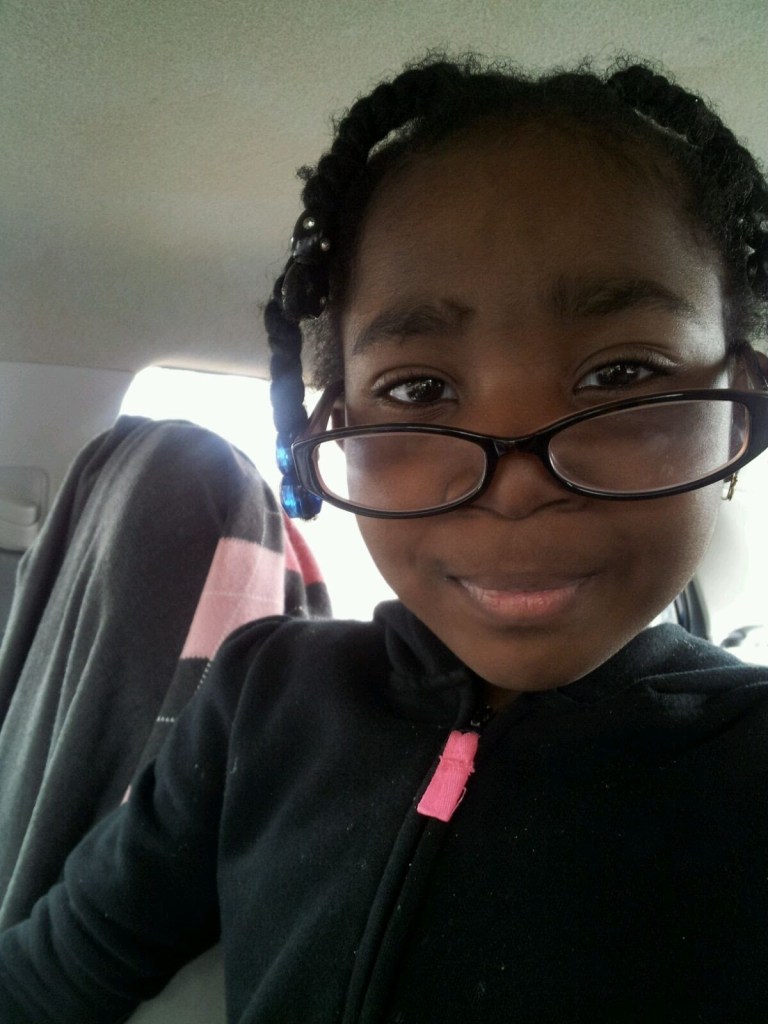
Morgan Hardy

By NaAbena Nyarkowaa-Kusi
Gwinnett School of Mathematics, Science, and Technology

Morgan Hardy, though a newcomer to journalism as she still paves her path at UGA, is already making progress as a journalist and at only 24 she has shown that the new generation of journalist are coming in hot.

“We’re not just talking, we’re real people” Hardy says as she explains the different ways that not only she, but her fellow peers are adding character into journalism. “I get a lot of inspiration from new reporters- a lot of new news reporters my age are changing the game.”

Journalism has always been a dream career of Hardys and though she started off in different majors, she still made her way back to the art of communication. Although Hardy may have been born in an era where AI and other new technologies are slowly taking over, she hasn’t let that hold her back and she states that in the future we’ll “go back to the beginning and start over”

“What they saw first hand was very hard to swallow,” Hardy has already impacted her community with her empathy, reaching out to the grieving community of Apalachee High School, where journalism gets emotional. “Having the ability to focus even when interviewing about serious topics is one of the toughest parts.”

“That’s when you lean on your friends and other journalist you’re working with.” The relationship not only with other forms of journalism but also the different creators who may just be right next to you are there to provide you some sort of guidance to produce work that brings communities together. If journalism is a form of communication than the effort that goes into that conversation must be applied “kinda making them feel very important , not just having a camera staring them down.”

Hardy depicts journalism as many different subjects, but the fear or anxiety of switching from one type to another is real. “You won’t know until you try” said Hardy.

There is no true way to stay prepared, every experience is different, but as long as one is willing to apply themselves to the cause anything is possible.

Hardy states that “all forms of journalism are very similar” These contributions, whether big or small, come together to create a positive impact on journalism as a whole. “It helped me a lot learning about journalism as a whole and why it means so much to each other to make one big piece.”

NaAbena Nyarkowaa-Kusi

Born to an immigrant family I was taught to to work hard and keep my head in the books. with little room for mistake. I went from gifted classes once a week to the #1 public school in Georgia, and since then academic accomplishments have not only been an expectation but a part of day to day life. Because of this my free time was filled with STEM clubs and technology camps instead of things I felt interesting.

When I was 9, I began to have a passion for writing, it didn’t matter if I was writing fiction stories or just reciting events from my day, as long as I had a pencil and paper, anything was possible. before my tenth birthday I had already written and published a picture book for kids my age, an accomplishment I wasted no time to brag about.

Although my love for writing stated off strong, I received more pressure to write another book and writing became a homework assignment rather then a fun hobby. By the time I was in middle school I had completely lost sight of my love for writing and attempted to try sports such as track and swimming, though I soon realized that it didn’t bring the same rush writing did.

When I had finally reached the seventh grade I was put into a journalism class last minute, although I wasn’t enthusiastic about the idea of writing all day at that point, the class soon became something I looked forward to every day. By winter I became infatuated with the stories I would read every day, from reports of crime to stories of my own community coming together, I took inspiration and was soon able to analyze and write my own articles. Before the year ended I got the chance to visit the ANF (Atlanta news first) station, an experience that allowed me to not only be featured on the news with my fellow classmates, but also gave me a close up on journalism and broadcasting.

My journey of education, passion and writing have contributed to my love for journalism even if it was an unexpected path. They’re are still more writings to curate and now the drive to do so comes with ease and I continue to expand on the talent I always had.