Opinion: Why cats are better than Dogs

By Ty Garrett
AB Tech Early College

Cats are better than dogs because cats are so much easier to have as a pet. I love dogs too, but I love cats more. Cats require less maintenance than dogs; cats don’t have to go outside for a walk, already know how to use a litter box to go to the bathroom and don’t need any formal training. Dogs, on the other hand, do need a walk, go outside for the bathroom and need formal training.

Cats make so much less noise than dogs; the only time they are loud is when they meow. Cats are also great pets for apartments because they are better suited than dogs. Compared to dogs, cats require less space and take advantage of the space. The cost of taking care of a cat is $65-$125 a month compared to the cost of taking care of dogs, which is between $145 and $505 a month.

Photo by Johannes Rampp on Pexels.com

Another one of the reasons why I think cats are the best pet is that they are very independent. Unlike dogs, which require a lot of attention, cats are very enjoyable by themselves. Cats sleep a lot throughout the day; in fact, they sleep up to 15 hours a day. Cats enjoy being with humans and don’t demand attention like dogs do.

Cats have a very long lifespan; on average, cats live up to 12 years but can live to their high teens or early twenties. Cats are also good for your health; they have a calming effect on their owners. Another reason is that cats play a part in lowering your risk of a heart attack and lower your blood pressure. A study was found that cat owners are 30% less likely to die of a heart attack or a stroke than non-cat owners.

If you hate unwanted pests (mice, bugs, etc.), so do cats. They keep unwanted pests out of your house and make sure that your home stays clear of any bugs/mice. In conclusion, cats are better because they are less hyped, less work and more rewarding than dogs.

Experience v. Youth/Knicks v. Spurs

By Anthony J.T. West
Natchez Early College

The 2026 NBA finals isn’t just a battle for a championship, it is a clash between two totally completely different identities. The New York Knicks represent experience, leadership and composure, while the San Antonio Spurs bring youth, energy, and hunger. This series shows how different paths can lead to the same stage, but only one approach will come out on top. This series has shown us (so far) that it will be based on who can stay calm under pressure. Right now the 2026 NBA finals may go down in history for one simple reason.The New York Knicks are putting together one of the greatest comeback performances the league has ever seen, while the San Antonio Spurs are showing signs of being one of the weakest second-half teams on the biggest stage.

Photo by Rockwell branding agency on Pexels.com

The Knicks have built their Finals run on resilience. No moment has been too big, no deficit too large. Their ability to come back from massive leads, most recently a historic 29-point comeback, shows a level of toughness that separates good teams from great ones. When the game gets tight, they don’t panic. They stay cool, calm, and collected while at the same time executing every possession to slowly chip away the lead that any team has during that time of a game. This is a team that believes that until the clock hits triple zeros in the 4th quarter of a game that it’s not over until it’s over.

On the other side, the Spurs are telling a completely different story. For a team with so much talent and potential, their second-half performances have been their biggest weakness. Time after time, game after game, night after night, they would build leads early only to watch them disappear after halftime. Whether it’s poor shot selection, defensive breakdowns, or simply losing composure, the pattern is hard to ignore. This is a team that has defeated last years NBA champions the Oklahoma City Thunder. During the whole series they were relaxed, stayed composed, and made smart decisions. However, when you go to the NBA finals it’s a different setup and you have to find how you are through all the chaos and not lose site of who you are in the process. Sadly, the San Antonio Spurs have not been the team that we have seen all year.

Photo by Israyosoy S. on Pexels.com

The difference between these two teams is not skill it’s the mentality. The Knicks play like a team that expects to win no matter the situation. The Spurs, at least right now, look like a team still learning how to handle pressure when everything is on the line. That’s why the Knicks’ comeback ability feels historic. It’s not just one game anymore, it’s starting to become a consistent identity. They absorb runs, stay disciplined, and strike when it matters most.

Meanwhile, the Spurs’ second-half struggles raise a bigger question. Are they really ready for this moment yet? Talent alone isn’t enough to win a championship. You need focus, composure, and the ability to FINISH. That’s exactly where the Spurs’ have fallen short multiple times during this series. Last night in game 4 they have just blown the biggest lead in the history of the NBA Finals. “To me that shows that they probably are not ready for the stage yet even though they are extremely talented.” a person I interviewed said. “There is no excuse for the Spurs’ as good of team as they are to blow a lead like that on the biggest platform basketball has to offer.” he continued.

This series is proving one thing clearly. Great teams don’t start strong, they play strong the entire game and finish the game strong as well. Right now, the Knicks are doing exactly that, and it’s why their comeback run may be remembered as one of the greatest in NBA history. “The Knicks are showing us who they are and why they are finally showcasing us what they can do when they make it to the greatest stage in basketball.” he said. It has been 53 years since the Knicks has won the NBA championship. During that time my granddad was in middle school and my grandma just entered middle school. “The Spurs’ have a lot of learning to do this offseason”. he says. “Knicks in 6” he continued putting emphasis on have he believes this series will end.

“The Knicks are making history by never giving up, while the Spurs are learning the hard way that in the Finals, a great first half means nothing if you can’t finish.”

“Pouring out my heart to a stranger:” The power of Taylor Swift’s songwriting

This image has an empty alt attribute; its file name is img_6885_original-1.jpeg
Photo by: Meredith Rein

By Meredith Rein
Sequoya High School

Since her 2023 kickoff of The Eras Tour, Taylor Swift has been more relevant than ever before. Whether one is a fan or an excessively close-minded individual, it just doesn’t seem like they can shut up about the Grammy-winning powerhouse that is Taylor Swift. Those who do criticize Swift’s success usually denounce her songwriting ability. This is simply projection. Swift is the most meaningful, talented and intentional songwriter that the music industry has ever seen. Her unique ability is not unseen when considering the reaction of both the hardcore “Swifties” and those who attempt to tear her down.

In every single song that is in her discography, as well as the ones she has collaborated on, Swift “pours her heart out to a stranger,” elevating the standard of innovative, inclusive, and articulate songwriting.

Of the 12 albums that construct Swift’s discography, listeners are able to hear the transformational and experimental choices Swift has made throughout her career, which spans over 20 years. Some notable songs that mark her shift of lyricism over the course of each “era” are “Picture to Burn” from her first album released in 2006, and “Chloe or Sam or Sophia or Marcus” from her second most recent album released in early 2024. The lyric “I really, really hate that stupid old pickup truck you never let me drive,” while still technically relatable to a specific audience, does not show Swift’s capability of using the English language. However, the series of lyrics “could it be enough to just float in your orbit? can we watch our phantoms like watching wild horses? cooler in theory, but not if you force it to be” provide a wide variety of context for her listeners to relate to whatever situation they believe fits. Not even considering the incredibly eloquent manner in which the lyrics above were written, there is no possible way that someone can say that those lyrics, derived from incredibly different songs, sound anything alike or have the ability to predict that the entireties of each song sound similar to each other.

As a dedicated Taylor Swift fan, I have experienced the emotional traction that her lyrics carry. Though maybe a little para-social, no matter what emotion I am feeling, I can scroll through 274 songs, knowing I can find one that will be able to bring me comfort and clarity. While I will likely never turn the lessons I have learned from Taylor Swift’s lyricism into lyrics of my own, Swift has greatly impacted the music industry, inspiring many contemporary artists like Phoebe Bridgers, Gracie Abrams, and Maisie Peters, as well as rising Gen-Z stars Conan Gray and Olivia Rodrigo. The recently rising artists above, three of which performed as opening acts on The Eras Tour, have attributed much of their inspiration in their respective careers to their experiences much like the one I described.

As I grow up, I realize the positive impression that simply listening to Taylor Swift’s music has made on me. When I write, I find myself working in vocabulary words that I have gathered from different songs. I see the similar impact on my peers who believe in the magic of Taylor Swift, as they exuberate joy and intelligence. I see the opposite in those who undermine her influence, as they introduce negative aura into any room.

In my favorite song of all time, “Fresh Out The Slammer,” which resides on Swift’s 11th album, “The Tortured Poets Department,” Swift sings “fresh out the slammer, I know who my first call will be to.” My first call will always be to Taylor Swift, and I know I am not alone in that belief.

USA vs. Jamaica: The Pinnacle of Track and Field Rivalry

By Kaya Collins
Forsyth Central High School

12 seconds.

That’s about the longest a professional track and field sprinter will be on the track racing during a competition.

In 12 seconds history can be made, dreams have a chance to be fulfilled and hearts are broken.

Track and Field is an individual sport. Each athlete is responsible for every loss, every upset and every win. This makes every moment so much more passionate and important. Like every sport, professional track and field has had long standing rivalries that push athletes to their limits and make each athlete want that beautiful gold medal just a little bit more. The most notable of those rivalries is the competition between American and Jamaican runners. For decades now, competitors from these two countries have battled closely and hard for first place.

Photo by Writchid Snipes on Pexels.com

The USA has long been known and recognized for its astounding athletes. Not many in the world are willing and able to compete successfully against USA’s runners. But Jamaica stands out. For decades now, Jamaican runners have gone head to head with Americans in a fight fueled by national pride, tradition, and athletic culture.

The Paris summer Olympics 2024 showcased this rivalry in one of the closest men’s 100 meter dash races in Olympic history. USA’s Noah Lyles won gold after a neck and neck finish with Jamaica’s Kishane Thompson. The race was so close that announcers actually stated, or assumed, that Thompson had won the race before results were posted, and ended up being incorrect. Lyles winning the 100m mens final that year, especially with the race being so close with a Jamaican runner, only further fueled the rivalry between countries.

From old competitors like Jamaican Usain Bolt and American Justin Gatlin to modern day Kishane Thompson and Noah Lyles, the USA vs. Jamaica rivalry has made its impact and continues to showcase phenomenal athletes and promising talent for future competitions. The next championship meet is September 2026.

Now the question is, will the rivalry continue with each country securing wins back and forth?

Or will a champion emerge and settle the long lasting struggle?

Joe Dennis: A Man Making A Difference

By Evelyn Jeffords
Whitfield Academy

It’s one thing to help resolve a current issue by writing about it and bringing its attention to the public, but it’s another to take action and make a change by personally stepping in and getting involved. Joe Dennis’s career in journalism gives him the opportunity to experience real world events first hand. Joe believes strongly in the power of making connections and that as a result it will get you far in any part of life, especially in the journalism industry. 

In an interview Joe said, “One of the most important things that you can do is every time you contact someone just be very friendly with them and make sure you save their phone numbers in your phone and who they are and what they work for, because you never know when a source could come through for you.”

This attitude opened many doors for him and allowed him access to more viewpoints and situations. In one instance because of a relationship he’d previously built, he was called to report on a meth-lab drug bust to get the chance to spend 20 hours with a unit. He’s also 

had the opportunity to speak to many celebrities, including: John Mayer, Chris Jericho, and Isaiah Thomas. One of the most impactful people he’s reported on however, is a judge.

Joe spent several months checking in with and writing about a judge who was on the waitlist for an organ transplant. He got to know the family well and would bond over dinners together, updating his writing as to his status and current position on the waitlist. Tragically, the judge was not able to make it through to the top of the waitlist and passed away. 

Joe remarked on how this impacted him to take action, “…he died when he was number 12 on the waitlist. When he died that really was powerful to me and that day I became an organ donor. I went to the drivers license facility and became an organ donor just because I saw the impact that organ donation can really have on people, how few organ donors there are and how it would have just taken a few more people to keep him alive.”

Joe Dennis’s experiences as a journalist demonstrate that reporting is about more than telling stories, but about building meaningful connections, understanding people’s lives, and telling their stories through their lens. Through his dedication to developing personal relationships, he gained unique opportunities that shaped both his career and his perspective on life. His story shows how journalism doesn’t just inform the public but inspires personal action and meaningful change.

The Youth Speaks: How Our Minds And Relationships Are Being Reshaped By Technology

By Kirsten Jolly
New Manchester High School

What makes a strong relationship? Perhaps mutual respect, affection or trust? What about whether you have ever met them in person? Or whether they are a person at all?

According to research from the Center for Democracy and Technology (CDT), nearly 1 in 5 high school students either know someone who has, or have themselves been in a relationship with artificial intelligence.

Photo by Uriel Mont on Pexels.com

As it seems, relationships are evolving. Not just in the way that they develop, but also in the way they are perceived and defined.

As technology advances, many are turning towards new avenues for romantic (and platonic) fulfillment. They are instead becoming more interested in exploring relationships through social media or Large Language Models (LLM) rather than pursuing interpersonal connections.

While responses to this information are polarizing, it does raise questions as to why many are feeling the need to turn to alternative solutions. In addition, what long-term effects will be inflicted upon society if these practices become normalized?

This future, filled with the normalization of AI relationships, is not as far away as it seems. Local high school student, Uriana Powell, recognizes differences in behavior in peers after they begin using AI. They consult LLM’s like ChatGPT to solve relationship problems, speak for them conversationally or for emotional support. Powell comments, “I mean, I love all my friends, but I do encourage her to be herself. Humans are way more creative than AI…we are unique in our own way,”.

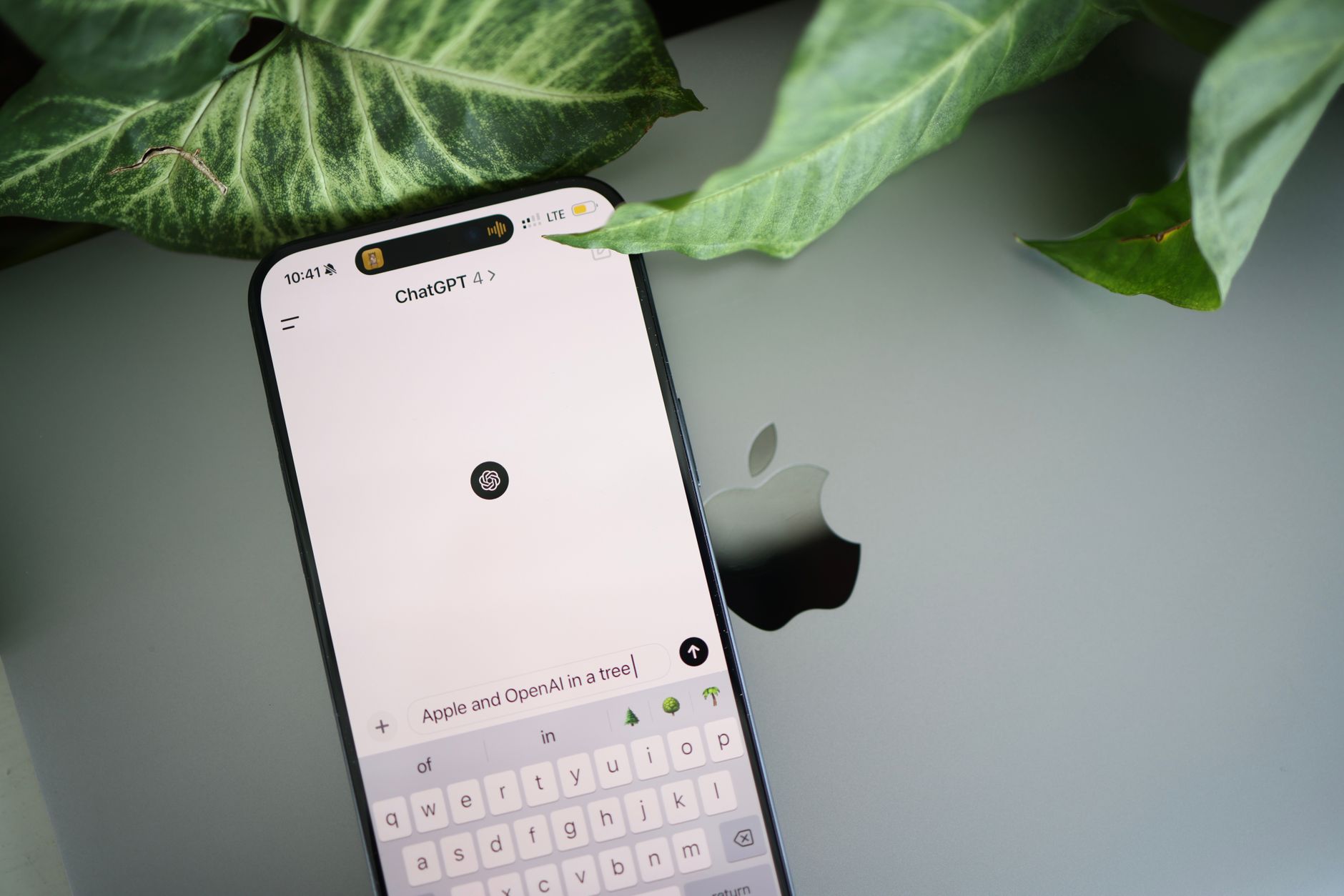
So, why exactly is the youth being impacted in this way? As reported by The American Psychological Association, “Humans are hardwired to anthropomorphize, or ascribe human traits to nonhuman objects. Digital companions are purposely designed to evoke such a response…”. This outlines the possibility that the emotional bond produced between humans and Large Language Models is largely due to the intentional manufacturing of the AI chatbots, and not the fault of those affected.

Photo by Solen Feyissa on Pexels.com

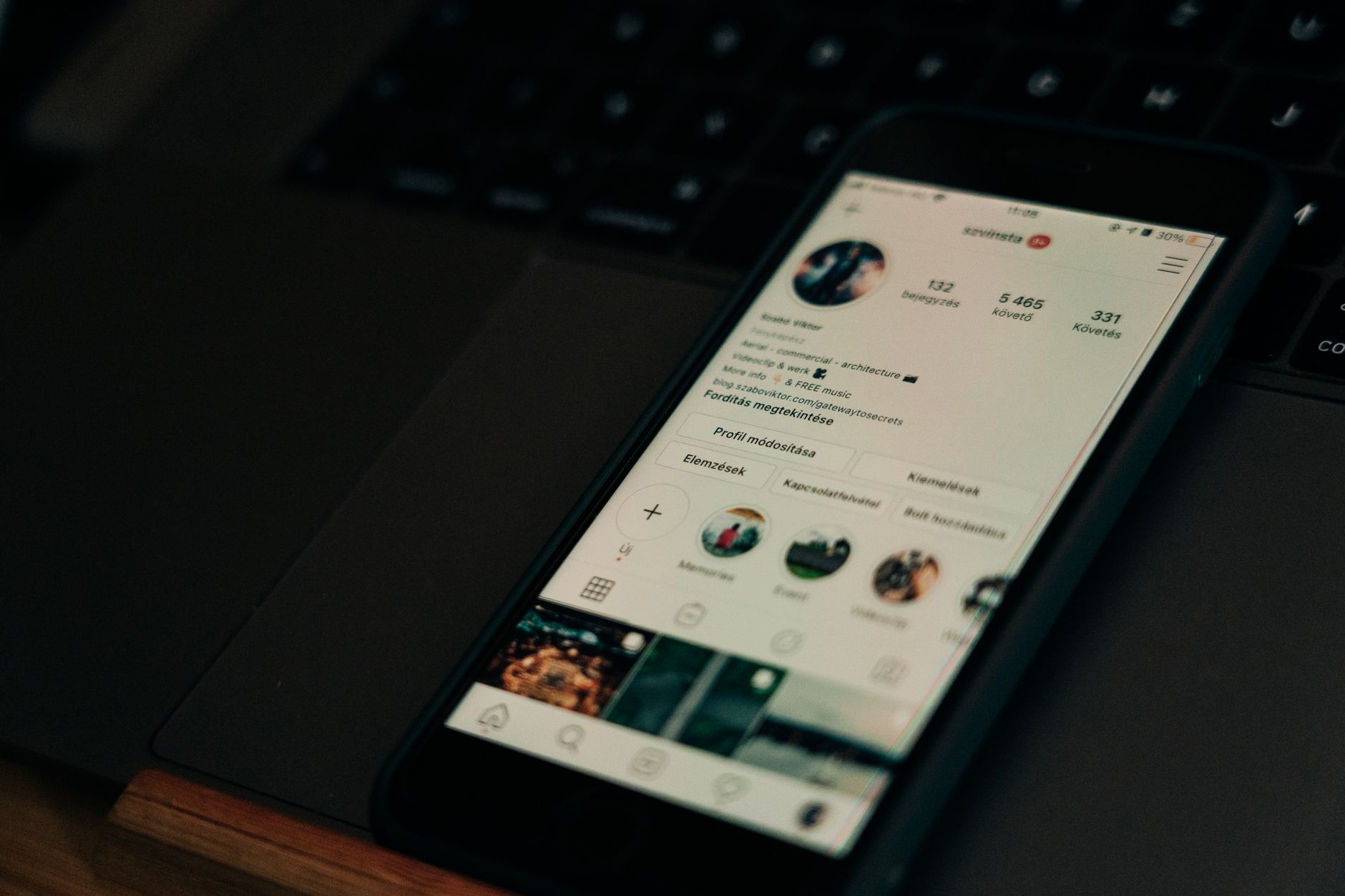
Contrary to the development of AI companionship being relatively new, the integration of social media interaction has been around for a few decades, but has increasingly gotten worse. As stated in National Library of Medicine, “Social media, integral to contemporary life, offers significant connectivity and entertainment benefits… [it has] given rise to social media addiction, particularly among teenagers, characterized by excessive screen time, compulsive checking, and detrimental effects on real-life relationships…”

In conversation with high school student, Fiona McGaraghan, she spoke a bit about how she faced real F.O.M.O due to social media, “Fear of missing out is a big one, just seeing posts of other friends doing stuff, and wishing I was there.”

McGaraghan continues, “Social media, both using it, and the culture around it has had a negative impact because it feels like people are centered around it in terms of social behavior.” Later, McGaraghan recounted feeling excluded more often, due to her being able to actively see things she was missing out on online, not just conversations, but entire shared experiences.

While the technological integration of society is not entirely negative, the perception is that the way it negatively impacts others outweighs the way it positively impacts them. Sam Crumly, high school student, stated that he noticed clear differences in his behavior after using tools like social media and generative AI; specifically he noticed that the content he was receiving was largely tuned to him and his opinion so he felt as though he wasn’t being as intellectually challenged.

Photo by Szabu00f3 Viktor on Pexels.com

Crumly stated, “I understand that most of the stuff I am looking at is skewed to the way I would like to hear it, and my perspective…it just kind of numbs my brain a little bit.”

In reference to romantic relationships or situations, Crumly mentions that he felt a bit negatively impacted due to the use of LLM’s. “I think I asked AI for a pickup line, like once…they don’t know what they are doing…” Crumly continues, “I have taken advice from social media on some things, honestly most of the time it’s not really good.”

As the relationships of youth continue to evolve, the integration of technology will likely remain present. Only time will tell if that integration will be focused on prioritizing the mental state and health of the youth rather than their constant gratification, and addiction. Many hope that the direction that relationships take will be more geared towards emotional connection, rather than artificial fulfillment, and ultimately, rewarding those that foster strong human-based relationships.


The Lasting Affects of Slavery on the Black Community

By NaAbena Nyarkowaa-Kusi
Gwinnett School of Mathematics, Science, and Technology

Chattel slavery, which consisted of the violent capture and enslavement of Africans, commenced the dehumanization of black people around the world. 161 years later, what seems like a distant memory of tragic events continues to affect the black community.

“We may be five to six generations removed from the horrors of slavery, but the trauma of enslavement has been carried by African Americans through the ages” says therapist Dr. Erica Wilkins. “The system of slavery was predicted on the belief that African Americans are inferior, and that systematic inequality still persists today.”

Psychologist also note that that black patients are more prone to schizophrenia and depression but due to misdiagnoses these patients are less likely to get the help they need and their cases go untreated . Yvonne Owusu, a psych nurse partitioner at Northern Virginia mental health institute, states that these mental illnesses are commonly seen in the black community due to “Racism, bullying, etc. are situational factors that contribute to depression”

But how does this tie into slavery? CapitalBnews writes in an article that “Enslavers went to great lengths to prevent physicians from treating enslaved africans ailments, frequently accusing them of “malingering.” It’s nothing new that black patients pain is ignored. That same article later states “It’s estimated that around 8.8 million black Americans died prematurely between 1900 and 2015 because of the racial health gap,” the same racial gap that had already deemed black people as “genetically different” for 100s of years.

Photo by Lan Johnson on Pexels.com

The discrimination doesn’t stop at America, thousands of miles away in the continent of Africa, black africans continue to suffer due to slavery’s affects. The brutal capturing of 12 million young African men and women took away the possibility of development in Africa and replaced it with damaging systems put in place by colonizers. A Fairplanet article says “The most pronounced impact of slavery on contemporary Africa is racism and skewed value judgements that created class, social status and respect based on colour.” Another paragraph states that “Researchers argue that there would have been 112 million more africans if there was no slave trade.” This population would have increased Africas development but without it the continent fell behind.

400 years ago, the transatlantic slave trade began and with it came racism. Although this racism is still prevalent in today’s society, the black community continues to work toward healing. In 1964 Malcolm X said that “we declare our right on this earth, to be a man, to be a human being, to be respected as a human being, in this society, on this earth, in this day and night, which we intend to bring into existence by any means necessary.” 62 years later the black community is still fighting for the respect Malcolm X spoke of, the peace black children dream of, and the end of a racist era black people still suffer from.

How Does Mental Health Affect Athletes Off The Field?

June, 9, 2026

By Uri Powell
Alpharetta High School

Are college athletes perfect? Some assume so, some disagree.

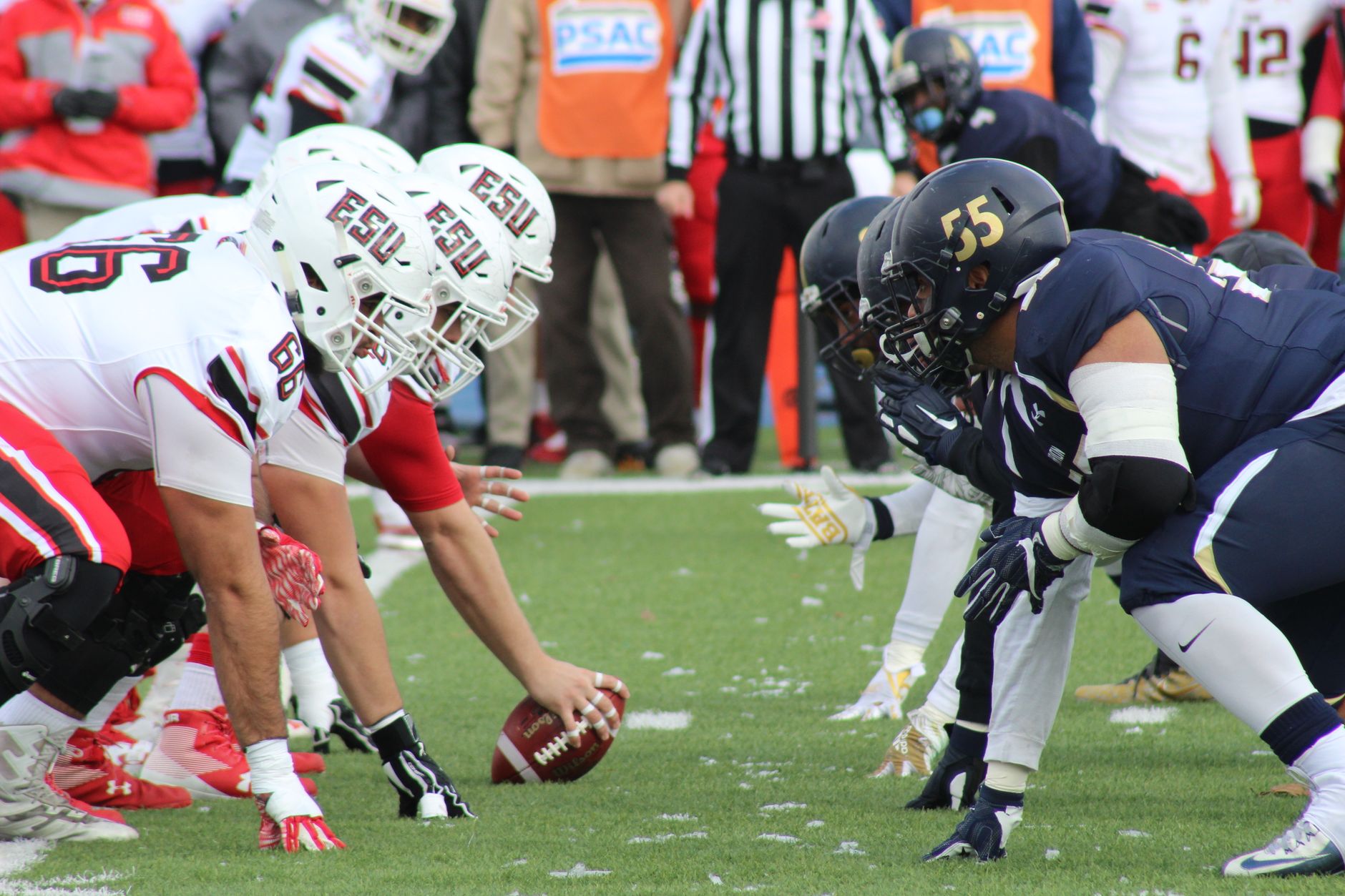
College athletes have some of the most pressure placed on them every game. Especially college athletes who strive in football or baseball. Athletes who play football or baseball have the expectations from their teams, of the likes of a MLB (Major Baseball League) , and a NFL (National Football League) athlete over their heads. Even when they aren’t on the field, their minds are running back and forth about their performance, practice, or anything to do with their athletic scholarships.

Photo by football wife on Pexels.com

Sports can easily have a huge psychological effect on someone. Stress, Depression, Burnout, Substance Abuse, and more. Athletes usually develop these to survive under the pressure of reality and live up to the standards of fellow team mates and coaches. In Oct. 2023, Brown University held a studying discovered that around 30% of college athletes will eventually quit their sport due to physical and mental exhaustion. As many colleges across the country notice this behavior in their athletes, they try to ensure that their athletes maintain stable mental health by having equitable access to counselors and other comfort sources to improve and uphold their performance. Even though student athletes have resources to turn to if they’re struggling, they can quite easily be replaced if a coach suspects the player constantly struggling, this creates hesitation for players to reach out for help while knowing it could cost them they’re athletic career. As football players miss classes for practice, and baseball players miss so many hours of school due to sport travel and packed schedules. Academic pressure can increase on the athlete due to these rules.

If a college athlete is falling behind in academic performance, they are legally required to be benched until their grades reach standards again due to the National College Players Association. On field performance can cause exhaustion and stress which can lead to severe sleep loss from worrying. Being unable to sleep can greatly impact an athletes grades. Their grades can begin decline drastically which can lead to the legal ineligibility to play causing them become benched during games. After this process, it’s also very likely that the athletes will turn to substitutes to fill loose time which leads to substance abuse and mental exhaustion.

Photo by Pixabay on Pexels.com

Although for baseball, it’s a bit different. Baseball players do need as much required academic excellence as college football does. College football usually only competes on Saturdays, baseball is a constant fast paced grind. A regular baseball season can average up to 56 games in a single semester. With this information, This can mean four to five baseball games per week with consistent travel and practices. While football must earn 9 credits during their fall semester to be considered for next years team. In baseball, they must earn only 6 credits during the fall semester to become eligible for next years team. Another challenge is that the NCAA Regionals are held in late April and early May, which are also the times colleges and universities are holding all final exams. This can cause tremendous stress among student athletes.

In Dec. 2023, the NCAA Student-Athlete Health and Wellness Study conducted a study for college athletes. It was shown that up to 45% of college athletes experience constant mental stress due to intense athletics, around 24% experience clinical depression, and over 55% participate in heavy substance abuse. This data clearly demonstrates how college athletes are affected by the industry.

College American Football, Golf and Cheerleading are a couple of the most mentally demanding sports while college baseball is one of the most strategic team sports. College football and baseball are two of the most fan hyped sports in the world. College sports are the most watched and cheered for sports in America at the moment. So maybe college athletes aren’t perfect, and they don’t always win, but they try their best.

New(s) Kids on the Block: Morgan Hardy’s Resiliency in Journalism

By Addison Pendegraft
Johns Creek High School

Journalism, is a profession with the very rare quality of both being timeless, ever-changing and wholly necessary in society. This requires journalists to both remain true to the practice while still adapting. Many journalists, like Morgan Hardy, a second year masters student at the University of Georgia. Pursuing her degree in journalism and mass communication, has been evolving with the changes in a variety of ways.

“People my age are really trying to start a change of format in journalism,” said Hardy. “We’re not just talking heads, we’re people.”

Hardy has stated her concern with AI, stating that her biggest struggle has been dealing with its newfound prevalence in the journalism field. “I think AI can become very dangerous over time if we’re not watching it closely.” Hardy went on to explain how the job market right now is filled with job offerings to edit articles written by AI rather than actually writing anything, unfortunately.

But even as prevalent as this problem has become, Hardy advocated that journalism is more than just reporting a story, it’s also about the person writing it. Which is something that AI can’t replicate as “AI loses the emotion of a story.” 

In response to AI’s ascendancy, many journalists, Hardy included, have adapted their passion for journalism into different medium and styles. “You won’t known until you have tried,” said Hardy, who’s experimented with all forms of journalism from broadcasts and newspapers to documentaries. “So I tried multiple forms of journalism to see which one stuck.”

After much experimentation, Hardy said that she was taking the steps to work in digital media. “Because digital media is so big right now, especially with all of the changes with AI, I just want to be a part of that change and what’s going to happen next.”

This adaptation and willingness to transform, especially to combat the issue at hand as she’s doing, will enable Hardy to prevail in her career. Hardy reflects the unwavering resiliency of journalism as she’s adapted throughout her career. Through every new hurdle it comes across, journalism remains a timeless and indispensable part of life. So as Hardy and her career grows and evolves with the times, her portrayal of stories, no matter the format, will endure.

“Watching a lot of reporters my age making breakthroughs has been my inspiration,” said Hardy. “They’re changing the content of reporting. Not the facts, but reporting on it in a different way that’s more timely.”

The Impact injuries have on College Athletes

By Bristol Hardman
Madison County High School

When it comes to student athletes injuries, there is a lot that goes into their recovery behind the scenes that fans don’t get to see. The athletes have to go through physical therapy and have to build strength back up in whatever part of their body got hurt. Lots of athletes can develop what is known as ” Depression”. Depression is a mood disorder that has persistent sadness, lack of energy, and loss of interest in an activity. This can lead to athletes giving up during physical therapy or during the practices to help them come back healthy, which could also result in it taking longer for the athlete to get back on to the field/ court.

“I felt like I let my team down,” said the Georgia Bulldogs running back, who has just finished his junior year at the University of Georgia (UGA) and has won 2 SEC championships. He is from Compton and South Central, California. He started football when he was 5, after his mom signed him up for a youth track club. After starting football, he went and scored three touchdowns in his first game.

After limping off the field at the Red and Black game. The running back suffered an ankle injury that resulted in him not being able to finish the scrimmage on head coach Kirby Smarts orders. “It prevented me from playing the sport I loved,” he said. He was asked how he kept his mental wellbeing high, “You have to keep your head up.” During the Georgia Bulldogs running back’s freshman year, he was on fire. The stats were high and the speed was even faster.

Baylee Beachler, a softball athlete at Robert Morris, agrees that her injury affected her mentally. “My injury affected me physically by making me feel out of place and without a purpose, it messed up my every day routines and took away my ability to do what I love.” In 2025, she was the first women in Pendleton County High School to sign with a Division 1 program. She is from Franklin, West Virginia. She suffers from a torn tendon in her shoulder. ” It affected my mental health by making me feel left out because I could never do anything with my team. It also made me feel worthless because my every day revolved around softball and I didn’t know what to do without it.”

In 2024, she was throwing in a game, when the injury occurred. It ended her 2024 season and she couldn’t throw until December. “It impacted my daily life by messing up my routines of going to the gym every day and working on softball every day, now I just have to sit around and go to therapy once a week. It pulled me away from most of my relationships because I was unable to go out and do things with my friends and family, I am working to get back to hanging out with all of them again now that I’m recovering.” She was a huge gym junkie and when she got injured she couldn’t work out. All she has now is physical therapy.

For injured athletes it’s a long road ahead. “It’s a long process. I get better everyday,” the running back explains. Before his injury, he took on a huge role to bring the Georgia Bulldogs 671 yards and nearly 1,000 rushing yards. The players and coaches would describe him as “a little ball of energy,” and that he has a team-first attitude.

Although the road is long , mindset is everything. Beachler agrees, “It was hard but I just changed my mindset to look at the road ahead and think about all the good things that come out of it and how I’ll be stronger next year.” Her coaches would describe her as a very hard worker and that she never gives up on what she sets her mind to.

Athletes have different ways in dealing with their injuries.”I have not participated in any of that other than physical therapy. I turned to God to help me with my struggles and he has helped me the most,” said Beachler. Both athletes have had very hard recovery journeys and have both explained they have to keep their head up and work hard to be able to recover. “Rehab daily,” said the running back when was asked about how he was dealing with his injury.

Everything changes when you get injured because you have to adapt to the situation and try and stay positive through it all, so you can get through it. “Routine was wake up, lift, go to classes, go to practice, sleep. That was my every day. After my injury it was no lift, some classes, lots of dr appointments, sitting at practice and watching, which was super hard for me to do,’ explained Beachler. Although injuries are very hard on athletes, it enables them to prevail.