
Youth club team sports have been revered for their rigorous training, specialized coaching and the market for private youth sports have skyrocketed, but are these high-intensity teams worth the pretty penny?
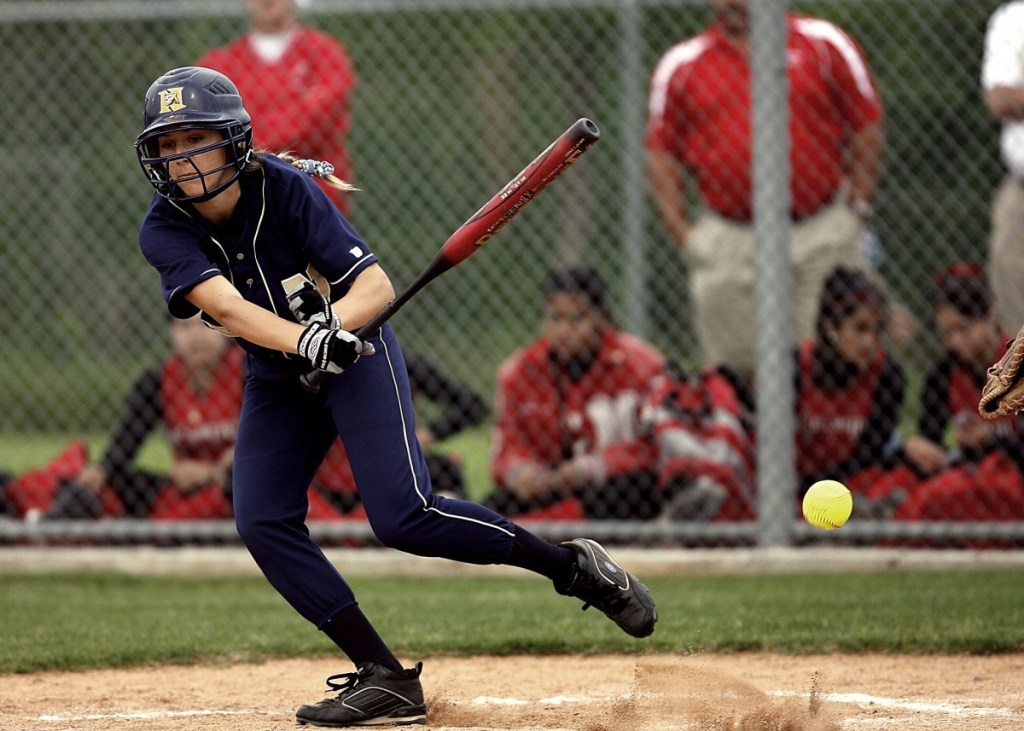
The U.S Youth Sports Market is reported to be worth $19.2 billion, rivaling the NFL at merely $15 billion and it’s projected to reach $77.6 billion by 2026 according to a report from Wintergreen Research. Where did this surge in popularity and worth in youth sports come from? Well, the most likely answer is privatized club sports teams. So what’s the deal with club sports? Why are parents pouring their income into travel teams and private coaching?
Oconee High School rising Freshman Marin Torres has been swimming since she was 5-years-old and went on to swim on OHS’s swim team as an eighth grader. Upon joining a club team in 2019, she finds it to be more intense than her school team.
“It’s more competitive, that’s for sure. And practice (is) every day, so definitely more rigorous than school swim,” Torres said. “And definitely more organized than school swim because school swim, my coach even mentioned that no one else wanted to be the swim coach so that’s the only reason why she’s there.”
Torres also notes how her school team can’t have tailored coaching due to the vast differences in skill level.
“There are only two groups, pretty much split into the ones who can swim already and the ones who need help swimming, and then their practice is not that strenuous,” Torres said. “The coaches don’t really keep an eye on you. They kind of just trust you to swim.”
However, while the coaching is lacking, Torres finds richer experiences with her school team.
“The swim meets are fun because you get to see people from other high schools and you’re with your friends from school,” Torres said. “Also you get swim uniforms and a Letterman jacket, you’re representing your school, but other than that, it’s just kind of like a fun thing to do for me. Not really like a competitive thing.”
Though with club, Torres noticed the divide between athletes due to economic status.
“It’s not a cheap thing. So it kind of feels wrong that club is more expensive, therefore you get better training, but that’s how sports works. So I do notice that the people with money tend to be better because they get the training.”
Despite the costs and benefits of either teams, Torres finds balance in both.
“I feel like if I dropped club and just did high school, it would be more of just a fun (thing) because practices aren’t that hard so you just go and talk to your friends and the coaches don’t really care,” Torres said. “But if I only did club, it’d be a competitive environment. So I think a mix of two is really good because then you get the fun and also the training you need.”
For Jim Peeples’ first 15 years at Piedmont University he coached the baseball team before he stepped away to fulfill his new duties as the Athletic Director for the next seven years. Prior to his professional career however, he was a tri-sport athlete and swam on a club team in his hometown but chose his high school athletic career over the private club experience.
“I transitioned out of swimming because my high school didn’t have a swim team. So for me to continue, I would have missed out on playing the other sports at my high school” Peeples said. “Now, I could have continued swimming at the club but I really wanted the chance to compete for my high school.”
Peeples, similarly to Torres, found more enriching experiences and relationships on his high school team. Making him thankful that he chose high school over his club.
“All these years later, there’s a group of us that get together and we go on a golf trip in the spring,” Peeples said. “So 40 years out of high school, a group of guys that played sports together, we still get together today. So those are lifetime bonds that we built because of our involvement in high school athletics.”
As Athletic Director, when reviewing recruits Peeples has seen fewer ideal athletes as club has become more highly regarded than high school teams.
“There are a lot of talented kids playing travel sports, but there’s a difference between being talented and being a great competitor. I would rather have the young person in my program who’s the great competitor and who competes for the good of their team, then the kid who’s ultra talented and doesn’t compete all that well. And also, that’s really what our coaches are looking for. Who are those great competitors who are going to be those great teammates? Who is going to be the person who puts themselves second and their teammates first? Travel sports has taken away from that a little bit right”
After playing both travel ball and high school sports, Andrew Klein graduated from Piedmont University in 2023 and is slated to be a paraprofessional at a Middle School in Habersham county where he will also coach baseball. As a K-12 student, Klein played travel baseball and continued to play through Piedmont before quitting and transitioning to coach at a private club, but Klein argues that the private youth sports industry has progressed into more of a flashy lifestyle than an industry based in producing athletes.
“It definitely is more of a money grab nowadays,” Klein said. “Parents want to be so fast to spend the money and get the cool jerseys or have the cool walk up music for their kids and just say they play travel sports,” Klein said.
As a coach, Klein attempts to steer his athletes away from the false narrative of promised attention and success just for being in the club and to instead find joy in the game.
“I just try to tell kids that no matter the money, you first got to find the right coach for you, you’ve got to find the right players that you want to play with, how you want to play the game first, and focus a lot less on just your win loss record,” Klein said. “Social media has all these people being able to post their highlights and tag these college coaches and it seems like it’s just a persona that they want to be like other kids that post these things and it’s more about how they look and how people perceive them then what their skills are (and) how much they actually love the game.”

 Rock Star Writers Blog