

“Baton twirling is a sport involving the manipulation of a metal rod with the hands and body to co-coordinated routine.” as so says the google definition but in my eyes it’s WAY more than that. Baton twirling is a skill that combines dancing and gymnastics into one with a little twist. The actual baton itself gives the routine more flavor but it’s about who’s holding the baton to show what all it can do.
Learning how to twirl isn’t easy and takes lots of training just like any other sport. It takes time, work, practice, and determination to actually want to learn the sport. Baton twirling is mentally challenging just as it is physically challenging, you’re adjusting to moving your body a certain way adapting to stretching and working out to be able to even participate in the sport. It’s already hard even forcing yourself to throw or baton or try a new trick under it, especially when you know what can happen when you miss. The risk can even get more challenging once you decide to throw in another baton or two.
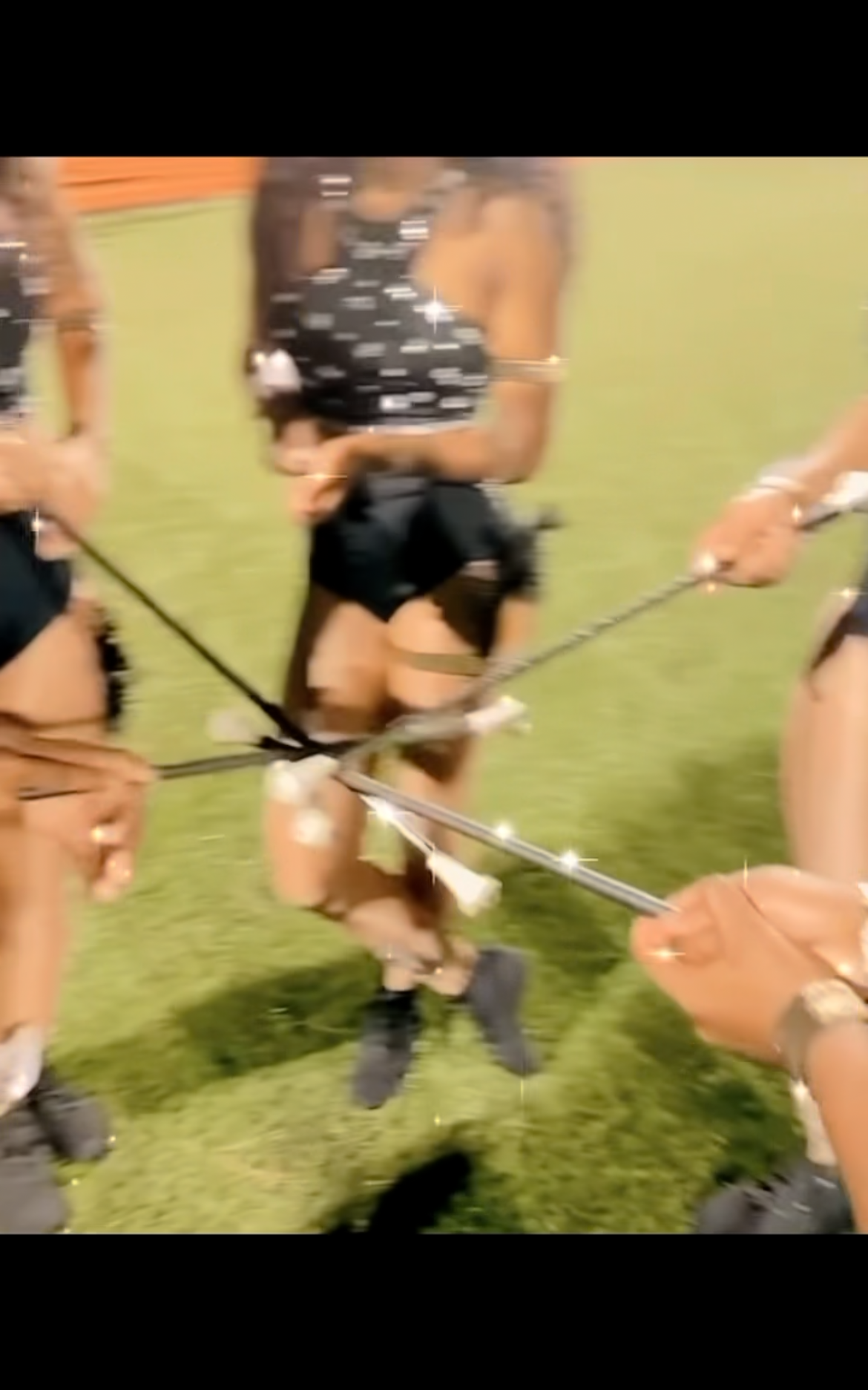
I experienced some of these dangers firsthand. When I first started baton twirling, I tried to perform a very hard trick in our routine — even though I probably wasn’t ready to do it — and I twisted my knee. I also have several scratches, bruises and blisters from my years of baton twirling. It’s not an easy sport.
Just like any other sport national baton twirlers do get paid. Once you’ve mastered the skill and get into the big league there are two organization’s that allow all around majorettes to get paid for their talents. Two of the largest U.S associations today are the United States Twirling Association (USTA) and the National Baton Twirling Association (NBTA). They both hold national competitions every year and officiate competitions at local state and regional levels. The salaries of Baton Twirlers in the U.S range from $16,640 to $74,880, with a median salary of $35,360.
Beyond the friendships you’ll forge with other twirlers and members of the band, you may get to travel to other parts of the country, performing for thousands of spectators in support of your school or organization. Some schools also provide financial support and scholarships for collegiate twirlers.
Twirling is a small world round sport that many people don’t know about. Still, a solid group of people, mostly in small U.S towns kept baton twirling alive. Now twirling is experiencing somewhat of a renaissance, appealing to aspiring athletes with its melding of gymnastics and dance. Baton twirlers now compete in national and world competitions instead of marching in parades.

 Rock Star Writers Blog