
The death penalty is many things, but for starters, it is flawed, expensive and defined by bias. Besides this, there is also the essential question of whether human beings deserve to kill.
In 1989, Bryan Stevenson, a lawyer and bestselling author of “Just Mercy” created the Equal Justice Initiative (EJI) to provide “legal representation to people who have been illegally convicted, unfairly sentenced, or abused in state jails and prisons.” Part of their mission is to challenge the death penalty and excessive punishment as well.
“Just Mercy” follows the true story of Walter McMillian and how he was wrongly convicted of murdering a white woman in Alabama and sentenced to capital punishment. With the help of Bryan Stevenson and the EJI, McMillian’s innocence was proved with clear and frank evidence, but the book also follows the stories of other incarcerated individuals.
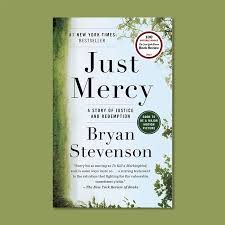
One of these individuals was Joe Sullivan, who was sentenced to die for a non-homicide crime he committed as a 13-year-old. Sullivan was finally released in 2017, 25 years after he was sentenced. The book also shed light to the issue of botched executions, especially with the use of lethal injections. According to a study conducted in 2024, 73 lethal injection executions were botched, which is just over 5% of those conducted since 1982. There is no doubt that the instances and statistics listed are painted in bias, as majority of the botched executions and unjust sentences are carried out on Black men.
American society as a whole must look at the problem as it is and draw attention to the truth — the death penalty is unjust, cruel and adds no benefit to the safety of our country. How do we as human beings grant ourselves the right to end another person’s life? How do we allow retributive principles — a life for a life — to govern our justice system? This is not a justice system dedicated to justice.
At the root of the problem is how little attention is given to this problem. It takes a significant accident to spark empty conversations dealing with the issues of mass incarceration. The leading thought is that these people truly did commit their crimes, so they deserve their punishment.
The world discusses human rights concerns with civilians around the world, so shouldn’t the same rights apply to these prisoners? Let’s start with the most basic right, the right to life.

 Rock Star Writers Blog