
It is no secret that the teenage years are transformative for adolescents, as they grow into young adults. These years can be especially tumultuous for young musicians, who grapple with the pressures and common problems of the music industry, resulting in mental health concerns. If not addressed early, these young musicians are prone to developing more long-term and serious problems like depression, eating disorders and grappling with bipolar or schizophrenia.
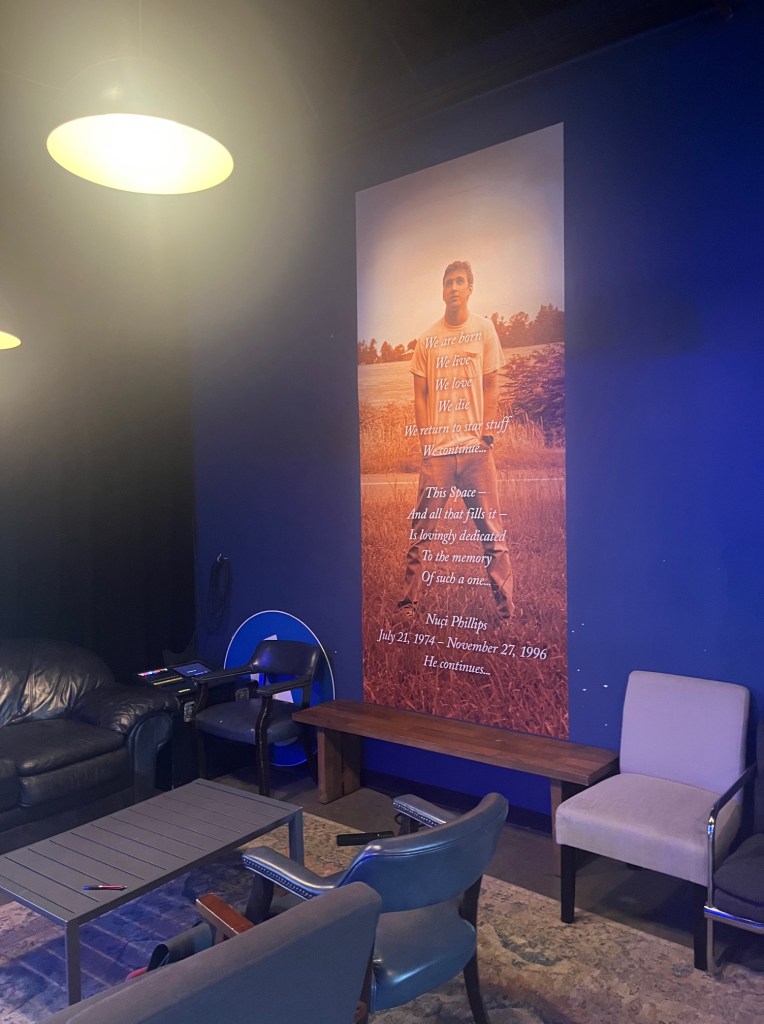
While music is beautiful and expressive, the music industry can be a pressure cooker where musicians are pushed to their limits. Nuçi’s Space is an organization in Athens focused on suicide prevention, specifically for musicians. The space was founded after a UGA student and musician named Nuçi Phillips, took his life in 1996. His mother, Linda Philips, created the organization in 2000 to address the epidemic of suicide that was, and to this day still is, raging across the country. Abby Winograd, the marketing & communications manager at Nuçi’s Space, explained the hardest parts of being a musician.
“Musicians are not put in the best position to access health care and support, especially if people pursue music full time. They’re not getting access to insurance. They’re in late night scenes with exposure to not necessarily healthy conditions,” Winograd said. “Linda wanted to create a center of sorts to provide a safe space for musicians to seek support and help and pursue their music without sacrificing their health.”
The teen years can be anxiety inducing and scary as young people study with their confidence, insecurity and emotion shifts. A rising junior at Athens Academy, and young musician, Evangeline Bina, talked about some of the struggles she has experienced during her teen years and how music has helped her through it all.
“I had a lot of experience in middle school struggling with anxiety, but it kinda all went away. I got really involved in the local orchestra scene, and that helped me build confidence, because, where I wasn’t confident in myself, music helped with that a lot,” Bina said. “Music has gotten me through some of the worst times in my life, times where I kind of felt like I didn’t have anyone, or nobody really understood what was going on.”
Music also pushes you to be more vulnerable, as one captures their emotions in their art. Bina and Winograd both explained how this can be an outlet for young musicians and their emotions, but also open a young person to struggles with their mental health.
“To make music, you have to be very like, in touch with yourself, and sometimes that vulnerability can make you more susceptible to mental health issues, insecurity, emotional problems, which sucks, but it’s also part of making good music,” Bina said.
“Music is a language for people that don’t necessarily have the words or comfort in speaking about how they’re feeling. Music is the language in which they choose to express themselves. It’s how they bond with other people,” Winograd said, adding that mental health needs to be looked at and addressed as a serious health concern, and using the term “brain illness” instead of mental health helps do just that.
“We say brain illness instead of mental illness, because mental health is a real health concern. It’s in the body as much as cancer and really any other physical disease you can think of,” Winograd said.
Music is a beautiful outlet for young musicians as they struggle with life’s many internal and external problems, and for one to paint their emotions into art is something special. It is important for young musicians to have a safe space that sparks their creativity and Nuçi’s Space is the perfect, supportive atmosphere for that. Bina, a participant of Camp Amped at Nuçi’s Space, explained how the space allowed her to pursue and feel more confident in her singing. She was also able to bond with other campers who had experienced similar struggles to her, to create music.
“I don’t usually like lose myself in the music, but sometimes it can be a sacred space, almost where all the hard things about life just don’t really impact me because music isn’t very judgmental. The people in music aren’t judgmental, but music itself isn’t judgmental either. Like, you can kind of, if you allow yourself, be vulnerable. You can be completely free with yourself, and just let it help you. I find safety and security in that.”
If you ever feel like you need to reach out to someone or need help, you can call the suicide and crisis hotline at 988. This is the link to the hotline’s website.
The Nuçi’s Space website also has a crisis page with lots of helpful information linked here.

 Rock Star Writers Blog