
Fast fashion and its impact

According to an article in USA Today, fast fashion is slowing the growth of local businesses, keeping them from flourishing to their full potential.

When younger generations choose clothes, many look at cheap, but trendy choices. 

“Some fast fashion is good because if you need something quickly or if you need a bundle of something then you can order it quickly and cheaply,” said Saybel, a freshman in high school.

According to a UCLA sustainability study, fast fashion is where clothing manufacturers focus on mimicking and producing trendy clothes with poor materials, fast assembly time and low pay wages. Most of these clothes appeal to consumers however, due to social media pushing the trends and highlighting the cheap prices.

“I understand the convenience and why as many people buy it as they do,” Andrew Fritz, a resale store employee, said. “But it’s something that’s gonna get worse and worse the more common it gets.”

Many of these fast fashion prices are so low that local businesses cannot compete. Most small businesses use authentic materials and take a long time to design and eventually produce the clothing item. The time and materials small businesses use creates higher costs; if they lowered the purchase price, they would make no profit. 

With 92 million tons of textiles being wasted every year and 10% of carbon emissions coming from the fashion industry, it also hurts our environment to an extreme degree, according to a study by research firm McKinsey and Company. The less trendy clothes may still be wearable, but consumers want the newest and trendiest outfits so they throw away the old. Many donation centers and landfills are filled with discarded clothes.

“Global consumption of clothing has been exponentially increasing, and the fast fashion industry isn’t going away anytime soon. Since 2000, clothing sales have doubled from 100 to 200 billion units a year,” reports Earth.Org, an environmental news website. “At the same time, the average number of times an item was worn has decreased by 36% overall.”

The advantage that small businesses have over these large fast fashion brands is connection. The community can become close to the owners of these stores and in turn may be convinced to purchase more as support. Also, thrift stores are an excellent alternative to fast fashion stores. Most thrift stores are full of great finds that are still low-price. 

“I think it’s more of an emotional connection because you know you have people who are dedicated to you and actually care and believe in what you’re doing and it forms a relationship,” said a manager of a thrift store.
The Handmaid’s Tale: A glance into the future

The Handmaid’s Tale is a fictional piece of writing about a dystopian society where men control women’s choices of fertility. It’s feared that in the developing world, it’s slowly coming true.

A handmaid in the story was declared brain dead after losing too much blood, but she was pregnant at the time. In the fictional society, women were used to produce children and nothing else. So, they kept the handmaid alive as a human incubator until the child was developed enough to be born through a cesarean section and then the handmaid was finally allowed to die.

Meanwhile, this story happened right in my home state of Georgia. Adriana Smith is a 31-year-old woman who had been having headaches, but received medical attention for the issue. The next day, she was unable to breathe and her boyfriend called 911. Emory University Hospital reported that she had blood clots and she was brain-dead. At this time, she was eight weeks pregnant. 

Georgia’s abortion law is that after six weeks or when a fetal heartbeat is heard, an abortion cannot be performed. There are some exceptions, such as sexual abuse or incest. However, a police report must be filed before they have the abortion. They have 20 weeks to perform the abortion, but it is still very early on in pregnancy. Many women don’t realize that they’re six weeks pregnant until their menstrual cycle doesn’t repeat. By the time most women realize, it’s too late to get a legal abortion. Some women, in fear of being persecuted, take abortion into their own hands. One woman attempted an abortion herself by taking a lethal amount of painkillers, and she didn’t get medical help because of her fear of being jailed. In Ohio, they have a similar six week ban; a 10-year-old had gone to get an abortion, but she was denied due to being six weeks and three days pregnant. Many women who seek abortions don’t have the resources to take care of a child or it’s too dangerous for them to continue with the pregnancy.

As a 14-year-old girl, this is terrifying to grow up into. When I listen to the women in my family berate these women who wish to not have children, it’s appalling. Victims of sexual abuse are overshadowed and told that they have more grace with a 20 week period. Not everyone has the resources to file a police report or to find out about the pregnancy early on. It sickens me even further when I hear that it is always the woman’s fault. All we can do is protest and fight for the rights that we deserve instead of allowing state lawmakers to control when and how we can get abortions. 

When a fictional dystopian society slowly starts to become real, it’s bone chilling. I believe that women should have the rights to their own bodies instead of being told what to do.

Joe Dennis

With every person comes a unique story behind them which brings their individuality into the spotlight. Joe Dennis seeks out and helps these stories flourish. As a result of seeing so many special lives, he acknowledges how important it is to cover even the smallest of stories.

Joe interviewed a local judge who needed a liver transplant. He published multiple stories on the topic, bringing the community to see the judge’s decline of health. He would include the judge’s place on the waitlist for a liver. Even though he slowly moved up the waitlist, he was never able to get the liver he needed. The judge passed and the same day Joe agreed to become an organ donor. When he was covering the story, the judge and his family agreed that the coverage of the story would help spread awareness of the issue of a lack of organ donors. Journalists like Joe notice the importance in seemingly minor issues and put them into the spotlight.

Even though he has interviewed many, he cares beyond his typed words. He teaches college journalism classes at the University of Georgia and his students vary widely. He’s open to support them no matter what, even though they’re so different. For example, after the presidential election, some of his students came to him with concerns. They were very different kids with different sexualities, races and disabilities. They were all worried and felt like they could come to Joe with these concerns about their future.

“They just needed someone to talk to, they just needed someone to vent to, you know?” Joe said in an interview. “When my students are struggling, I hope they know that I’m here for them.”

“But I do think that I have written stuff in the past in the perspective of growing up as someone who is different.” He stated upon being asked on his childhood growing up Filipino. He related to his students troubles and made them feel comfortable enough to talk to him.

Joe cares about more than just the writing of the story; he cares about the people who make the stories.

Alli Kruczkowski

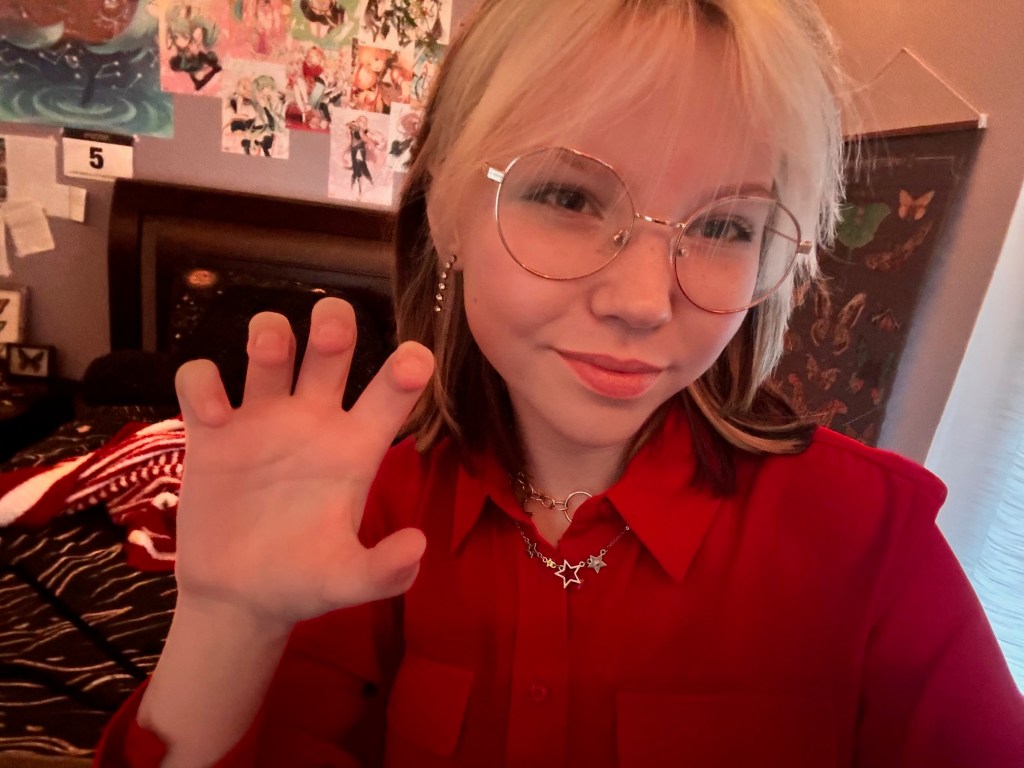
Hello! I’m Alli and I’m a major nerd, a title I use with pride. I am 14 and I turn 15 in October. I’m from Macon, Georgia and I attend the Academy of Classical Education. I am attending a camp at the University of Georgia for the first time. I am extremely drawn to a biology career and with the help of this camp I might be able to write an article of my own someday. I dabble in art; my sketchbook is normally filled with drawings of my latest interests (currently stuck on strawberry hats on animals).

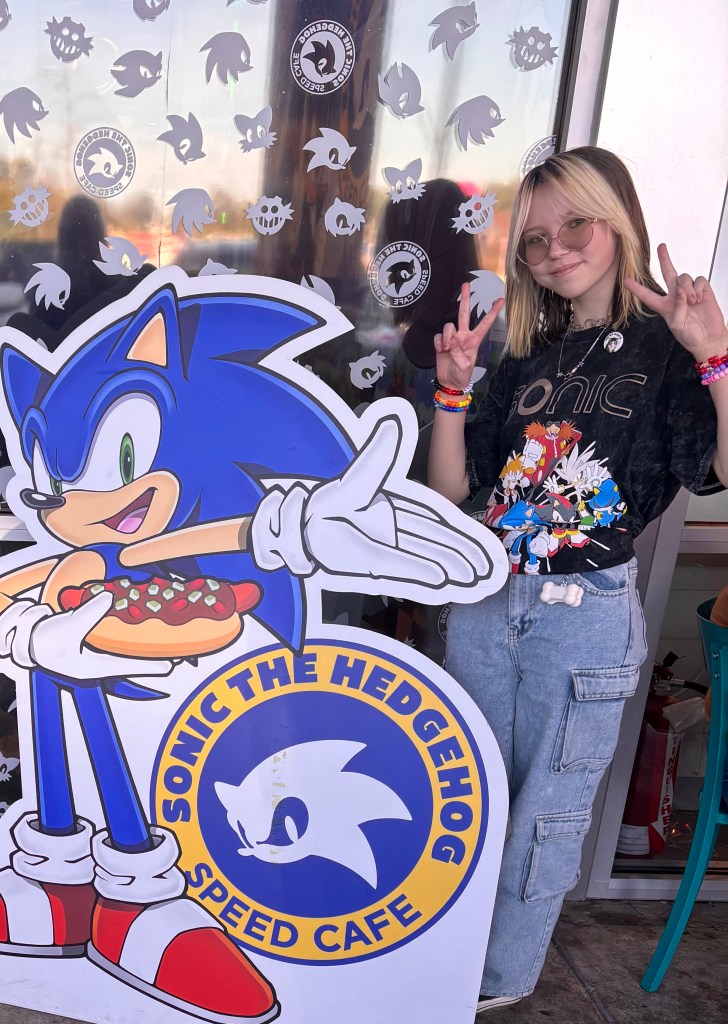
My interests influence me widely, and my friends are always there to listen to whatever new thing that’s on my mind. Although I’ve had an insect interest for about three years now, I can’t help but screech when I see a spider. I love watching animated shows such as anything with “Sonic,” “Steven Universe” or “Gravity Falls.” My obsession with plushies is great, and I always need to be restrained by someone or something, such as my chronic debt, from buying a new Sanrio plush. Cute things are all I dream of! I also spend my time studying art and learning new ways to improve my own. My favorite color is pink, but you’ll always catch me wearing dark or earthy colors. I love blending into nature and I feel at home when I go on runs in the woods. I’ll enjoy studying or watching any insects I see on the way, researching each one if I get the chance.

When I meet new people I am typically very awkward and I make horrible jokes, so I apologize in advance. I can talk for hours when I’m truly comfortable with my friends. My friends are some of my favorite people in the world, they inspire many of my actions and I wouldn’t be where I am without them.

I love finding out the uniqueness of everyone. Individuality is a feature I find to be the most important in a person, which is why I dislike many things regarded as ‘trendy.’ In my opinion, weird is a compliment that means you’re not afraid to show your true self. It’s truly special when you can click with someone else, but that shouldn’t take away your special spark. It’s important to never change who you are for anyone. If they don’t like you, someone else always will!