The difficult balance between being a “student” and “athlete”

by Finley Aldred
Mills Creek High School
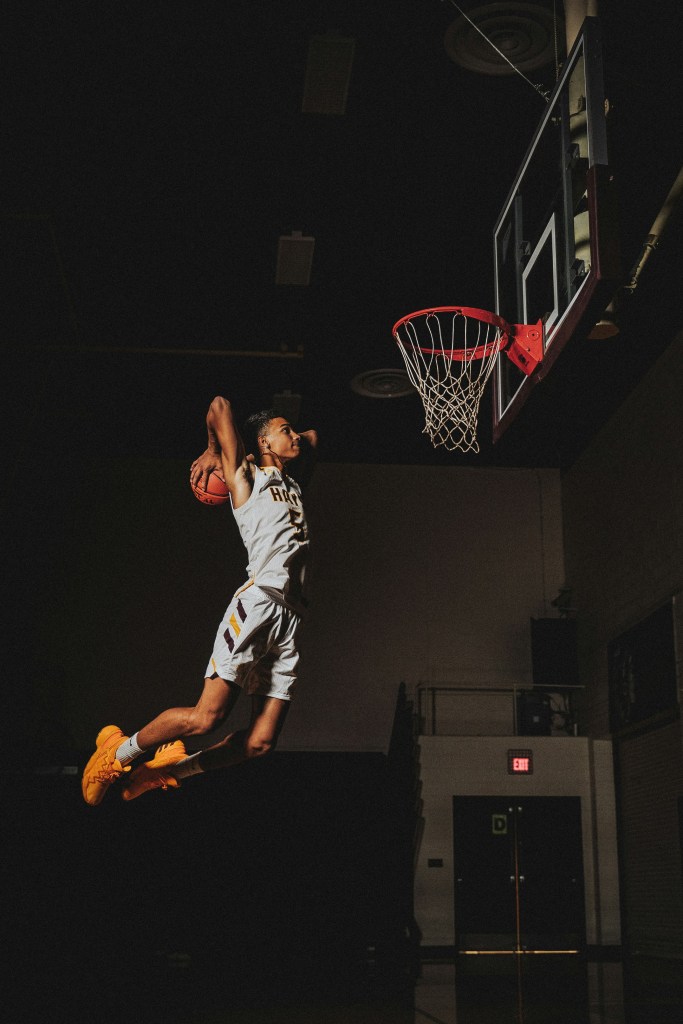
Photo by August Phlieger

Throughout high school each student goes through a balance of classes and extra curricular activities. With students, many reasons can be attributed to the increase of stress levels. The classes students choose whether its honors, Advanced Placement or AP and college prep. There are numerous clubs students can join according to their interests. To add on all of these factors sports are a major part of becoming involved in school. 

Student athletes have an additional responsibility to balance their academics as well as their athletic schedule.

“Almost everyday is a struggle to keep up with homework when you have six classes that all require study time and some even have homework. To add practice it’s crazy but swim meet nights are even worse because we have to leave for the pool at 4 p.m. and won’t get back until 11 p.m. so there isn’t much room for study time,” Madison Eck said.

For students it can be difficult finding time in their schedule to attend school, work in class on assignments and find a time to do their homework after practice. With most of the time available to do homework late at night after practice, it begins to impact athletes’ sleep schedules. The less sleep an athlete gets can cause an increase of stress, anxiety, depression and a decrease in athletic performance. 

“The AP classes I chose to take had a decent amount of workload, some days more than others of course. I knew sometimes it would be hard to balance school and track, but I also knew I had good time management skills so it wasn’t that difficult most of the time,” Ky’arra Whyte said.

There is also an added pressure on the athletes to be the best at their sport in order to get offers, scholarships and recruitment attention. The changing culture of athleticism has become increasingly competitive which puts an added stress on the athlete to strive to be the best. 

“I think the environment is different because there are a lot of new rules that are making it more difficult for high school athletes to get recruited. You will have some athletes who are focused more on athletics rather than academics so maybe they don’t see it as more stressful, but those students who are in high level programs could be adding more stress to the athletes,” Karmen Morrison said.

The issue of competitiveness between JV teams and Varsity also can become a concern.

“When I was trying out for soccer at my school, JV wasn’t given the same amount of fair treatment as Varsity. Even though I did have so much fun on the JV team, it could just get annoying at times. The coaches never said it deliberately but varsity will always be favored, especially if they think the players have a greater chance of going farther in their career,” Camryn Williams said.

With all the pressure added to athletes to perform and maintain a balanced schedule it can be difficult to overlook your mental well being while handling all the stress. It is recommended ever so often to take time and practice self care to make sure that the athlete is replenished and in better health to maintain a good performance. 
AI’s role in self-diagnosing: Is it reliable?

by Avika Anand
South Forsyth High School

Photo by Luca Sammarco on Pexels.com

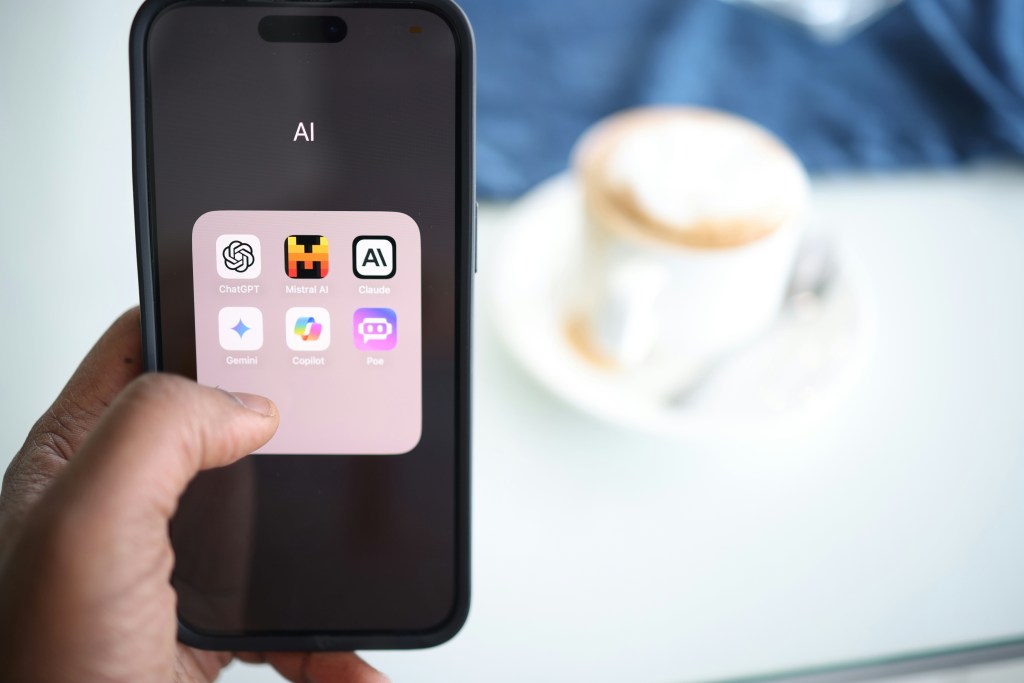
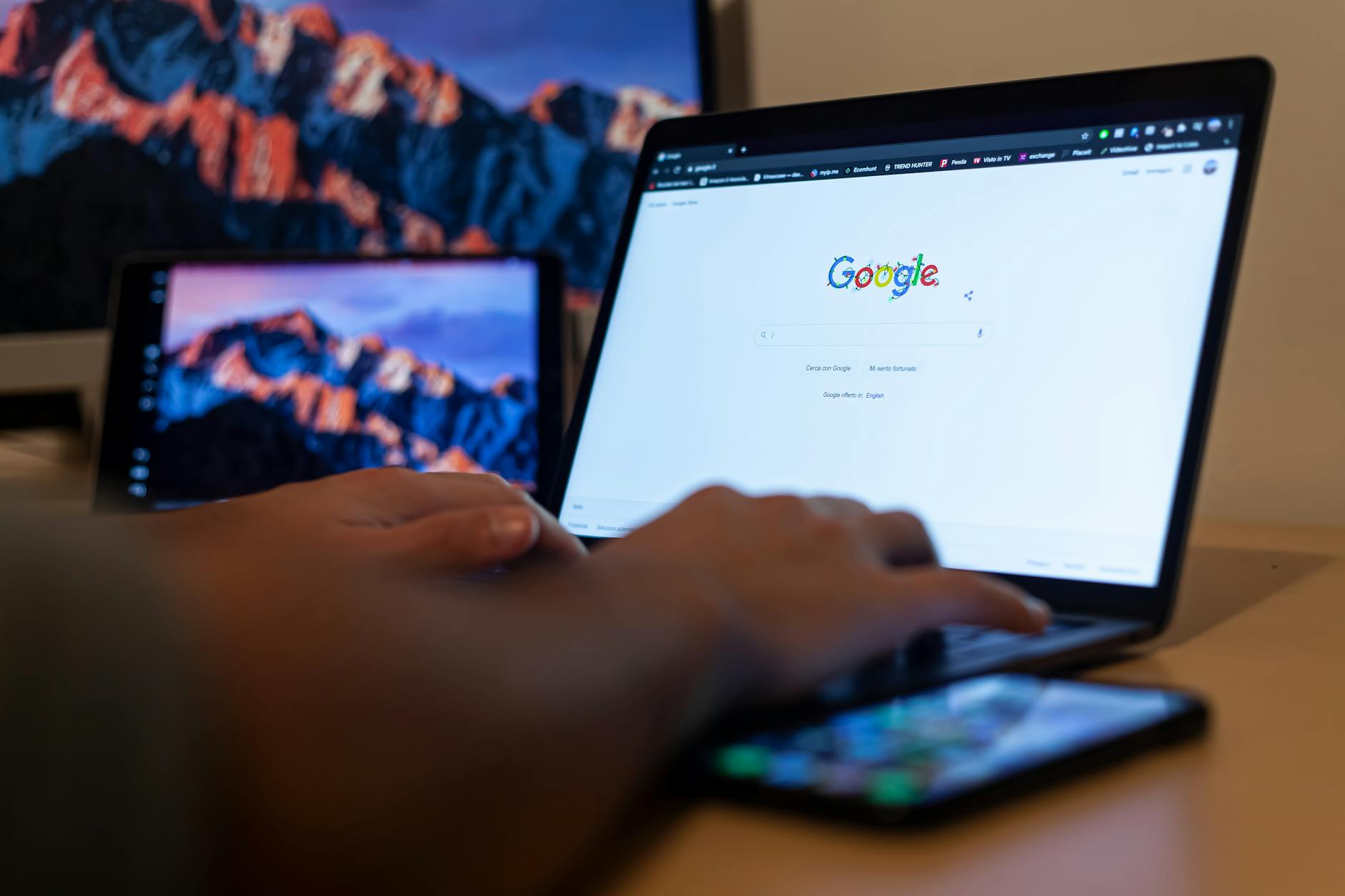
How often have you researched the symptoms of the “life-threatening disease” AI had diagnosed you with? You aren’t alone. The National Library of Medicine recorded that out of a sample of 476 people, 78.4% of people are willing to look to ChatGPT to diagnose themselves.

But is ChatGPT really a doctor? Can we trust a bot to dictate our medications and treatments? An exploratory study put Open AI to the test, assessing the accuracy of the diagnoses of various orthopedic diseases based on listed symptoms. It found that ChatGPT was able to diagnose some conditions with 100% accuracy while others were limited to less than 10%. Interestingly, as reported by a study for the Journal of Medical Internet Research, ChatGPT reported incorrect answers with unwavering confidence, making itself more believable and “reliable”. A study conducted in Canada found that only 31% of ChatGPT’s answers to a collection of medical questions derived from a medical licensing examination were correct and only 34% of answers were clear or understandable by the readers. An Australian study connects these “understandable” responses with the omission of critical information, leading to misunderstandings regarding the health of the user. Dr. Andrea Dabney, an OB/GYN based in Georgia says, “Sometimes the search engines are in the right ballpark for some ideas of what it can be. But I haven’t ever found that they’re specific. It’s a physical exam as well as getting an actual test done that helps seal the diagnosis.”

Another study tested the reliability of AI models to recommend healthcare providers “related” to the condition described by the user. ChatGPT, Google Bard, and Bing Chat showed significant bias when recommending practitioners. Not only were the doctors recommended primarily in metropolitan areas around the United States, but there was a tendency to avoid recommending female practitioners. Most of the practitioners were in academic medicine as well.

Other statistics report that AI tends to give advice rather than referrals. This practice can often lead users to blindly follow AI advice as there is no outside source recommended. Should AI utilize the prompt as a call-to-action for the user to seek medical attention while also providing a reliable and accessible source, the outcome of asking AI for medical advice would be significantly better.

Other situations, as reported by the Canadian study referred to earlier, involve AI assuring users that everything is okay when in reality, there is an underlying medical issue. This assurance often leads to users ignoring symptoms or deeming themselves paranoid when in reality, they could be getting treatment and clarity. With the abundance of time sensitive sicknesses, it is crucial that diagnosis occur as soon as possible to increase reversibility.

Upon the detection of symptoms or discomfort, contacting a licensed healthcare provider is crucial. However, when both AI resources and healthcare providers are consulted, there is a possibility for discrepancy. “It’s difficult to pull that away from them once they have it in their head until you have a longer discussion. And that even involves how much of a rapport you already have with that patient,” says Dr. Dabney. “Sometimes you really do have to do further workup to disprove to patients it’s not something else.” Still, healthcare providers such as Dr. Dabney and Dr. Kirpilani agree that it is always more beneficial to review AI’s response with a healthcare provider to either confirm or disprove diagnoses or assurances. Dr. Dabney adds, “as a clinician, you add other things in like [a patient’s] past medical history and their family history and a lot of other things that aren’t pulled in when they start Googling a symptom.”

“Make sure that you’re actually trying to get in with a health provider.”

A second voice and a second brain: The Use of AI In a Physician’s Office

As many know, the use of AI has expanded to many places of work including physician offices. In 2024, 66% of physicians reported that they used AI. There are many different ways that AI is used in the office from helping document visits notes.

Dr. Andrea Dabney is an MD Obstetrician and Gynecologist who works at Emory Healthcare. She was recently introduced to using AI in her office. 

“[We started using AI] I believe in our primary care offices and in the OB offices in early 2025,” Dabney said.

As of now, there is one main use of AI in her office. 

“It’s downloaded onto our phone and we press a record button when we go into the room, and it sets up and it starts recording everything that the patient and I say during the visit,” Dabney said. “So it’s truly called medical transcription. So it doesn’t diagnose, but it lists out your problems that are considered medically related.”

Along with the main use of AI in her office, there is a set back for some of them.

“The AI app is also downloaded onto your iPhone, and right now it’s only available on the iPhone so all providers don’t have this particular app because they don’t have an iPhone,” Dabney said. “So that is one hindrance.”

Like many AI platforms, this app is bound to make mistakes. These mistakes could potentially hinder the doctor from taking the time to do other tasks that they have to get done.

“I think the main mistake I’m noticing after having used it for a couple of months now is when I’m interviewing a patient and asking questions, it’s stating the patient said they have these complaints instead of the patient saying they agreed or denied that they had these symptoms,” Dabney said. “So you definitely have to read every one of your encounters because they can be wrong. Another concern is the patient may come in for what’s considered their wellness exam but they have complaints and so a patient doesn’t understand a complaint and a wellness exam aren’t the same thing and so when the patient goes into having all these different complaints the AI reconstructs your note into a complaint note instead of a wellness visit and you have to go back and re-create it and make it a wellness visit.”

With AI being introduced in the doctor’s office, what do the patients think? For many, AI isn’t familiar, so it can bring out many emotions in patients who don’t know much about the app.

“You announced that you’re using AI and it’s considered medical transcription and I’ve had an overwhelming majority that have said ‘oh cool,’ Dabney said. “But I did have one patient upset and thought that she had been recorded against her will. She wanted me to cancel it out and I told her it would be canceled out of her chart and I would go based on memory for the things.” that I  could remember. She said was very, very upset about it.  And these are patients of all age ranges.

According to Mobius MD physicians spend around ten hours weekly on administrative tasks. It is possible that this workload is stressful on many doctors. So, the use of AI platforms could be seen as more efficient.

Dr. Dabney has many thoughts on the use of AI in her office. She will continue to work and accurately document her patients and persevere through the flaws that the app holds.

“Although [AI app] has its problems, you have to recognize it for what it is,” Dabney said. For now, it’s a huge help because the human mind is not a recorder. It really does significantly change the amount of time that we’re having to spend on charting, which is a huge portion of your job making sure you get your paperwork in as accurately as possible.”

The appeal of the Bard, 500 years later

Centuries ago, a theatre in London showcased the many plays of one man, unknowingly reshaping English language and culture. In the 21st century, Shakespeare’s plays are still performed, read and studied. According to Oxford Scholastica Academy, modern audiences relate to these stories with the same vigor as those in the 16th century, despite the many years between them.

Early modern British literature professor Sujata Iyengar teaches the intricacies of Shakespeare at the University of Georgia, a topic that continues to warrant deep discussion.

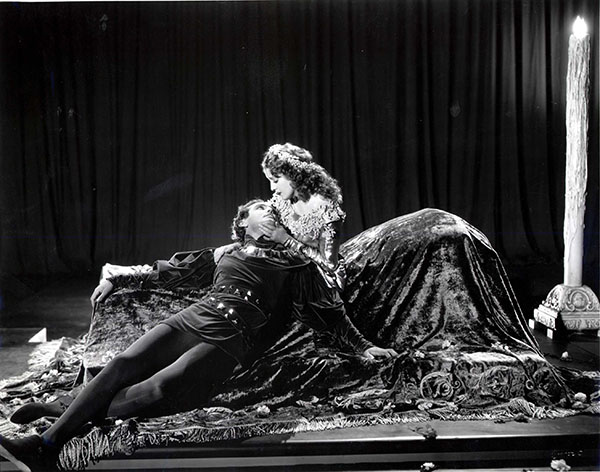
Leslie Howard and Norma Shearer in “Romeo and Juliet”, 1936.

“Reading classic literature is important to students, and general readers and citizens today, because literary texts and dramatic texts that have stood the test of time can usually offer us access—in heightened language—to heightened experience and a space to reflect upon those experiences and the challenges of living among other people and in a complex civilization,” Iyengar said. “And the difficulty of classic texts is what allows us that time and space to reflect.”

David Daniel, a Core Company member and Education Director at American Players Theatre, echoes this sentiment of the timelessness of classics.

“At the end of ‘Oedipus [Rex]’, the chorus says, we all suffer. Suffering comes to us all. And, you know, you’re thinking that’s written in 300, 400 BCE,” Daniel said. “Or there’s another poet about 300 AD in Japan. She wrote this great poem that says, ‘people tell me I should brush my hair, but I leave it messy, just like you left it’. Not only is it like, oh, that’s just a good poem, because someone today could have written that. But the fact that it was written so long ago, or in my case, in a different culture so long ago, it just connects me to something bigger than just me now. Shakespeare connects me to something bigger than me now.”

Despite these connections to humanity, many are reluctant to experience the complex world of Shakespearean literature.

“People don’t really find love poetry until they’re in love,” Daniel said. “Or people don’t listen to a breakup song until after they’ve broken up, and then they listen to the same song a hundred million times. It’s not that you are ready for everything at all times. But when something happens in your life, for good, for bad, for anything, there is stuff there that other humans have gone through. And when you connect with that, then your world opens up. It makes you bigger.”

Additionally, Shakespeare is a performance. It is meant to be watched, which makes reading the multi-layered plays more difficult than other classic texts.

“If you go see a play and you don’t understand what’s going on, that’s 110% our fault as actors,” Daniel said. “We’re bad actors. It’s not, you’re dumb because you don’t understand it, but because you’re watching bad actors. Because the job of the actor is to make it easier for you to understand and also pull you in so you’re connected with what’s going on.”

Actors attempt to convey the themes found within the works of Shakespeare and other classic artists.

“Why human beings fight with each other, so war and peace,” Iyengar said. “How and why we fall in love. Who we fall in love with, which is the greatest and most beautiful mystery, in many ways, of all. What we find sacred. How parents relate to children and how siblings relate to each other. How societies can progress to greater levels of happiness and fulfillment for everyone.”

When it comes to modern retellings of these stories, there are certain things that the adapters must keep in mind.

“How far can you adapt it without changing what you think is the essence of the original?” Iyengar said. “So what is it that that person has to do in order to keep it the same story? And do you care? Because it’s quite possible as an adapter that you decide, I don’t actually care about this from the original, but what I’m interested in is a different kind of, a different aspect of it… You’re going to pick a storyline to follow and things to streamline, characters to cut out. And you might choose to elaborate on certain things.”

After being performed thousands of times over hundreds of years, the heart of Shakespeare’s works remains the same. Even so, each performance brings a new vision to a new audience.

“When David Warner was doing Hamlet in the early 80s, it was the Falkland War,” Daniel said. “And there’s a passage in ‘Hamlet’ where Hamlet walks out and he talks to somebody called the Captain. And he asked the Captain, he says, ‘where are these troops going?’… and the Captain says, ‘they’re going to go fight for a little piece of earth that is not big enough to hold the bodies of the men who died fighting for it’… during the Falkland Wars, he said it to an audience whose sons and daughters, husbands and wives, mothers and fathers were in the Falkland War fighting and dying for some sheep islands.”

Even a single play could be interpreted a million different ways by a million different people.

“When Ben Kingsley did ‘Hamlet’, to be or not to be, there was a young female [Buzz Goodbody], she was… absolutely going to shake up the Shakespearean world, had all these great ideas of what Shakespeare could be… and a week before they opened, she took her own life,” Daniel said. “And so Ben Kingsley, playing Hamlet, walks out and he says, ‘to be or not to be’. And it was completely different. Not because the play was different, but because what had happened to those people was different. And that your audience had been united and hear these words from hundreds of years ago, and all of a sudden they make absolute sense.”

Shakespeare’s works are narratives that allow actors to convey true human emotion, something that continues to appeal to audiences today.

“There is something more that human beings strive for than just the obvious,” Daniel said. “There is a connection that we look for. Poetry, dance, music, that’s art… it reminds us that those things that we’re feeling right now are not just about today, but are absolutely positively human because they show up in every generation, every era, every century, every millennium.” 

How banning cell phones in schools affected teachers

On July 9, 2024 Virginia Governor Glenn Youngkin proposed banning cell phones in Virginia public schools starting January 1 2025. The goal of “cell phone-free education” was to promote healthier and more focused learning conditions but allowing students to have access to them at lunch.

Janet Balestino has been teaching at Virginia schools for 15 years. Through out her teaching career she always had access to her cell phone, preferably on her desk. “Without having to worry about my kids as much anymore, I still would check my messages from any clients and check for other important messages,” she says.

“Staying off of phones is hard for students, it’s normalized to have them on you at all times. It’s hard for both teachers and students because if they can’t be on it neither can I.”

With the ban coming in place January 1st which means as soon as we got back from winter break no watches, headphones, earbuds and phones. She expressed how having such a huge change mid year is hard for students to get used to. She believes it would’ve been more efficient to start the ban the first day of school. The first week of the ban she said she’s never had to contact as many parents or write so many referrals. She says it causes tension between her and the students. She hates having to get on her students so much about something that isn’t a huge problem but still has to follow the law.

“Having to come back after winter break and not being allowed to have any electronics it’s hard, it’s the middle of the year why do it now?”

For some student when working on computers makes them want to get on their phone more. Balestino says now she aims towards more lessons on paper. She also started doing game days on certain Fridays and days towards the end of semester. She said she loves to see her students take time off electronics and socialize more which was the goal of the ban.

“Doing worksheets means students are putting more focus into writing compared to typing with a phone in one hand, it also keeps the classroom quieter too, a better learning environment.”

As a marketing teacher making promotional videos have always been a big part of her class. If its videos for our school store or projects she allowed students to make videos on their phones. Filming videos on the Chromebook is hard. She says it’s going to be hard to find an alternative for the lesson for next year.

“I hate to see teachers also argue with other teachers about their views on cellphones, it’s such a non problem to other things that happen in the building. Phones are helpful if used in the right way. Like why are we chasing students down the halls if there’s an Airpod in their ear?”

After decreasing in test scores the governor made a change in our school system that did more affected more than just the students.

“I don’t think think that passing this worked in the way he wanted (Governor Glenn Youngkin) he thought it would be beneficial but started more behavioral issues in my personal opinion.”

Quelea quelea; Destructive Crop eating birds of Africa

As Georgians face the challenge of a new invasive species, retired wildlife biologist Jeff Jackson recalls dealing with a different disruptive species — cereal grain eating birds, the Quelea. These birds caused disruptions for farmers.

“They eat any kind of cereal grain, some of the ones in Africa that we saw ate pearl millet, sorghum, and rice,” Jackson said, adding that he and his wife, Phyllis, studied the bird for roughly six years in Chad and the Sudan,

Their task was to find a solution to the cereal grain eating birds, as local farmers took drastic measures to get rid of these birds in order to maintain a successful harvest.

“They come in swarms of locusts, thousands of birds will come and decimate a cereal crop,” Phyllis Jackson said.

In desperation, the local crop growers needed to find a solution. “They would keep the kids out of school, and they would have them in the field, scaring off the Quelea with noise makers,” Jeff Jackson said.

Since the kids needed to be in school or doing other tasks, this method did not suffice.

“The local people made a cover to go over the crops out of dune palm,” Phyllis Jackson said. “It’s pretty labor intensive, since they had to make one for every crop.”

Sadly, these were too time-intensive to make one for each of the thousands of the crops, and since they had to be hand-woven, this was another strike in the war against the Quelea.

“One of the things that was commonly done was use dangerous pesticides, and they would spray these by aircrafts over these colonies containing thousands of nests in a single trees,” Jeff Jackson said.

Although effective, this was extremely dangerous to humans and other mammals, like lions, who frequently were killed by these chemicals. “There was a pilot, of one of these spray planes. He got one of those pesticides on his arm, and he wiped it off not thinking about it,” Jeff Jackson said. “That evening he went to a local bar, to socialize with his friends, and he randomly keeled over and died.”

Over the years, the couple learned that the most effective way to deal with the birds was to harvest the crops before the birds came through and destroyed them. This was where Jeff and Phyllis came into play.

“There, some of the work Jeff did, was to figure out a type of rice, or sorghum, that the people liked, that tasted good, looked good, that would mature when the birds weren’t coming through,” Phyllis Jackson said. “They would harvest it quicker than the typical crop.”

These variations of crops did not not produce as much grain per as the typical ones.

Jeff and Phyllis’ work helped provide aid and neccesary knowledge to the people of Sudan and Chad.

Student Awareness and Stigma

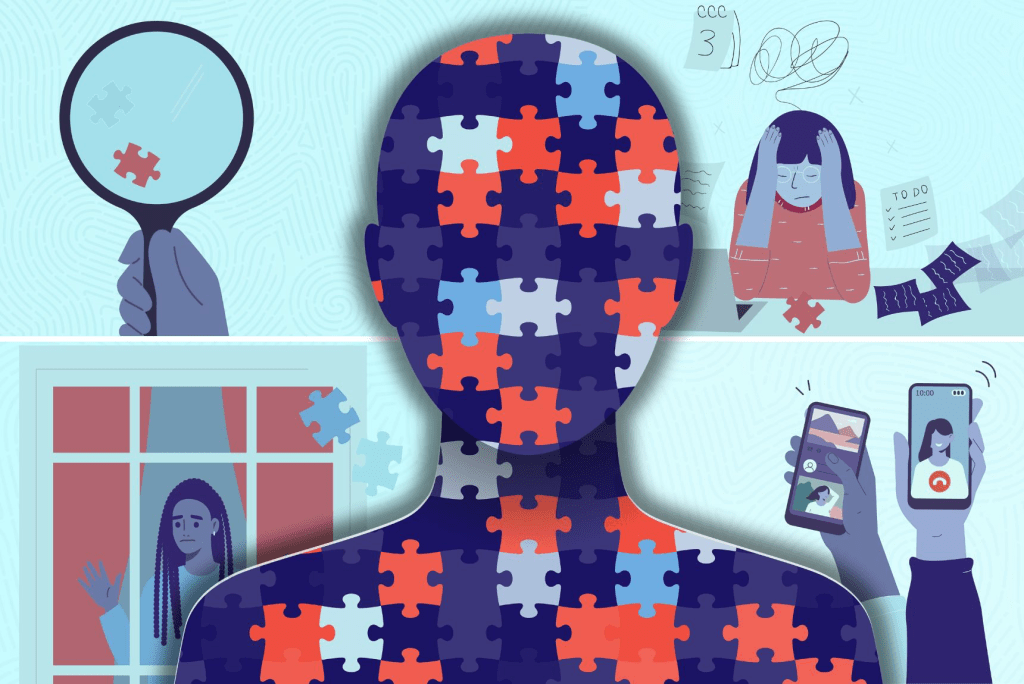
On the surface, college campuses buzz with energy – late-night study sessions, packed lecture halls and students chasing dreams with iced coffee in hand. But beneath that energy, many students are struggling with something less visible: their mental health. Anxiety, burnout and depression are increasingly common among college students (https://sph.umich.edu/news/2023posts/college-students-anxiety-depression-higher-than-ever-but-so-are-efforts-to-receive-care.html) , yet talking about those issues make some students uncomfortable and nervous. For many, the pressure to “have it all together” drowns out the need to ask for help.

Despite growing conversations around mental health, stigma remains a major barrier. Some students often feel that admitting they’re struggling could make them appear weak, dramatic or incapable of handling college life. 

“I felt like everyone else was thriving, so I kept pretending I was too,” said Natasha, a third – year biology major at Mercer University. 

This mindset – one that values toughness over vulnerability – can leave students isolated right when they need support the most.

Awareness of available mental health resources is another challenge. Many colleges and high schools offer counseling services, wellness centers or peer support groups but students often don’t know how to access them – or they assume the wait times are too long to bother. 

“I thought the counseling center was just for people in crisis,” Maggie, a high schooler at Northview High School, shared. “I didn’t know I could go just to talk.” 

Schools may host mental health events during midterms or finals, but that’s not always enough to change a culture of silence.

Students may benefit from more than just a flyer or a single awareness week. Ongoing, visible messaging from professors, resident assistants, and campus leaders can help reinforce that seeking help is a common and supported choice. Even when some teachers praise mental health as an important thing, some don’t realize they give more work than relaxation time.

“There are professors who preach that mental health is important and say you should take care of yourself, but then they say OK and you have a test in three days that is half your grade.” Naluchi, a senior in Mercer university, says. 

When faculty incorporates mental health resources into their syllabi or when student organizations engage in open discussions about emotional well-being, it communicates to students that their challenges are recognized. Even modest efforts – such as faculty highlighting office hours or promoting designated wellness days – can contribute meaningfully to a supportive academic environment. 

Breaking the stigma around mental health in college starts with honest conversations. Students are under pressure: managing school, jobs, relationships and identity – all at once. Minimizing or overlooking emotional challenges may influence the way support resources are accessed or perceived. 

“My school includes mental health and daily conversation, some weeks, which benefits the kids who are struggling in secret, and I think that’s what makes it stand out from all the schools that don’t.” Kerisha is a two-year psychology major from Mercer University. 

These outcomes may offer a broader perspective on what success in education can look like.

Dangerous Energy

A student anxiously watches the clock. The buzz from the exceptional amount of caffeine in their energy drink had turned into racing thoughts, jittery hands, and a tight feeling in their chest. 

According to  Centers for Disease Control and Prevention, up to half of adolescents  consume energy drinks at least once a week,  and a Civic Science  study shows the majority of energy drink consumers are teenagers and young adults.

“A lot of my friends drink energy drinks [and] I would say it’s a very big part of my morning routine to have an energy drink as well,” said Cedar Shoals high school sophomore Catherine Dennison.

Above: An infographic picturing popular energy drinks including Alani, Monster, RedBull and Celcius, respectively, are pictured. Graphic by Edie Ash.

With teenagers included in the majority of consumers of energy drinks, brands like Celcius and Alani Nu have taken further steps to appeal to their audience through flashy packaging as well as collabing with popular celebrities including Kim Kardashian, Megan Moroney, and Jake Paul

“There is always something being promoted to teenagers that is bad for them. I think they are incredibly glamourized,”said Athens Clarke County Pediatrician Carrie Kelly.  “They make the packaging so appealing. I think these collaborations are so influential . It’s completely understandable why [they] are influenced”

The energy drink craze has made an appearance all over popular social media apps like TikTok with hashtags including “#Energydrinklover” and “#Energydrinks” having hundreds of thousands of videos. 

“Energy drinks are on TikTok a lot” Dennison said. “When new flavors come out, people definitely post about it and a lot of teenagers are on TikTok, so it definitely influences them.”

While these drinks are known for offering aesthetic packaging and a quick boost of energy,   it’s important to read the labels before consuming your daily pick-me-up.

Many popular energy drinks including Celcius and Alani Nu contain up to twice The American Academy of Pediatric recommended daily limit of 100 milligrams- some reaching up to 250 milligrams. When consumed, Athens Clarke County Pediatrician Carrie Kelly warns consumers of the threats it may have on their health. 

“We want to avoid putting things like that into our bodies, especially for teenagers, as their bodies and brains are still developing and growing,” said Kelly. “Sleep is important for our development, our memory, our learning and anything that affects sleep can be really bad. As a pediatrician, I would say sleep is very important to help ourselves feel healthy and feel less anxiety.”

While flashy packaging and collaborations with popular celebrities can be appealing, The Franciscan Missionaries of Our Lady Health System offers a list of healthy alternatives including unsweetened tea, Hot or iced coffee and 100% fruit or vegetable juice to help consumers select a healthier drink.  

“The decisions you make now when your young are going to affect you when your older,” Dennison said. “So making those healthy decisions now will benefit you in the long run”

Story by Edie Ash

Fast fashion and its impact

According to an article in USA Today, fast fashion is slowing the growth of local businesses, keeping them from flourishing to their full potential.

When younger generations choose clothes, many look at cheap, but trendy choices. 

“Some fast fashion is good because if you need something quickly or if you need a bundle of something then you can order it quickly and cheaply,” said Saybel, a freshman in high school.

According to a UCLA sustainability study, fast fashion is where clothing manufacturers focus on mimicking and producing trendy clothes with poor materials, fast assembly time and low pay wages. Most of these clothes appeal to consumers however, due to social media pushing the trends and highlighting the cheap prices.

“I understand the convenience and why as many people buy it as they do,” Andrew Fritz, a resale store employee, said. “But it’s something that’s gonna get worse and worse the more common it gets.”

Many of these fast fashion prices are so low that local businesses cannot compete. Most small businesses use authentic materials and take a long time to design and eventually produce the clothing item. The time and materials small businesses use creates higher costs; if they lowered the purchase price, they would make no profit. 

With 92 million tons of textiles being wasted every year and 10% of carbon emissions coming from the fashion industry, it also hurts our environment to an extreme degree, according to a study by research firm McKinsey and Company. The less trendy clothes may still be wearable, but consumers want the newest and trendiest outfits so they throw away the old. Many donation centers and landfills are filled with discarded clothes.

“Global consumption of clothing has been exponentially increasing, and the fast fashion industry isn’t going away anytime soon. Since 2000, clothing sales have doubled from 100 to 200 billion units a year,” reports Earth.Org, an environmental news website. “At the same time, the average number of times an item was worn has decreased by 36% overall.”

The advantage that small businesses have over these large fast fashion brands is connection. The community can become close to the owners of these stores and in turn may be convinced to purchase more as support. Also, thrift stores are an excellent alternative to fast fashion stores. Most thrift stores are full of great finds that are still low-price. 

“I think it’s more of an emotional connection because you know you have people who are dedicated to you and actually care and believe in what you’re doing and it forms a relationship,” said a manager of a thrift store.

Negative Impacts of AI Use in Education 

Photo by Solen Feyissa on Unsplash

By: Jupiter Sousa
Sprayberry High School
Marietta,GA

AI has been increasingly dominating society as early as 1956 according to Dartmouth Summer Research Project on Artificial Intelligence.

AI has been proven to be a good tool to assist others in many aspects however, some abuse this technology by replacing creative writing with AI to cheat. NerdyNav confirms that 43% of college students use ChatGPT and/or other AI sources and 89% of those students use AI for homework assignments.

This reliance on AI to complete educational tasks has decreased critical thinking, IQ for youths and shortened attention spans. As this will not only affect this generation negatively, but future generations as well. Heavily relying on ChatGPT or AI overview can cause: under developed minds, conflict in problem solving, and lack of knowledge, which decreases a teacher’s ability to teach and students’ ability to learn essential information from textbooks, lectures or socialization that can expand their views.

“Writing is essentially thinking- if you’re not putting in thought, you’re not really learning,” said Braine Ash, a teacher at Clarke Central High School in Athens, Georgia. ” You are not building that skill when you make a computer write it for you.”

This dependence on AI won’t help you obtain the knowledge, which dramatically affects the education for youth in all aspects of learning: “A lot of these kids in math, they’ll take virtual school and will get these classes done in days, it’s not just English.” Mr. Ash says.

This not only impacts students, but also teachers and future generations as they’ll continue to depend on AI to get their high school or college degree, lowering the IQ average for future kids and academic expectations. Ash said teachers need to adjust their teaching styles to consider AI..

“Is it the end of civilization? I don’t think so, however English teachers are going to have to continue to think about how we teach with AI now.”

This is why many teachers are now prone to assign in class essays, so you cannot take it home.

Many debate on the topic of AI and its qualifications for “cheating.” For example, some teachers allow students to use AI to correct or help essay writings to perfect it in order to turn in. But Ash isn’t one of those teachers. “It’s a blurry line there, some teachers don’t have problems with a student doing that- I would not [agree with that] .”

Despite Ash agreeing on net positives of AI being able to assist people who struggle with certain subjects getting automatic feedback on how to correct their mistakes, he believes the negatives overpower the positives in AI. “There’s no denying that at this point, their growth during these years will dictate what kind of writers and readers they will become.”

Ash said that AI usage differs in adults to youth, as adults already have the knowledge to write and read while youth haven’t fully developed yet. Instead of learning that skill they rely on AI to do it for them, never growing or challenging themselves.

The rise of AI may come at the expense of a massive decline in future generations’ IQ. According to ie University, “As reliance on AI grows, experts warn that it could diminish critical-thinking skills and alter fundamental cognitive processes.”

This directs that society should work alongside AI, rather than use it as a replacement for human work. AI will continue to develop and grow within society and there’s no stopping it, but incorporating it in appropriate ways in everyday life will ensure AI has minimal impact on development.

“If you never go through something hard, you won’t grow,” Ash said, adding that if you challenge yourself, you build experience and life lessons that will help you evolve. “It’s not going away, we are going to have to teach our kids appropriate ways to do it, and hope they will.”