
by Madison McKenzie
Academy for Advanced Studies
McDonough, Georgia
With teenagers facing multiple mental health challenges, the plethora of testing required in many schools can be overwhelming for students.
Rudi McKenzie, a licensed clinical social worker who works primarily with women who suffer from depression and anxiety, said testing can cause high anxiety for students, especially for those already suffering from mental health issues.
“From a counseling standpoint, what I see with different clients is how test taking can impact identity, how you see yourself, the pressures that the society, your family, your friends and your close circle can put on you,” McKenzie says. “As far as, ‘If I don’t do well, how will they see me? If I don’t do well, they will see me as a failure.”
Christopher McKenzie, a former part time lecturer at Kennesaw State University in the Wellstar program, said he saw that anxiety firsthand with some students. “By testing the knowledge that they gain throughout the course of the semester, that anxiety comes up in various forms,” Christopher McKenzie said. “Whether it’s them saying they are not going to show up to class today, or saying that they are going to panic.”

In his time at Kennesaw, some students would have some sort of anxiety when it comes to testing, or just homework in general. This would be because students are afraid of failure and have the fear of disappointing, McKenzie said. This can lead to panic attacks, shortness of breath, chronic worry, difficulty concentrating, a lack of sleep, and mood changes. Food habits can also be impacted.
Depression also comes into play. This is because so many things are coming to one’s mind and so many things within an individual are changing as well. A lot of tests can really make or break somebody. If a person is a bad test taker, that is also more stress and anxiety on a student or even an adult that is trying to go back to school.
Rudi McKenzie would see some of these students in her practice.
“I think on average, If I had 20 students on my caseload, more than half have been impacted in some form mentally by testing, anxiety, or testing impacts,” she said.
There are healthy approaches to help a student succeed. Student services and counseling services are some ways that students can get the testing accommodations that they really need. Students that make what they are going through known to a trusted adult can most definitely get the help that they need. The other side is there are other students that are maybe afraid to ask for help because they don’t want to seem like they need somebody to depend on. They could also be afraid to speak out about how they feel because they are scared that they will get turned down.
“Address the thinking,” Christopher McKenzie said. “It is important to address irrational thoughts, and those irrational thoughts can really turn into a gambit of ideas and things like false beliefs. It is important to have a safe space to address any false belief, help create emotional wellness or well being.”
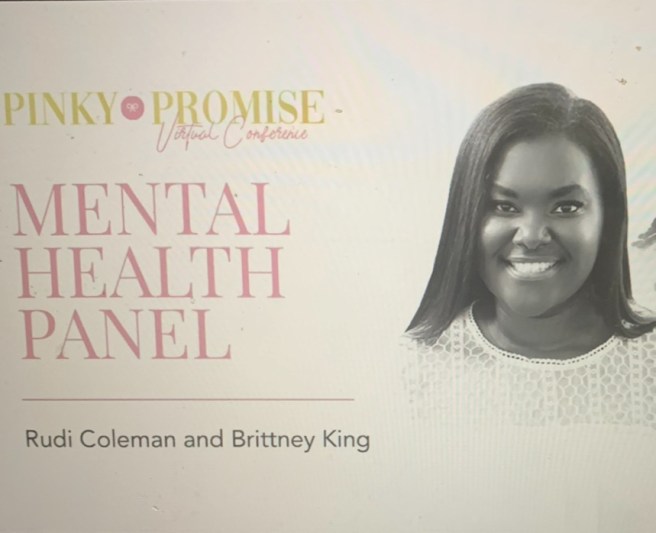
Rudi McKenzie said that recognizing that there are steps a student can take to improve their own mental health is critical to overcoming anxiety. “We are all responsible,” she said. What I’m thinking, what I’m going through is different than what you are thinking and going through. Even though we share similarities we are also two different people.”
Despite the differences between people, Rudi McKenzie said confiding in friends and others who share similar feelings can be helpful in overcoming anxiety.“Make sure that you have a community in which you can relate to or share things with, especially communicate with,” she said, adding that it’s important not to focus on comparing your experiences with others. “Comparison can be really dangerous because you can get in your head and think that you are the only one thinking something and that something is wrong with yourself.”
Acknowledging that your anxieties are natural is critical. “Remind yourself that your thoughts, your feelings, your emotions, are important and very meaningful.”
If you are experiencing mental health concerns, call 988.

 Rock Star Writers Blog