On the Other Hand

By: Finley Aldred

Have you ever been bothered by the right-handed desks at school? Annoyed at all the writing smudged on your hand? Had trouble using certain equipment like scissors, or can openers? Have you ever been drinking out of a mug and not able to see the design on the front while drinking? Gotten weird looks when you tell people what hand you write with? 

These are daily inconveniences that left-handed people such as myself run into while trying to navigate life on the outs.

Only 10% of the world is left-handed which shows that many people do not know what it is like to have challenges doing normal tasks that are much more difficult doing left-handed. But as a “lefty” myself I find myself being inconvenienced at school and items in my household not being accommodated for left-handed usage. 

As a kid, I never thought anything of it because my mom was also left handed. You never pay attention to it mainly because all you use your hands for is picking up toys and food. However, once I got into the public school district I began to see the issue of society catering to right- handed people. 

All throughout my years there has always been the struggles of desks. Most desks at my school have the chair attached to them by an armrest. That armrest just happens to be on the right-handed side. I find this inconvenient because while the rest of the class has no problem comfortably writing I have to be uncomfortable writing, smudging my paper without an arm rest. 

Spiral notebooks are also inconvenient because they are designed for right-handed use. They are often painful because as we write our hands are digging into the metal spiral. In the 20th century the invention of special notebooks for left-handed people were created. However because the consumer population of left-handed people is so low, they are not as commonly available and known to the public.

Another issue is the social aspect of being left-handed. Since it is so rare people are often always surprised and you can be looked at differently because of it. A few of my friends find me unusual or strange for how I manage living left-handed, but trust me it’s not easy or cool. In some cultures it can be seen as having a negative connotation. It can be seen that parents force their kids to write with their right hand because it is seen as more socially acceptable.

Even now I always get surprised when I meet another left-handed person because it is so uncommon. It is nice to be able to have a conversation with someone who is like me and experiences all of the same inconveniences in our day-to-day life. 

Being left-handed has given me plenty of frustrations and inconveniences in my life, but I feel like it has also made up a part of who I am as an individual. It makes me feel unique and it is always a conversation starter.

To all the left-handed people, just know you are not alone in the annoyance of daily life. There is a community of people who share the same experiences as us.

How Do Tests Affect The Mental Health Of Students?

by Madison McKenzie
Academy for Advanced Studies
McDonough, Georgia

With teenagers facing multiple mental health challenges, the plethora of testing required in many schools can be overwhelming for  students. 

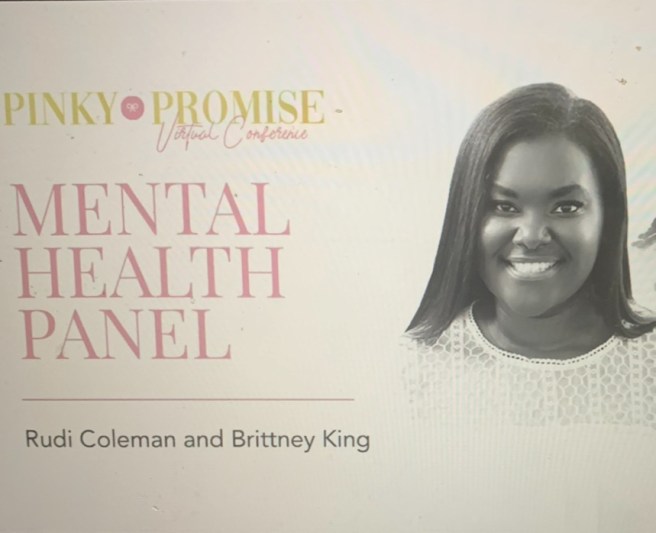
Rudi McKenzie, a licensed clinical social worker who works primarily with women who suffer from depression and anxiety, said testing can cause high anxiety for students, especially for those already suffering from mental health issues.

“From a counseling standpoint, what I see with different clients is how test taking can impact identity, how you see yourself, the pressures that the society, your family, your friends and your close circle can put on you,” McKenzie says. “As far as, ‘If I don’t do well, how will they see me? If I don’t do well, they will see me as a failure.” 

Christopher McKenzie, a former part time lecturer at Kennesaw State University in the Wellstar program, said he saw that anxiety firsthand with some students. “By testing the knowledge that they gain throughout the course of the semester, that anxiety comes up in various forms,” Christopher McKenzie said. “Whether it’s them saying they are not going to show up to class today, or saying that they are going to panic.” 

Christopher McKenzie, a former lecturer at Kennesaw State University, noticed that some of his students struggled with test anxiety.

In his time at Kennesaw, some students would have some sort of anxiety when it comes to testing, or just homework in general. This would be because students are afraid of failure and have the fear of disappointing, McKenzie said. This can lead to panic attacks, shortness of breath, chronic worry, difficulty concentrating, a lack of sleep, and mood changes. Food habits can also be impacted. 

Depression also comes into play. This is because so many things are coming to one’s mind and so many things within an individual  are changing as well. A lot of tests can really make or break somebody. If a person is a bad test taker, that is also more stress and anxiety on a student or even an adult that is trying to go back to school. 

Rudi McKenzie would see some of these students in her practice.

“I think on average, If I had 20 students on my caseload, more than half have been impacted in some form mentally by testing, anxiety, or testing impacts,” she said.

There are healthy approaches to help a student succeed. Student services and counseling services are some ways that students can get the testing accommodations that they really need. Students that make what they are going through known to a trusted adult can most definitely get the help that they need. The other side is there are other students that are maybe afraid to ask for help because they don’t want to seem like they need somebody to depend on. They could also be afraid to speak out about how they feel because they are scared that they will get turned down. 

“Address the thinking,” Christopher McKenzie said. “It is important to address irrational thoughts, and those irrational thoughts can really turn into a gambit of ideas and things like false beliefs. It is important to have a safe space to address any false belief, help create emotional wellness or well being.” 

Rudi Coleman, a licensed counselor, said that people should be aware of how anxiety impacts them.

Rudi McKenzie said that recognizing that there are steps a student can take to improve their own mental health is critical to overcoming anxiety. “We are all responsible,” she said. What I’m thinking, what I’m going through is different than what you are thinking and going through. Even though we share similarities we are also two different people.” 

Despite the differences between people, Rudi McKenzie said confiding in friends and others who share similar feelings can be helpful in overcoming anxiety.“Make sure that you have a community in which you can relate to or share things with, especially communicate with,” she said, adding that it’s important not to focus on comparing your experiences with others. “Comparison can be really dangerous because you can get in your head and think that you are the only one thinking something and that something is wrong with yourself.” 

Acknowledging that your anxieties are natural is critical. “Remind yourself that your thoughts, your feelings, your emotions, are important and very meaningful.”

If you are experiencing mental health concerns, call 988.

The Handmaid’s Tale: A glance into the future

The Handmaid’s Tale is a fictional piece of writing about a dystopian society where men control women’s choices of fertility. It’s feared that in the developing world, it’s slowly coming true.

A handmaid in the story was declared brain dead after losing too much blood, but she was pregnant at the time. In the fictional society, women were used to produce children and nothing else. So, they kept the handmaid alive as a human incubator until the child was developed enough to be born through a cesarean section and then the handmaid was finally allowed to die.

Meanwhile, this story happened right in my home state of Georgia. Adriana Smith is a 31-year-old woman who had been having headaches, but received medical attention for the issue. The next day, she was unable to breathe and her boyfriend called 911. Emory University Hospital reported that she had blood clots and she was brain-dead. At this time, she was eight weeks pregnant. 

Georgia’s abortion law is that after six weeks or when a fetal heartbeat is heard, an abortion cannot be performed. There are some exceptions, such as sexual abuse or incest. However, a police report must be filed before they have the abortion. They have 20 weeks to perform the abortion, but it is still very early on in pregnancy. Many women don’t realize that they’re six weeks pregnant until their menstrual cycle doesn’t repeat. By the time most women realize, it’s too late to get a legal abortion. Some women, in fear of being persecuted, take abortion into their own hands. One woman attempted an abortion herself by taking a lethal amount of painkillers, and she didn’t get medical help because of her fear of being jailed. In Ohio, they have a similar six week ban; a 10-year-old had gone to get an abortion, but she was denied due to being six weeks and three days pregnant. Many women who seek abortions don’t have the resources to take care of a child or it’s too dangerous for them to continue with the pregnancy.

As a 14-year-old girl, this is terrifying to grow up into. When I listen to the women in my family berate these women who wish to not have children, it’s appalling. Victims of sexual abuse are overshadowed and told that they have more grace with a 20 week period. Not everyone has the resources to file a police report or to find out about the pregnancy early on. It sickens me even further when I hear that it is always the woman’s fault. All we can do is protest and fight for the rights that we deserve instead of allowing state lawmakers to control when and how we can get abortions. 

When a fictional dystopian society slowly starts to become real, it’s bone chilling. I believe that women should have the rights to their own bodies instead of being told what to do.

Opinion Story

I’m not a politician or a policy expert; however, I’m someone who believes that no one in this country should have to suffer or die because they can’t afford to see a doctor. It’s simple: healthcare should be a universal right in the United States.

I’ve watched people I care about delay treatment because they didn’t have insurance. I’ve seen people on the news refuse medication, avoid emergency rooms, and live with chronic pain, all because the cost of care was too high. These are not rare experiences; they are everyday realities for millions of Americans. A 2022 survey found that 22% of Americans have delayed seeking healthcare due to the associated costs.

Other countries, who have fewer resources, have figured this out. Universal healthcare systems across Europe, Canada and beyond don’t bankrupt their citizens for getting sick. They don’t link health coverage to employment. They treat healthcare as a public good, a human right, not a profit machine. Their people are healthier while the citizens of The United States deteriorate. They worry less about whether they can afford to get the help they need.

Opponents often say it would cost too much, but we already spend more than any other developed country on healthcare—by far—and get worse outcomes. The real cost is in the state of affairs: people avoiding doctors, diseases going untreated, lives cut short. We pay for this every day with our money and with our humanity.

I understand change isn’t easy, but it’s frustrating to hear that universal healthcare is unrealistic. What’s unrealistic is continuing down this path, where health is treated like a luxury and insurance companies dictate care.

Health is a human right, and whether one gets treatment shouldn’t be determined by how much money they have. More importantly, care should be determined by doctors who are invested in the health of their patients, not insurance companies whose sole purpose is to make money.

Joe Dennis: More Than Regular Inspiration

Joe Dennis is a professor at Piedmont University. He is a former journalist who writes when he isn’t busy attending to his students. Additionally, he has a new found love for cooking and a big Kesha fan. On days where he wants to “dominate the day” he’ll play “Blow’. If he is in his “feels” he will listen to “Praying’ due to the heartfelt touch it leaves on him. He last mentions a song he really likes called “Raising Hell”, which is a song about standing up for your rights.

“She’s someone who I feel is very inspiring because of her history.” He says “She has really overcome a lot in her life, and she’s persevered.”

Joe takes pride in his Filipino culture by cooking some of his favorite cultural dishes. During the pandemic as all of our bored minds did, Dennis wanted to resurrect some of the Filipino dishes he cherished growing up. He’s made dishes like coconut adobo (a stew or braise of meat), lumpia(fried spring rolls), and pancit (a variety of noodle dishes). Joe’s background being Filipino is not only an inspiration to him but his kids, specifically his eldest son, Jaydon.

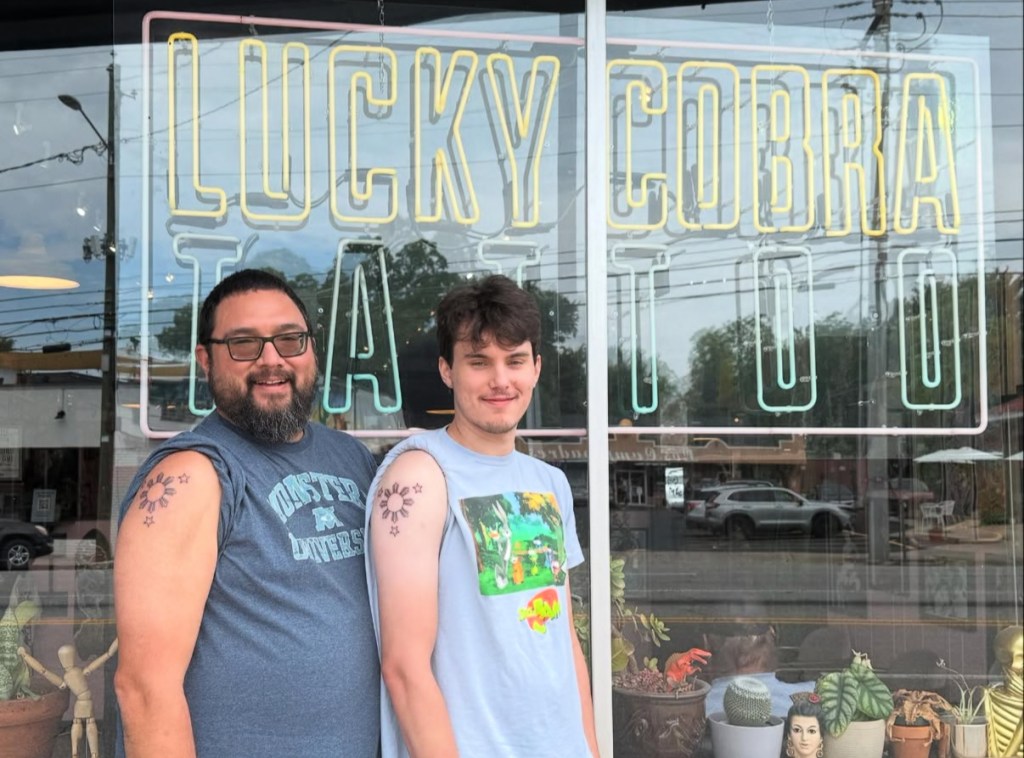
“I’ve gone 48 years in my life without a tattoo, and on my son’s 21st birthday, we got matching tattoos” Joe said.”That was maybe one of the most meaningful things my kids have ever done”.

Joe’s kids aren’t the only children he inspires. Being a teacher at Piedmont University for 10 years, he has been a supportive professor to all of his students, even a safe space.

“When students are struggling I want them to know that there’s someone there for them.”

With the vastly diverse students Joe teaches, his students come to him for comfort during tough times. Joe speaks on the morning after the election and how his students reacted.

“I had students in my office, I had an openly bi-sexual student, illegal immigrant, a feminist, African American, and they were all just devastated.” He says. “And they were waiting for… me.”

Joe speaks on not really having a safe space during his years in k-12. Catholic schooling wasn’t very inviting to mental health as Joe would describe it. Dennis reveals that he grew up with severe depression that was not diagnosed because it wasn’t believe in by his parents or teachers.

Someone who is such an inspiration to others must have inspiration on their own. The knowledge that Joe does never leaves his mind as soon as it hits the paper (or the keyboard). Joe has written many stories, but one important one was a local judge he interviewed who needed a liver transplant. He was able to complete five stories on the judge and update the decline of him. Unfortunately, he died before he could get a transplant.

“I’ll never forget the day he died and I actually went and became an organ donor myself. It was no reason for this man to die.”

Regular journalist don’t change their lifestyles due to the people they met, and Joe is far from regular. We need more people like Joe, a father, a empath, a man of culture, and an educator.

From Athlete to Advocate

Florida State and University of Georgia graduate Karmen Morrison uses her skills in the communications and journalism industry and being a graduate assistant. Morrison grew up in Jacksonville, Florida playing basketball, volleyball and flag football throughout high school.

“What drew me from sports to journalism? When I was in high school, I was asked to do a lot of interviews about school and sports. I was in an early college program, so people were asking me a lot about that. I ended up being the Female Athlete of the Year of my city. So I did a few different interviews for that, and I had fun doing it. I was the interviewee, obviously, but I enjoyed it. And I was like, I think I could probably do this. So that’s where I got my start. ”

In high school being an involved student athlete, Morrison said she saw the difference between men’s and women’s sports quickly.

When going to Florida State majoring in media communications studies, she used her social media platforms to advocate for women’s sports. With women’s sports on the rise right now, it’s important to see other women and previous athletes show support. Female athletes deal with more pressures than men as professionals. For example,

when you’re a woman people will criticize your looks, skill, background, race and sexuality.

“I’m on social media, so I share my opinions,” Morrison said, adding that one interview she conducted was really powerful to her. “I got to talk to Lonnie Alameda. She’s their head softball coach, very, very renowned coach. And this was following a very late game. So I asked her, what’s your opinion on you guys playing really late? And she was very open, honest, blunt about it. It’s probably one of my favorite interviews I’ve done. She spoke about a lot of the things that could change with the Women’s College World Series, and so I included that stuff in my package.”

Morrison expresses herself through sports journalism and takes pride in women’s sports, whether it’s on social media, the stories she does, or just little quotes. Morrison mentioned that tennis is one of the only sports to pay women and men equally, at least in the majors. She thinks it’s important, but just a small step.

Morrison believes no matter race, age, or gender, representation matters. Even though she calls herself a rookie she likes to share what she knows with younger people to help them become better than what she is.

“I think for me, one thing that irritated me, is we had a good football team when I was there, and they would always get free shirts. But we were districts champs year after year, and I’m like, why we aren’t we getting free shirts? What’s going on?” This is one example of how something simple can make a difference. Looking beyond the sport, it’s the principle of it not being equal for the girls and boys teams.

“And I think for me, representation matters. Obviously, I’m a black woman, so you got to be able to reach back and show little girls, even little boys, and show them what’s possible. I think it’s really about representation at the end of the day.”

Karmen Morrison

Karmen Morrison is a multifaceted journalist and graduate at UGA, and is an active supporter of equality of women’s sports. She continues to advocate by being vocal and telling stories to inspire youth and be that representation for others via social media.  

“I did this one story about women and coaching…. and spoke about a lot of things that could change with the Women’s College World Series.”  

Morrison believes in the importance of women’s sports that still stands now: “Tennis is one of the only sports that the men and women professional players get equal pay” she said, adding that this highlights that sexism continues to present itself today. 

This results on her reporting on women’s issues in sports and yearning for change. 

Karmen’s background in sports in her Florida hometown inspired her to follow journalism in college and advocate for others. “When I was in high school, I was asked to do a lot of interviews,” she said, adding that this exposed her to the media. “The Female Athletes of the year of my city”.  

This experience contributed to discovering her interests after a long time of being confused about her future career, which made her find her voice after being stuck in the between. 

Karmen shared her firsthand experience being discriminated against as the boys football team would get access to free shirts consistently. Meanwhile, her team wouldn’t get freebies despite being district champs every year. “That’s one thing that irritated me.” 

Karmen said she loves doing interviews “I’m not going to do a story if I’m not interested in it.” This exposes the love she feels for telling stories on women’s sports and her passion for getting all perspectives to impact others and step forward to change for the better. She’s eager to share those stories with the world. 

Just Enough of Joe Dennis

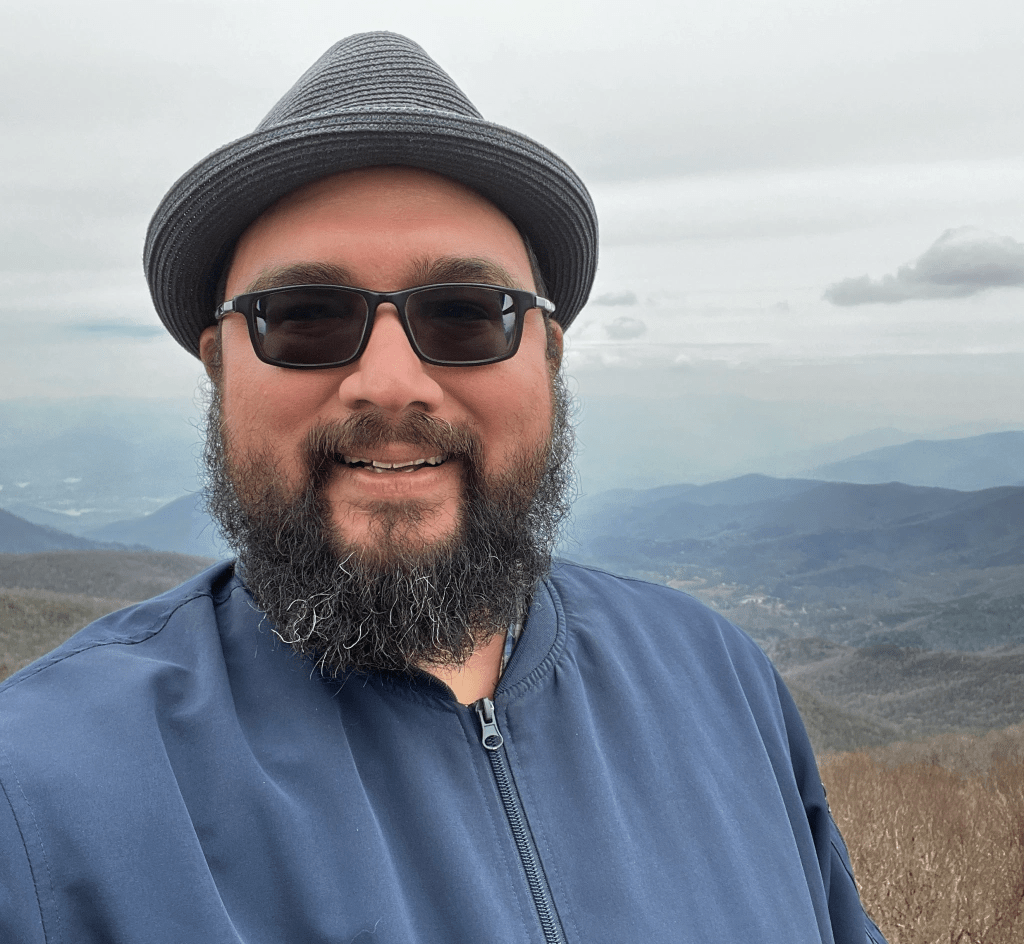
In between all of the silly fedoras, there is journalist Joe Dennis. His experiences within his culture have helped him shape him who he is today.

”When someone sneezes, you throw a party,” Dennis said. “Family gatherings are everything [In Filipino households].”

Dennis grew up in Chicago. During his youth, one of the ways his family expressed their culture was through food. He faced hardships, such as discrimination, as a child. Regardless of those hardships faced during his childhood, he’s proud of his heritage and continues to celebrate his heritage with his family through different traditions today.

While growing up, there were many different communities of different cultures. But the community he grew up in was predominately one race, and his family was Filipino. He has written opinion columns culture from a perspective of being some of the only people of color in his neighborhood.

“But I do think that I have written stuff in the past from a perspective of growing up as someone who was different,” Dennis said. “I mean, it was very segregated like that. And we lived in a white neighborhood.”

Throughout his time in Chicago during his youth, he faced the unimaginable.

“And even growing up in the 80s, I was discriminated against a lot, interestingly,” Dennis said. “People thinking I was Mexican and calling me [slur] It’s really hard. How do you deal with that when someone is yelling a racial thing at you that isn’t even applicable to you? It’s kind of like, what?”

Regardless of the adversities in his childhood, he continued displaying his culture with his family through cooking.

 “During the pandemic, I really got into cooking and trying to resurrect some of the Filipino dishes that I grew up eating. And now I’m pretty darn good at it, cooking Filipino food. I cook a coconut adobo,” Dennis said. “When I was trying to get the recipes from my mom, my mom, of course, nothing was ever written down for her. So I’m like, mom, okay, so how much soy sauce do I put in? She’s like, enough. I’m like, how much is enough? Enough. So I really had to kind of figure it out.”

Today, Joe Dennis continues to share the meaningfulness of being Filipino with his son. Showing how he takes pride in being Filipino and his culture

“And on my son’s [Jaydon] 21st birthday, we got matching tattoos,” Dennis said. “So this is the tattoos that we both got. And that is the Filipino flag has a sun and three stars around it. So we got those matching tattoos. So when my son asked me, he said, we should do this. That was maybe one of the most meaningful things my kids, any of my kids have ever said because it was totally unexpected.”

Although Joe faced adversities during his childhood growing up in Chicago, he has continued to embrace his culture. Throughout his time being a journalist and professor, he has made it known for his students apart of different groups that he is there for them.

“But the day after the election, I had, and I write this in the column, I had students in my office. I had an openly bisexual student. I had an illegal immigrant in my office. I had a feminist, basically a self-identified feminist in my office. And I had someone who was severe like anxiety and mental disabilities in my office and an African-American student. And they were all, they just all were devastated, ” Dennis said. “They just needed someone to talk to. They just needed someone to vent, right? They needed to know they weren’t alone, that I was there and people are there to support them.”

Karmen Morrison: Two Sides of the Court

By: Finley Aldred

Growing up in Jacksonville, Florida, Karmen Morrison participated in numerous sports at Riverside High School. Morrison played basketball, volleyball and flag football. This provided many opportunities to gain recognition for her athletic abilities. She was awarded Female Athlete of the Year in her hometown of Florida. This provided an insight into a possible future for her.

“I had to do a lot of interviews and I had fun doing it,” Morrison said. “Obviously, I was the interviewee, but I enjoyed it. There were a couple of radio station interviews and I realized I think I can do this. That’s where I got my start.”

Before she attended UGA, Morrison studied at FSU and got her bachelor’s degree in communication and media studies. It allowed her to gain experience in multimedia journalism.

“I did a story about women in coaching that I think I did a good job of when I did my undergrad at Florida State. I got to talk about Lonni Alameda, she’s their head softball coach, a very renowned women’s softball coach. This was following the year they had a very late game, which ended at 2 a.m., so I was like, “Let me see if she will talk about it.”

“So I asked her opinion on playing late, and she was very blunt and honest about it, probably one of my favorite interviews. She spoke about a lot of issues in women’s sports, such as the College World Series.”

Morrison prides herself on being a women’s sports enthusiast. She tries to include her opinions and support on social media and in her stories.

“It’s all about equality. For example, tennis is the only sport where men’s and women’s professional sports get paid equally.”

One of her motives for her career is to be an inspiration for younger generations and to be a role model for people who have the same dream.

“You have to be able to reach back and show little girls and boys to uplift them and show them that everything is possible. Really, it’s about representation.”

Joe Dennis’ path to become an “enemy of the american of the American people”

Joe Dennis grew up on south side of Chicago in a Filipino household, where he was discriminated on because he was believed to be Mexican by his white neighbors.

“People thinking I’m Mexican, how do you deal with people yelling slurs at you without them even being applicable to you?” Dennis says while speaking about the prejudice.

Joe is now the department chair at Piedmont University where he teaches his students podcasting and necessary journalism strategies to have a successful career. One of the main reasons he continued pursuing his passion for writing and journalism is due to his former mentor Conrad Fink.

“He was a hardcore military veteran type of guy.” Joe recalls. “He believed in me, he believed in my writing like no other had. If this guy believes in me, than I really should believe in myself.”

When Joe felt doubt about his capability to be a good writer, he could always count on encouragement from Conrad. He still tries to live up to Conrad to this day.

Although he loves journalism, there is always critique that comes with the profession.

Dennis said that his most critiqued article was a column he wrote about the difficulty to hide the truth about the legitimacy of Santa. He received a lot of backlash that his son was too old to believe in Saint Nick, or that he shouldn’t be living in a fairy tale world.

“You never know what’s gonna click with people.” Joe said in response to the critics on what is supposed to be a comedic article.

Finding Joe in a crowd is as simple as finding the man wearing a fedora. This fashion statement originated from a work trip in New York city.

“I was with a friend, and I had kind of been looking for my thing, fashion wise, and this person goes at a fedora stand, ‘hey you would look great in a fedora,’ and I’m like right, they’re just trying to sell me something, and I tried it on, and my friend who was with me goes, you actually look good in a fedora, you could rock the fedora Joe and I’m like, well I trust you. So I went and I got the fedora, like this is Joe’s thing now.”

Joe Dennis now owns six fedoras, mainly tending to the hot Georgia weather, wearing fedoras with the style of a straw hat.

Although he isn’t an active writer Joe still makes a large impact teaching at Piedmont University.

“The day after the election, I had students in my office, I had an openly bisexual student, an illegal immigrant, and a self-identified feminist, a student dealing with anxiety and an African-American student, and they were all devastated, and they were waiting for me, like ‘Joe what are we going to do’ and they needed someone to talk to, someone to vent and make them feel like they’re not alone.”